
Set in the small town of Twillford, Dressmaker puts players in the role of a newly arrived tailor running the area's only clothing shop. The local duke has recently died, creating a sudden influx of customers who need custom outfits to make an impression at his funeral. The PC game was co-designed by an experienced dressmaker and blends relaxed design mechanics with the financial pressures of running a business.
Players must balance artistic choices with strict budgets and customer demands. Succeeding in the game unlocks new styles, accessories, and increasingly complex commissions that drive the story forward.
What happened
The game begins when a woman named Rose visits your shop after seeing an advertisement in the Town Herald newspaper. Your first task is to help the local librarian with a new commission for 200 gold, which serves as the tutorial. This involves measuring the client's bust, waist, and hips to prepare a mannequin and meet specific stat requirements like a Professional aesthetic of 40.
Once a client shares their style preferences, players open a sketchbook to draft a pattern using pencils and fabric swatches. Customers often have specific and sometimes contradictory requests, such as needing an outfit that is practical for outdoor work or suitably respectful for a funeral while still catching the eye of wealthy relatives.
After drafting the pattern, players purchase necessary fabrics and accessories from suppliers like the International Emporium, keeping a close eye on costs. Different materials carry specific tags and stats, meaning expensive ivory velvet might not suit a tight budget for a practical outdoor outfit, whereas black or brown wool pinstripe might fit a professional brief.
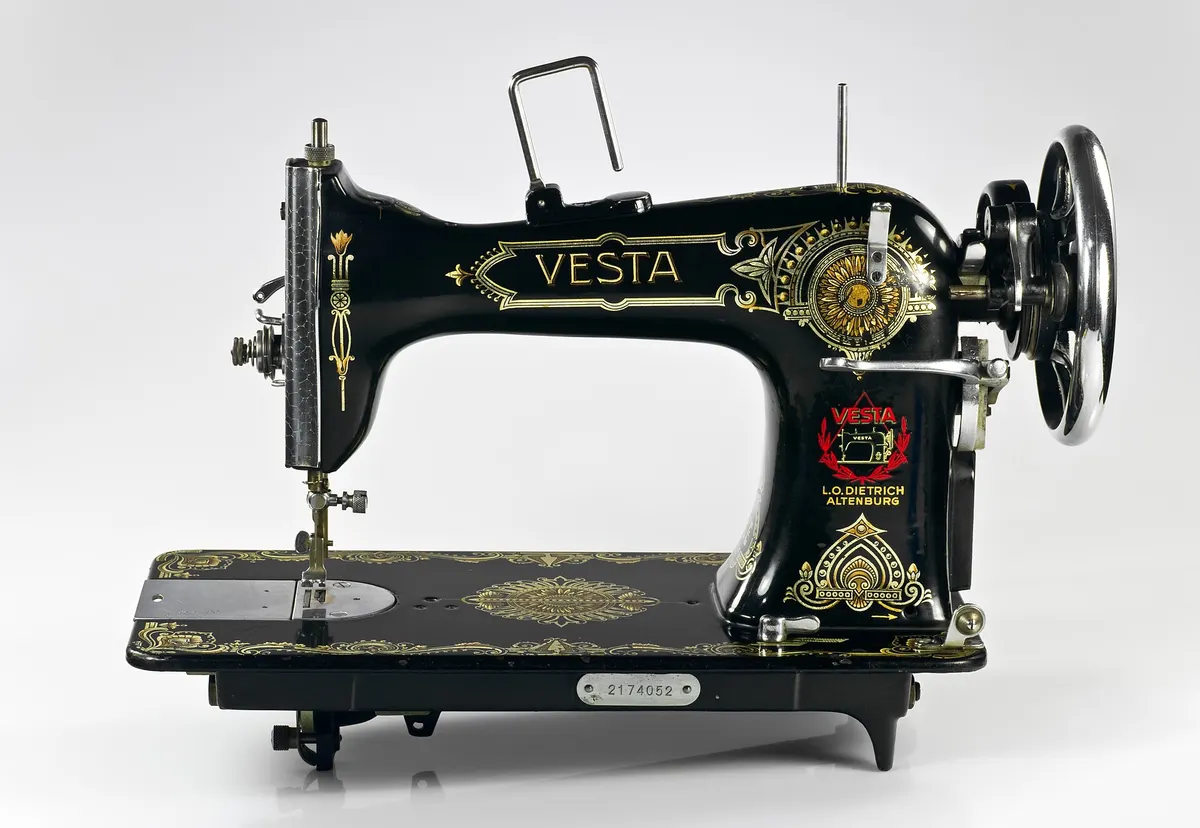
Players then cut out the sections from components like bodices, skirts, and sleeves. The most challenging part of the process is the sewing. Using an old-fashioned machine, players must manually guide the material along dotted guidelines. While straight edges are easy, tight curves and garments like mermaid skirts or elaborate cuffs demand precision and can become deeply tense.
Upon completion, players photograph the dress and present it to the client. Rejections can happen if a crucial element is missed, such as forgetting to add a matching brooch to a plum silk dress. Successful commissions advance the story, garner attention, and unlock new items such as tiaras.
Why it matters
Dressmaker bridges the gap between casual cosy games and demanding business simulations. While the game provides a relaxing environment where players can exercise creative vision by making their own ready-to-wear dresses, it introduces commercial realism through fussy customers and strict budgets. Slip-ups can seriously affect income, which gives the gameplay a surprising level of tension and engagement.
The background
Clothing design and dressmaking video games have a long history, with titles like Syn Sophia's Style Savvy and Fashion Dreamer, as well as FuRyu's Model Debut line, offering outfit creation elements. However, those titles typically involve preset items with color or pattern variations. Dressmaker, developed by Cozy Lives and published on PC, distinguishes itself by offering a far more detailed and hands-on manufacturing process that incorporates the real-world expertise of an experienced dressmaker.
What happens next
As players complete more commissions, the narrative progresses and introduces more interesting and demanding clients, such as a character named Alice. Additional stock becomes available at the International Emporium, and successful designers unlock new clothing styles and accessories to expand their creative possibilities.
Key takeaways
- Dressmaker is a PC simulation game where players manage a tailor shop in the small town of Twillford following the death of a local duke.
- The game was co-designed by an experienced dressmaker, bringing authentic details like fabric swatches, pattern drafting, and snipping scissor sounds to the gameplay.
- Players must carefully manage budgets and stat requirements, as fussy clients can reject completed outfits if specific criteria or accessories are missed.
- Successful commissions advance the story, grant designer recognition, and unlock new items such as tiaras and advanced clothing styles.