
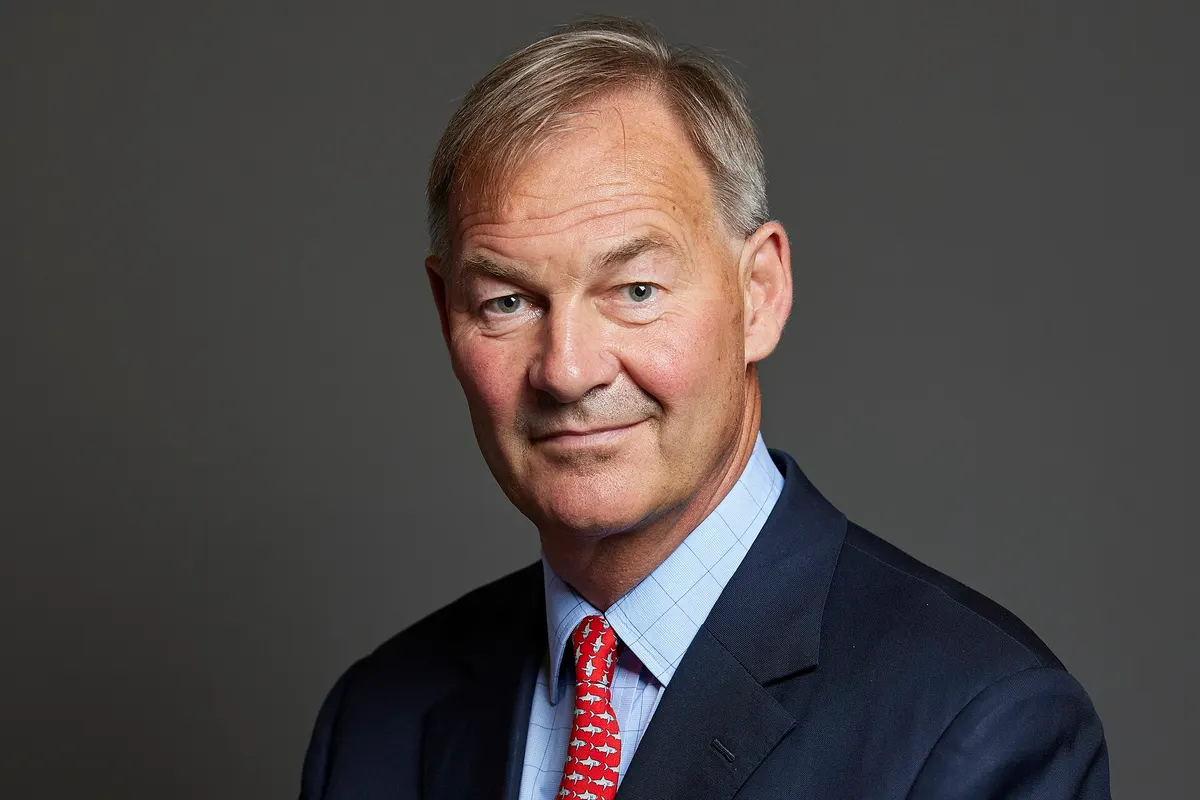
Nigel Farage’s right-wing party Reform UK is weighing the possibility of an electoral pact or reconciliation with Restore Britain, a hard-right splinter group led by Rupert Lowe. The move comes as Reform faces sliding support, a drop below twenty percent in polls, and a series of recent local election defeats driven by its rival eating into its base.
While some senior figures at Reform headquarters are open to a non-aggression pact, internal divisions remain deep over Restore’s association with hard-right figures and ethno-nationalism. Polling indicates that any official tie-up could alienate crucial former Conservative voters whom Farage is trying to attract.
What happened
Reform UK has lost five consecutive elections since September, occasionally by very narrow margins, after losing voters to Restore Britain. The splinter party was formed by Rupert Lowe following his fallout and suspension from Farage’s party. Ahead of a local byelection in the West Midlands village of Castle Bromwich, discussions at Reform’s Millbank headquarters turned toward whether to pursue a pact, a merger, or a direct reconciliation with Lowe.
Senior sources within Reform revealed that a non-aggression pact has been discussed, though opinions remain deeply divided. Some insiders argue that working with Lowe could recapture lost ground, while opponents inside the party strongly object to the hard-right views and rhetoric tied to Restore, including comments regarding Jewish and Muslim communities. Efforts to broker a detente have seen mixed signals, including recent surprisingly warm remarks between Reform figures and Lowe, despite previous public feuds involving accusations of dishonesty and internal disputes.
Meanwhile, polling data shared by More in Common reveals that an official deal would likely damage Reform’s fragile voter coalition. The survey of 2,128 adults found that a partnership with Restore would cause support among voters who backed the Conservatives in 2024 to drop from 45 percent to 39 percent. Furthermore, the percentage of voters who backed Farage at the last general election and would do so again drops from 93 percent down to 83 percent if a Lowe team-up goes ahead. Lowe’s reported conditions for a deal include hardline policies such as mass deportations, a ban on halal and kosher slaughter, and a referendum on the death penalty.
Why it matters
This friction highlights the fragility of the right-wing voting coalition in British politics. Farage’s primary political goal is to replace the Conservative Party as the main force on the British political right. However, the rise of a further-right competitor threatens to fracture that ambition. If Reform chooses to pursue an alliance, it risks alienating the moderate, wavering voters necessary to win a national election. If it refuses, it risks splitting the right-wing vote and bleeding support in key local and national contests.
The background
Reform UK evolved from the Brexit Party, led by Nigel Farage, and positions itself as a populist, anti-establishment alternative to the traditional political parties. Rupert Lowe is a Member of Parliament who initially aligned with Reform before breaking away to establish Restore Britain following internal disciplinary conflicts. Restore has consistently polled around five percent nationally, surprising political observers who initially predicted it would remain a marginal fringe movement.
What happens next
Negotiations and internal debates within Reform UK remain ongoing, with no official agreement yet reached. Restore Britain's leadership maintains that their offer for an electoral arrangement remains open, leaving the decision squarely in Farage's court as speculation regarding an early general election continues.
Key takeaways
- Reform UK is considering an electoral pact with Restore Britain after losing five consecutive elections since September.
- Polling indicates that a tie-up with Restore would reduce Reform's appeal to former Conservative voters.
- Rupert Lowe's splinter party has consistently polled around five percent nationally, outperforming initial expectations.
- Internal divisions persist within Reform over concerns about the hard-right views and rhetoric associated with Restore's figures.