
The International Committee of the Red Cross (ICRC) and various rights groups have issued a stark warning that humanity is rapidly running out of time to regulate autonomous weapons. This urgent plea follows the conclusion of a week-long conference in Geneva, where more than 120 member states of the UN Convention on Certain Conventional Weapons failed to reach an agreement on a timeline to create binding rules.
Experts argue that artificial intelligence is already being integrated into active battlefields, threatening a reality where machines make life-or-death decisions without human supervision. Without immediate international intervention, advocates warn that military technology will outpace our ability to control it.
What happened
More than 120 member states gathered in Geneva for a week-long conference under the UN Convention on Certain Conventional Weapons. Despite mounting pressure from human rights advocates and international organizations, the conference concluded without an agreement to discuss a regulatory instrument for autonomous weapons over the next two years.
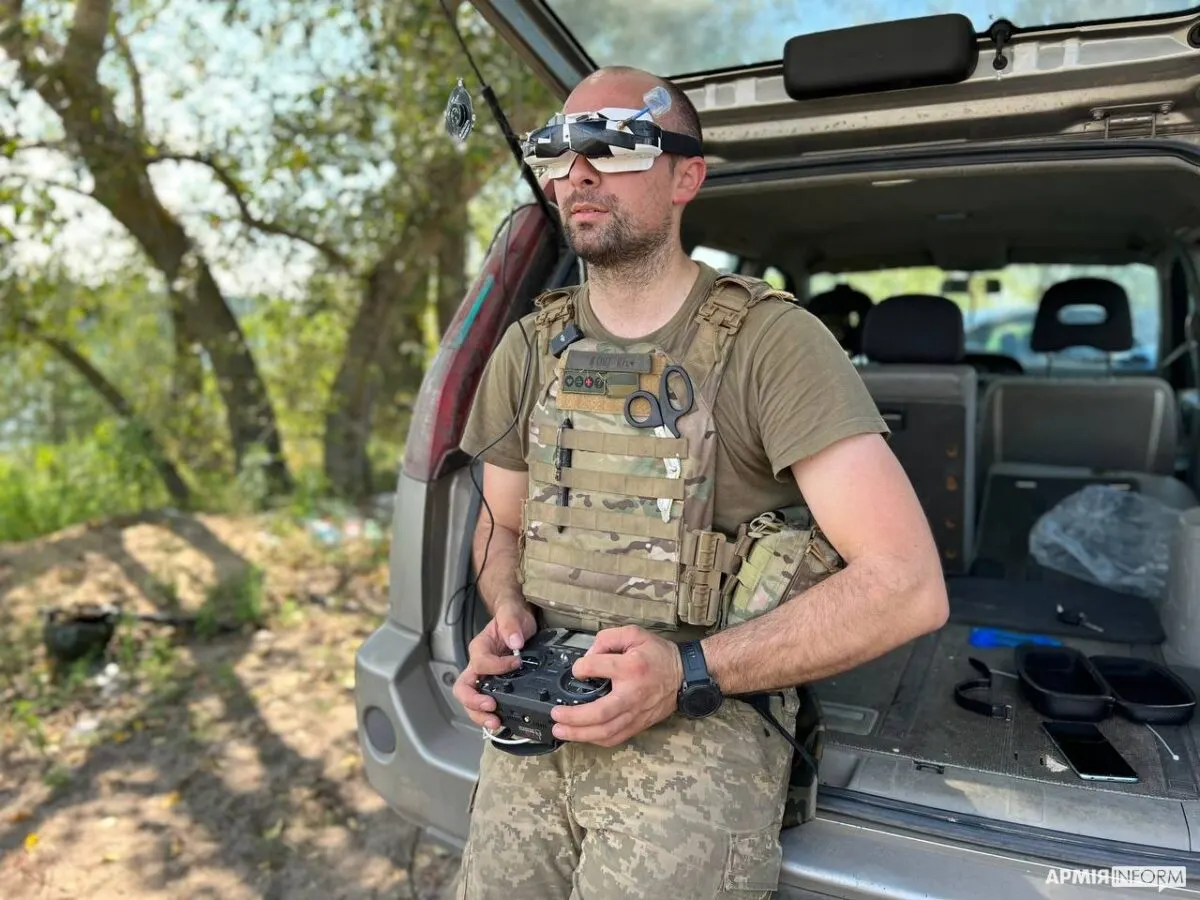
Dr Cordula Droege, the director of international law, movement and partnerships at the ICRC, stated that artificial intelligence is already being fielded in active conflicts. Autonomous weapons operate without human supervision using artificial intelligence and robotics. Examples currently in use include AI-generated target banks employed by the Israeli military in Gaza, and semi-autonomous drones featuring "last-mile capability" in the Ukraine-Russia war, where AI assumes control during the final approach to a target.
Already, these systems have led to civilian casualties. In Zaporizhzhia, Ukraine, a Russian AI-guided drone killed three civilians in July after missing its intended petrol station target. In Gaza, AI-assisted targeting methods have accelerated target generation, which rights groups report has erroneously killed civilians and individuals with tenuous links to militant groups. In Iran, a US strike that killed 156 civilians, including 120 schoolchildren, reportedly stemmed from faulty AI-gathered intelligence.
Why it matters
The failure to establish international regulations risks leaving private industry and militaries to set the operational norms for autonomous warfare. Leaders including ICRC President Mirjana Spoljaric Egger and UN Secretary-General António Guterres have called for legally binding restrictions. The ICRC specifically advocates for a ban on using autonomous weapons against personnel and mandates that weapon systems behave predictably.
Experts warn that delays in creating a robust treaty could lead to mass casualty events that dwarf what has been seen over the past eighteen months. Developers are currently working on "swarm" capabilities where hundreds or thousands of autonomous drones operate simultaneously, creating a severe risk that a single algorithmic error could lead an entire swarm to target humans.
The background
Autonomous weapons are weapon systems that can select and engage targets without human intervention, relying on complex software and artificial intelligence. As artificial intelligence has expanded exponentially, militaries and defense manufacturers have integrated these technologies into both offensive and defensive platforms.
Efforts to control these technologies have stalled at the diplomatic level for years. Non-state groups are also beginning to utilize AI for weapon programming, demonstrating the rapid proliferation of the technology beyond traditional state militaries.
What happens next
Because the recent UN conference failed to agree on a formal instrument to discuss regulation over the next two years, the immediate future of international oversight remains uncertain. Rights groups warn that further delays will make it increasingly difficult to establish international red lines, pushing the global community closer to widespread, unregulated autonomous combat.
Key takeaways
- The International Committee of the Red Cross warned that it will soon be too late to regulate autonomous weapons as military technology outpaces international law.
- A week-long UN conference in Geneva involving more than 120 member states concluded without agreeing on a plan to discuss regulatory instruments over the next two years.
- Current examples of military AI include target generation systems in Gaza and semi-autonomous drones with last-mile capability in Ukraine.
- Experts caution that failing to set red lines risks catastrophic mass casualty events, particularly with the development of multi-drone swarm capabilities.