
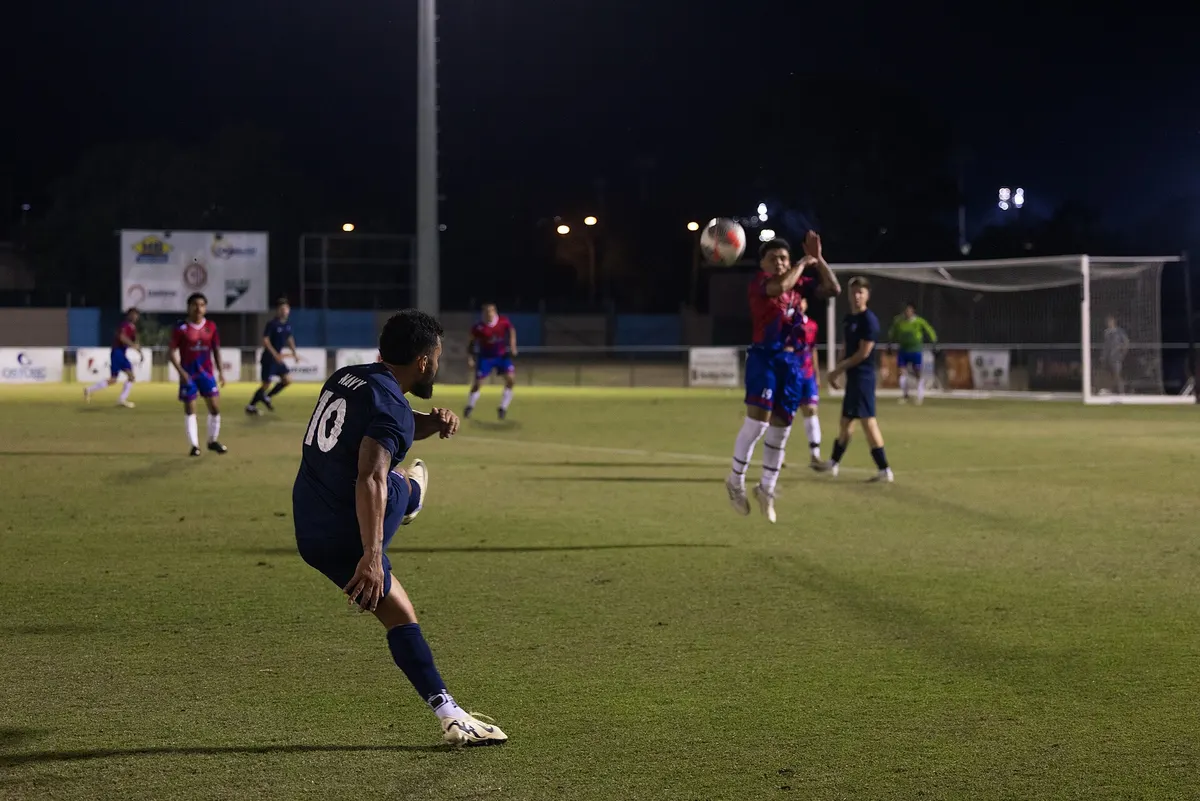
A coalition of regional and local football clubs in Queensland is preparing to separate from the state governing body following disputes over mandatory spectator fees and financial transparency. Club representatives argue that costs are becoming unsustainable for families and that central management lacks accountability.
More than 100 clubs representing over 100,000 players have joined a reform movement to challenge Football Queensland. The rebel faction is negotiating through legal counsel and has warned it will establish a rival central body if demands for democratic reform and open elections are not met.
What happened
Friction between local clubs and Football Queensland has intensified over a series of new fees and charges. In parts of regional Queensland, the state governing body introduced a $5 gate fee for parents and siblings watching children play matches. This spectator charge is levied in addition to annual family costs ranging from $300 to $700 depending on player age and club factors, alongside separate fines and fees. Jessy Mulla, president of Leichhardt Football Club Cairns Incorporated—which was recently disaffiliated—stated that Football Queensland introduced the gate fee in 2024 to fund ground improvements at Endeavour Park in Manunda. These promised upgrades included toilet cleaning, a full-time gardener, and shade structures and grandstands priced at $20,000 each. Mulla noted that despite substantial weekend attendance raising significant revenue, very little ground improvement has actually occurred, leaving members questioning where the funds go. Under the policy, registered coaches, team managers, referees, volunteers, and children under 15 enter free, while pensioners pay a reduced rate of $4. In response to the backlash, Football Queensland defended the charge, explaining that a $5 gate fee or $80 season pass aligns with other sporting codes and helps offset maintenance and operational expenses under its regional facility master plan. A spokesperson added that three levels of government have invested $7.9 million into regional facilities since 2023, with the central body contributing an additional $4.9 million during the same period. The state body also previously proposed a $35 per player fee for club-organised summer competitions and other increases, though those specific proposals were later dropped. Beyond spectator fees, a rebel faction led by figures such as Bardon Latrobe football club president Gerard Doyle has coalesced around broader grievances regarding representation and transparency. Doyle reported that the coalition represents a majority of clubs and is currently negotiating with the central authority via a law firm. The rebel group is demanding that Football Australia step in to facilitate open and free elections by the deadline for clubs to re-affiliate, which was extended to Wednesday, 25 November. Doyle asserted that it is impossible for the current board to meet its own bylaws regarding nomination periods and warned that clubs will refuse to affiliate or pay dues, creating a rival organization instead.
Why it matters
The dispute directly impacts hundreds of thousands of grassroots football players, their families, and local volunteer-run clubs across Queensland. For families already paying hundreds of dollars annually per player, additional spectator fees increase the financial barrier to youth sports participation. The potential breakaway of more than 100 clubs threatens to fracture the administration of football in the state, creating parallel governing structures that could disrupt competitions, player pathways, and facility management.
The background
Football Queensland is the state-level governing body responsible for managing competitions, governance, and player pathways, operating as a member of the national body, Football Australia. Local clubs must pay annual affiliation fees to the central authority, which are typically passed on to participating families. Regional facilities and operations are guided by statewide master plans involving funding from various levels of government alongside central body contributions.
What happens next
Clubs have until Wednesday, 25 November, to re-affiliate with Football Queensland following a sign-up period extension. The rebel faction has conditioned its continued affiliation on Football Australia intervening to oversee open board elections. If this does not occur, the dissenting clubs plan to withhold their fees and form a rival central body.
Key takeaways
- More than 100 football clubs representing over 100,000 players are threatening to break away from Football Queensland.
- The conflict was triggered by the introduction of a $5 gate fee for spectators watching children's matches in regional areas.
- Football Queensland stated the gate fees help offset operational expenses and fund regional facility master plan improvements.
- Rebel clubs are demanding intervention from Football Australia to facilitate open elections before the 25 November re-affiliation deadline.