
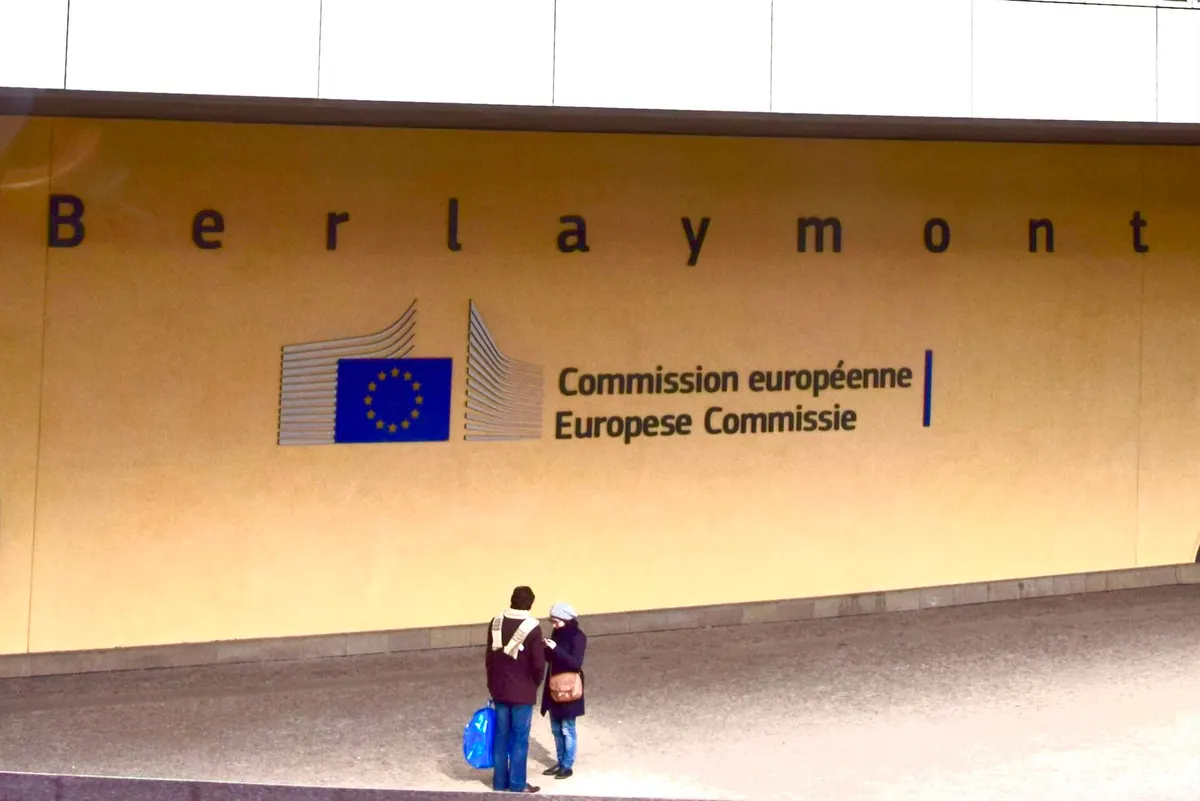
British Prime Minister Andy Burnham has traveled to Brussels to unveil a sweeping new agreement with European Union leaders, marking a significant political gamble on closer ties with the bloc. Standing alongside European Commission President Ursula von der Leyen and European Council President António Costa, Burnham promoted a package covering food checks, emissions trading, and a youth exchange scheme.
While European leaders welcomed the initiative warmly, the prime minister faced immediate pushback from domestic critics including Reform UK leader Nigel Farage and Eurosceptic groups. Despite aiming high on economic benefits, Burnham and his team remained cautious about discussing any future return to full EU membership, focusing strictly on the specific proposals at hand.
What happened
During a press conference in Brussels, Burnham laid out a package he argued would lower supermarket food prices, reduce electricity costs, and boost overall UK economic growth by 0.5% annually. The prime minister became particularly emotive when describing a new youth exchange scheme as a vital opportunity for a generation whose choices were restricted by the 2016 Brexit referendum and the COVID-19 pandemic. A constituency-level survey released ahead of the summit indicated that voters in 274 out of 394 constituencies estimated to have voted Leave in 2016 would now back rejoining the EU, including Burnham’s own Makerfield seat.
Following the joint appearance with von der Leyen and Costa, Burnham directly challenged political opponents to reject his economic plan. Nigel Farage held a rival press conference nearby shortly after, while the newly formed Brexit purity group Stay Out issued a statement arguing that rejoining the EU would cost the UK £750m a week. The Conservative Party also issued a condemnatory press release criticizing Burnham for reopening past divisions, though Kemi Badenoch spent the day on an unrelated visit in Essex.
Despite provoking a broader debate about the UK's long-term relationship with Europe, UK officials maintained a cautious stance regarding any discussion of actually rejoining the bloc. Pre-summit talk of closer future links was replaced by vaguer language about mutual brainstorming, with officials noting that any further progress could take months.
Why it matters
The proposed deal directly impacts everyday consumers through potential changes to food and electricity costs, while the youth exchange scheme affects younger generations seeking mobility within Europe. Economically, the government claims the package could deliver a 0.5% annual boost to growth, making it a high-stakes test of whether public opinion on Brexit has fundamentally shifted since 2016.
Political fortunes are also on the line. Burnham is betting that the formidable Brexit forces of the past have weakened, allowing a bold pro-engagement strategy to succeed without severe electoral fallout. However, the opposition from figures like Farage and newly formed campaign groups demonstrates that European integration remains a deeply polarizing fault line in British politics.
The background
The current political landscape is shaped by the fallout of the 2016 referendum in which British voters chose to leave the European Union. Previous efforts to reset the UK-EU relationship were closely associated with Keir Starmer, but Brussels officials have expressed a willingness to work with Burnham as a popular and decisive leader.
The summit brought together key figures including European Commission President Ursula von der Leyen and European Council President António Costa alongside UK cabinet ministers such as Foreign Secretary Ed Miliband, Chancellor John Healey, Business Secretary Jonathan Reynolds, and Chief Whip Anneliese Midgley.
What happens next
A bill designed to enshrine the new EU deal into UK law is scheduled to be presented to parliament next week. Government officials have indicated that any further progress beyond the current package of agreements could take months to develop.
Key takeaways
- British Prime Minister Andy Burnham unveiled a new UK-EU deal in Brussels covering food checks, emissions trading, and youth exchanges.
- The prime minister challenged political opponents to reject a plan he claims could add 0.5% annual growth to the UK economy.
- A constituency-level survey indicated that voters in 274 out of 394 constituencies estimated to have voted Leave in 2016 would now back rejoining the EU.
- A government bill setting the new EU agreement into UK law is scheduled to be presented to parliament next week.