
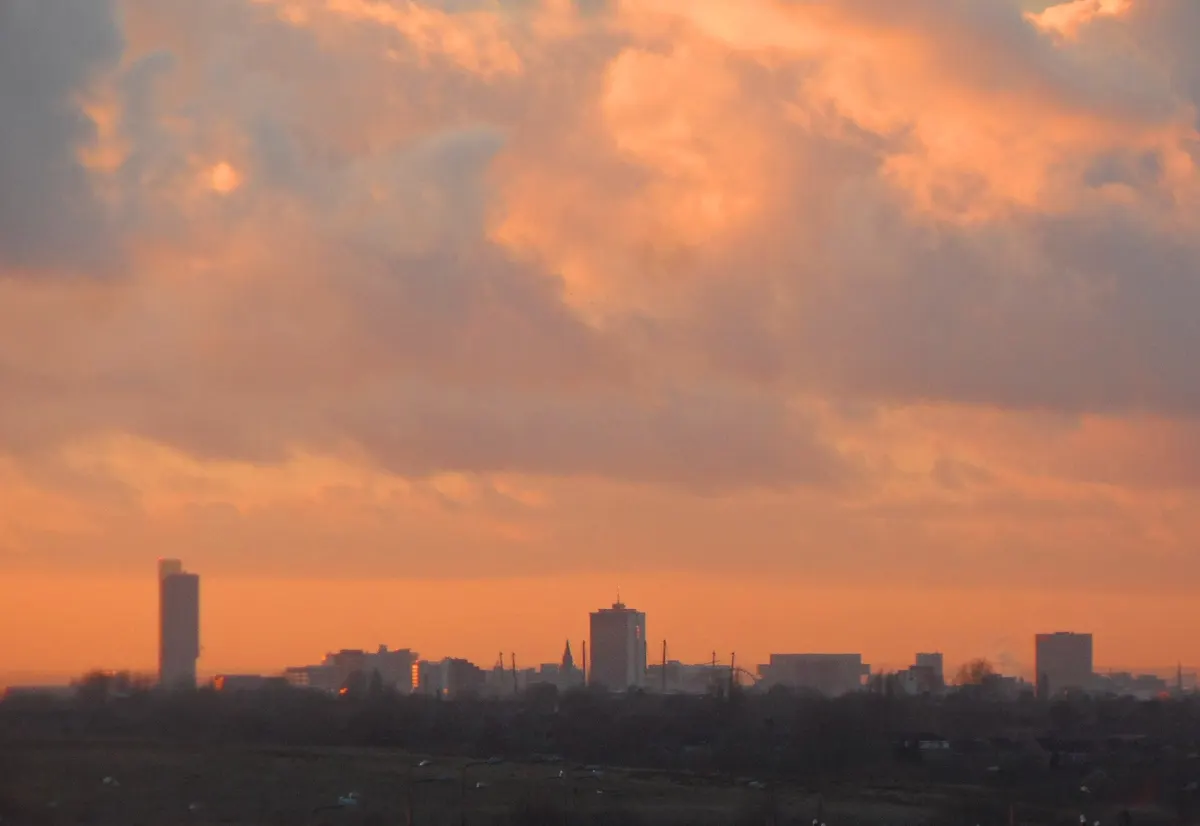
Prime Minister Andy Burnham's newly established Number 10 North office in Manchester is operating largely out of the spotlight, but that is about to change. Officials based there are currently drafting two crucial documents that will define Burnham's time as prime minister.
With a multi-million pound hiring spree underway and a 10-year plan due next month, critics and allies alike are questioning whether the Manchester team will become a genuine engine room of change or merely a symbolic outpost.
What happened
Number 10 North opened in July and has been quietly focusing on two forthcoming documents. The first is Burnham's 10-year plan, scheduled for release next month, which aims to chart a path for Britain's future and deliver on a pledge of growth in every postcode. The second is the 'rewiring the state' white paper, which will follow in the new year and outline how power will be moved from Westminster to other parts of the country. A major theme of the 10-year plan is expected to be reindustrialisation, with staff exploring ways to attract businesses to less prosperous towns and cities while also formulating alternative strategies for rural and coastal areas.
Controversy arose in Whitehall this summer when a government statement announced that local economic growth policy would transfer directly from HM Treasury into Number 10 North. While some interpreted this as an attempt to weaken the Treasury, sources within the department insisted that no serious growth decisions can be made without their approval. Meanwhile, Labour MPs have expressed concern that the upcoming 10-year plan may not be as radical as the prime minister originally hoped, though an official who viewed elements of it described it as pretty weighty.
To support its expanding remit, Number 10 North is undergoing a hiring spree that will bring its staff to around 120 officials and advisers when it moves into permanent premises next spring. This is nearly half the size of Number 10 South, the term some advisers use for Downing Street's London operations. Despite this growth, Number 10 North remains vastly underpowered compared to traditional departments. For instance, the Treasury's north of England campus in Darlington, established in 2021, employs around 3,000 staff. Beth Russell, the most senior civil servant in Darlington, has been advising Number 10 North on setting up an office outside London and replicating its success in hiring non-traditional civil servants.
Why it matters
Prime ministers have long been frustrated by the difficulty of exercising real power within Whitehall, where policy directives are issued but often fail to translate into action. The Number 10 North project sits at the centre of this ongoing friction. It remains unclear whether the Manchester office will eventually wield genuine executive power itself or simply act as a conduit to transfer powers to regional mayors and local politicians. Furthermore, while the 10-year plan is expected to address long-term ambitions in health, transport, education, social care, skills training, and council housebuilding, some Whitehall officials argue that most of these responsibilities are staying firmly within traditional government departments because Number 10 North lacks its own resources for delivery.
The background
Number 10 is the traditional shorthand for the headquarters of the British government and the office of the prime minister, located at 10 Downing Street in London. For decades, governance in the United Kingdom has been heavily centralized around Westminster and Whitehall, leading to repeated political promises to decentralize power and bridge the economic divide between London and the rest of the country. Regional offices and civil service relocations—such as the Treasury campus in Darlington—have increasingly been used by governments to project state presence outside the capital and tap into local labor pools.
What happens next
Burnham's 10-year plan is due to be published next month, followed by the 'rewiring the state' white paper in the new year. Government sources remain divided on the ultimate trajectory of Number 10 North, noting that the prime minister will eventually have to decide whether the office will shift toward actual delivery or remain focused on convening people from across the country in a more conventional advisory role.
Key takeaways
- Prime Minister Andy Burnham's Number 10 North office in Manchester is preparing to release a 10-year plan next month and a policy white paper early next year.
- A recent hiring spree will expand the Manchester office to around 120 officials and advisers by next spring, though it remains significantly smaller than traditional Whitehall departments.
- Debate persists within government over whether Number 10 North will wield genuine executive power and drive delivery or remain primarily an advisory and convening body.