
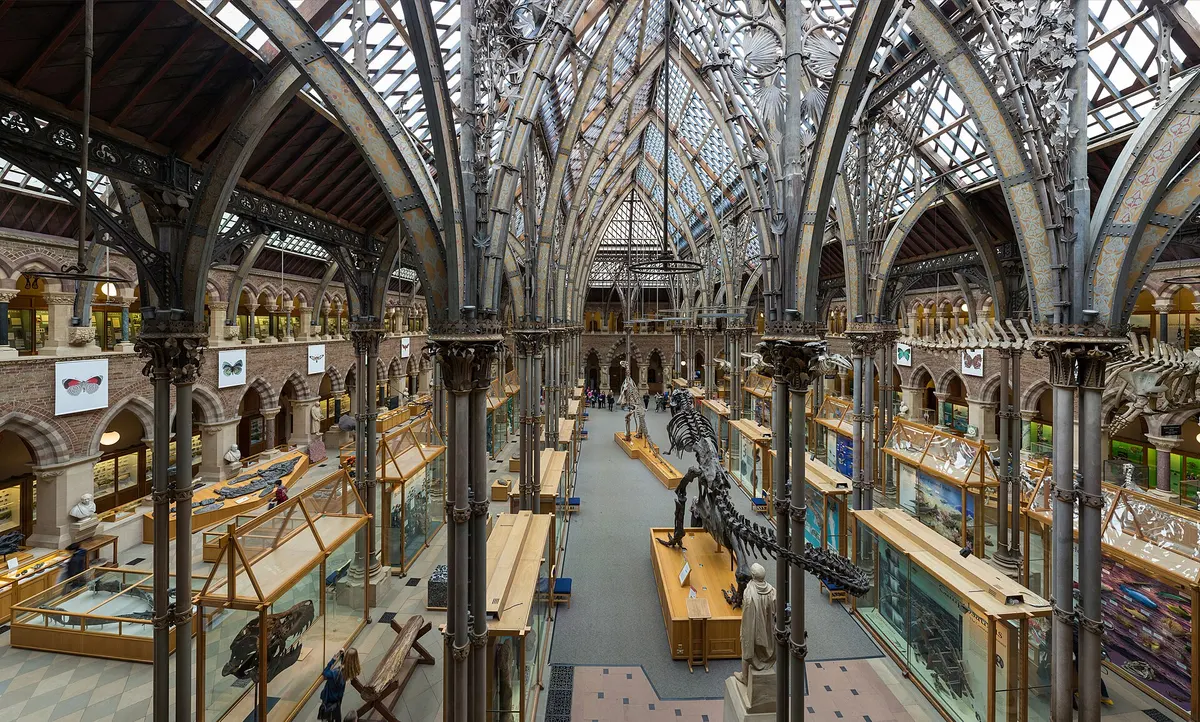
After nearly eight0 years housed on public display shelves at the Pitt Rivers Museum in Oxford, 39 ancestral skeletal remains taken from Nagaland during British colonial rule are finally returning home to India. In early November, the museum formally handed custodianship of the remains—which include those of a village chief, a woman, and two children—to a visiting delegation of Naga leaders and scholars.
The landmark repatriation marks a significant milestone for Indigenous restitution, representing the first time human remains have been officially returned from a western institution to India. The process sets a precedent for community-led reconciliation efforts in a country that currently lacks national repatriation laws for Indigenous ancestral collections.
What happened
The path to repatriation began in 2020 after the Pitt Rivers Museum—one of the world's leading anthropology and ethnography institutions—conducted an internal ethical review and decided to remove human remains from public display. Anthropologist Dolly Kikon read about the review in the press and contacted the museum, setting the formal return process in motion. The display of these remains, along with other contentious items such as Shuar shrunken heads known as tsantsa, had long faced criticism for reinforcing racist stereotypes.
Because India has no domestic legislation governing the return of ancestral remains, the Naga community had to organize an unprecedented, grassroots effort to ensure the process was entirely community-led. The Forum for Naga Reconciliation facilitated the discussions, while a voluntary research group called Recover, Restore and Decolonise formed to build awareness by traveling to villages and urban centers to speak with students and elders. Over six years, these groups built consensus across Naga communities regarding what should be done with the remains.
In November, museum director Laura Van Broekhoven acknowledged the long journey toward reconciliation and healing as custodianship was officially transferred. Anthropologists note that the skeletal remains had been acquired by British colonial administrators John Henry Hutton and James Philip Mills between 1910 and 1940, often under duress during colonial expeditions rather than through traditional headhunting practices.
Why it matters
This repatriation opens a wider conversation about the legacy of colonial rule and the presence of human remains and cultural artifacts in western museums. For the Naga community, bringing the ancestors home is an essential act of healing and closure after decades of displacement. It challenges historical narratives imposed by colonial collectors and asserts Indigenous agency over ancestral heritage.
At the same time, the return highlights a stark contrast in international legal frameworks. While countries like Australia, Canada, and the US have established national policies for repatriating Indigenous remains, India relies entirely on grassroots diplomacy and bilateral negotiations to achieve similar outcomes.
The background
The Pitt Rivers Museum, part of Oxford University, holds one of the largest and most significant collections of Naga objects and human remains in the world. Its vast holdings include approximately 6,500 Naga items such as weapons, clothing, vessels, and musical instruments, as well as roughly 178 objects that contain or may contain human hair. Many of these items were originally gathered by colonial administrators Hutton and Mills, while others were acquired through auction houses.
The broader debate over restitution in India is long-standing and encompasses famous contested treasures. Most notably, the Koh-i-noor diamond—which passed through various regional rulers before Britain seized it from a ten-year-old king—remains part of the British crown jewels and a potent symbol of imperial plunder that continues to rankle many in India.
What happens next
While the 39 skeletal remains are returning to India, the broader collection of Naga heritage items at the Pitt Rivers Museum remains largely untouched for now. Anthropologists emphasize that the successful return of the human remains is merely a first step in rethinking the museum's massive holdings of Naga artifacts, objects, and hair-containing items. Future discussions regarding these remaining cultural objects will depend on ongoing dialogues between academic institutions and Indigenous communities.
Key takeaways
- The Pitt Rivers Museum at Oxford University has transferred custodianship of 39 Naga ancestral skeletal remains to an Indian delegation.
- The historic handover marks the first repatriation of human remains from a western institution to India.
- The six-year repatriation process was entirely community-led in the absence of national Indian laws for Indigenous restitution.
- The museum still holds approximately 6,500 Naga objects and around 178 items containing or potentially containing human hair.