
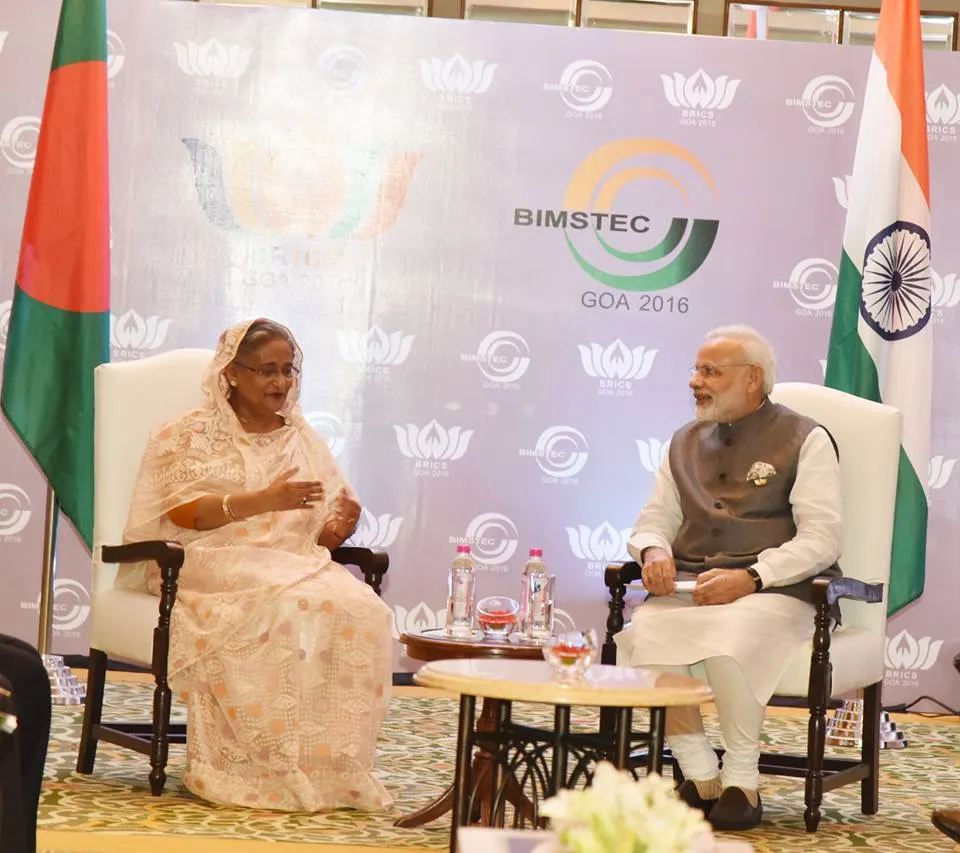
Ousted former Prime Minister Sheikh Hasina has announced her intention to return to Bangladesh from exile in India on December 16, choosing Victory Day to challenge the current administration. The declaration has escalated political tensions and triggered a nationwide security crackdown.
The government in Dhaka has dismissed her homecoming plans, stating that she is a convicted fugitive facing a death sentence who will be arrested immediately upon entry. While Hasina's supporters have outlined detailed plans for her journey and mobilization, officials insist she will only be brought back through formal extradition.
What happened
Sheikh Hasina, who fled to Delhi in August 2024 following a student-led uprising that ended her 15-year rule, has specified that she plans to return home on Victory Day, the anniversary of Bangladesh's 1971 triumph over Pakistan. Her spokesperson and key aides outlined that she wants the Bangladesh government to arrange a flight from Delhi, failing which she could travel commercially, cross the land border, or even walk into the country. Supporters have identified nine possible border-crossing points and claimed the party could mobilize five million people along the route to Dhaka.
The administration led by Tarique Rahman has responded with defiance. Officials, including State Minister for Foreign Affairs Humayun Kobir and Home Minister Salahuddin Ahmed, stated that Hasina can only return through the established extradition process and would be arrested in handcuffs immediately upon arrival. The government dismissed shifting deadlines and warned of strict legal action against the banned Awami League. Amid the escalating rhetoric, police have recorded dozens of crude bomb blasts and arson incidents targeting vehicles across multiple districts, while the Awami League called a nationwide lockdown.
Why it matters
The standoff transforms what began as a localized law-and-order crisis into a national contest over political legitimacy. For the current administration, Hasina's declaration is seen as a deliberate test of state authority aimed at forcing her way back into political discourse and exploiting divisions among the parties that united to oust her. For India, sheltering a former close ally now facing a death sentence creates an immediate diplomatic dilemma. Furthermore, the rising political friction and localized violence threaten the safety of vulnerable communities, including women's rights activists, Hindus, tribal populations, and Adivasi minorities.
The background
Sheikh Hasina served as the prime minister of Bangladesh for 15 years before a deadly student-led uprising forced her out of power in August 2024. According to the United Nations, as many as 1,400 people were killed by security forces during the unrest. Following her flight to India, a Bangladeshi court sentenced her to death in her absence after convicting her of crimes against humanity for her role in the crackdown. Her Awami League party was subsequently banned by the interim administration. Despite living in exile in Delhi, Hasina has reportedly maintained contact with party workers through hundreds of hours of audio conversations, attempting to keep her political network alive.
What happens next
It remains uncertain whether Hasina will actually attempt to land in Dhaka on December 16 or how she intends to execute her journey if official transport is refused. India's foreign ministry stated that the extradition request is being examined through established processes, noting that a voluntary return would be a separate matter. Meanwhile, Bangladeshi law enforcement agencies remain on constant alert, and the government has made it clear that any attempts by the Awami League to resort to militancy or property attacks will face severe legal consequences.
Key takeaways
- Ousted former Prime Minister Sheikh Hasina has announced plans to return to Bangladesh from exile in India on December 16.
- The Bangladesh government has stated that Hasina is a convicted fugitive facing a death sentence and will be arrested immediately upon arrival.
- Hasina's aides have suggested alternative travel methods, including commercial flights, land border crossings, or walking into the country.
- The ruling administration has accused the banned Awami League of using violence and calling nationwide lockdowns as survival tactics.
- India's foreign ministry indicated that Hasina's formal extradition request is currently being examined through established legal processes.