
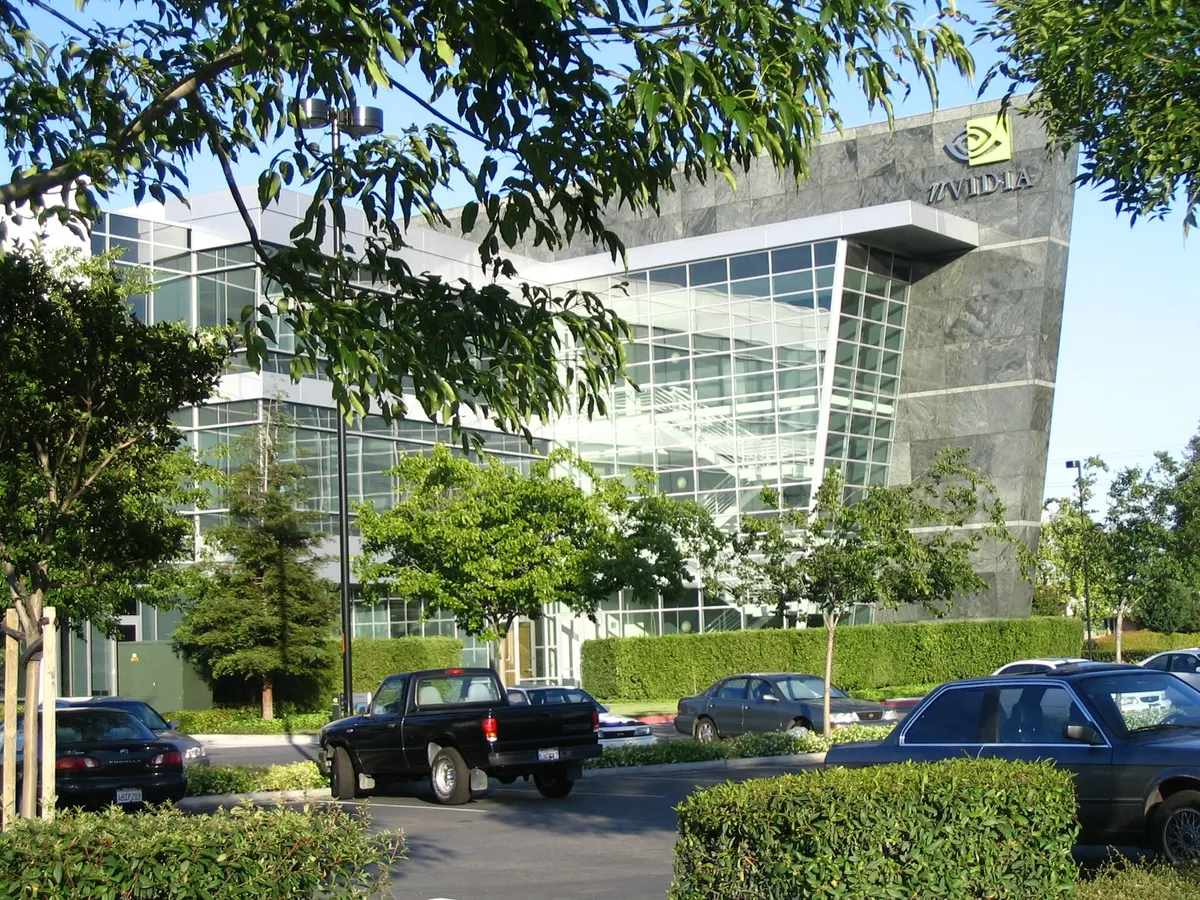
Investors are growing increasingly jittery about the artificial intelligence boom following a turbulent period for chip giant Nvidia and questions over market valuations. The Nasdaq market saw Nvidia's share price slide, adding to a nearly 30 percent drop over the past six months even before recent corporate scandals emerged. Market analysts note that skepticism surrounding the technology sector's rapid growth has been present for months and persists despite leadership changes.
What happened
Jensen Huang recently returned to lead Nvidia following a scandal and an extraordinary sequence of events involving the White House. President Donald Trump publicly claimed credit for telling the company's board to reinstate Huang, describing the executive as a national treasure who holds the next generation of artificial intelligence chips in his head. The President asserted that a two-day investigation cleared Huang of national security concerns.
This high-level political intervention has alarmed skeptics in financial markets. Skeptics argue they have never witnessed a market boom propped up by such direct government action, setting short sellers and bond vigilantes against Silicon Valley and the administration. Compounding these worries, Anthropic, the first purely artificial intelligence company to be publicly listed, has traded lower than its stock market flotation price last week, testing investor appetite. This downward movement casts uncertainty over OpenAI's own planned stock exchange listing.
Why it matters
The stability of the artificial intelligence boom relies heavily on Nvidia, which generates around $400bn in annual sales of advanced chips. Nvidia sits at the center of a complex web of financing, borrowing, and cross-ownership designed to fund the heavy infrastructure build-out of data centres. With voters delivering a backlash against these facilities and investors trading on political support rather than pure revenue numbers, the foundational cash generator of the tech boom appears politically fragile.
Furthermore, corporations are beginning to question whether they should rely on expensive frontier artificial intelligence models or shift to cheaper generic alternatives offered by China. The combination of trillion-dollar company value swings and aggressive political maneuvering signals a volatile and precarious environment for the technology sector.
What to know
Nvidia is a key American technology company that designs graphics processing units essential for powering artificial intelligence applications and data centres. Its advanced chips form the backbone of modern machine learning infrastructure. The recent market turbulence highlights how tightly intertwined corporate valuations, massive infrastructure investments, and government policy have become in the artificial intelligence sector.
Key takeaways
- Nvidia shares have slid significantly over the past six months amidst broader market jitters regarding the artificial intelligence boom.
- President Donald Trump intervened directly to secure the return of Jensen Huang to Nvidia, citing national security and chip development.
- Anthropic's stock performance following its public flotation is testing overall investor appetite for purely artificial intelligence companies.
- Analysts question whether corporations will continue using expensive frontier models or switch to cheaper generic models from China.