
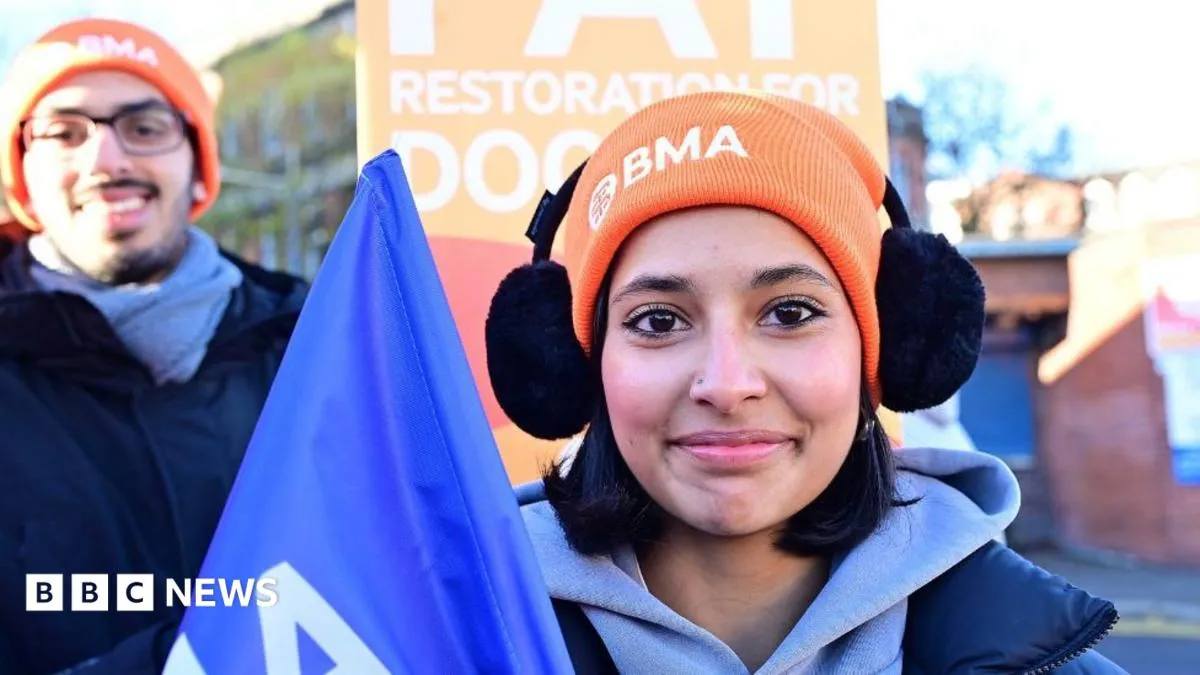
Resident doctors across Northern Ireland have staged a 24-hour industrial action over pay, warning that the region's health service is failing to retain medical staff. The walkout has forced the cancellation of numerous planned outpatient appointments and elective care procedures.
The British Medical Association union rejected a proposed 3.5% pay rise, arguing that salaries have fallen drastically in real terms over many years. Medics on the picket lines warned that Northern Ireland risks losing its medical workforce to other parts of the UK, the Republic of Ireland, and countries further afield like Australia and New Zealand.
What happened
The 24-hour strike began at 07:00 GMT on Friday, affecting non-emergency hospital services and scheduled appointments across Northern Ireland. Trusts had previously notified patients whose planned care was disrupted by the industrial action.
While resident doctors joined picket lines—such as outside the Ulster Hospital in Dundonald—senior doctors remained on duty to maintain emergency departments, urgent surgery, and most GP services. Resident doctors are fully qualified medical practitioners completing postgraduate clinical training under supervision.
The strike follows the British Medical Association's rejection of a 3.5% pay award. Union representatives argue that years of below-inflation pay rises have significantly eroded medical salaries since 2008, leaving Northern Ireland as one of the lowest-paid places in the UK for health workers.
Why it matters
The dispute highlights a severe recruitment and retention crisis within Northern Ireland's healthcare system. Medical staff report facing burnout and emotional distress under heavy workloads while managing half a million people on waiting lists.
Patients experience immediate disruptions through canceled elective care, scheduled surgeries, and planned medical scopes. Over the longer term, union representatives warn that the persistent inability to attract and retain young doctors threatens the future stability of the entire health service.
The background
Northern Ireland's healthcare system has faced severe strain following years of underinvestment and political instability, including prolonged absences of a functioning Stormont executive and budget.
Health Minister Robbie Butler stated he would do everything in his power to implement the current year's pay award but noted he cannot do so without an active budget. The British Medical Association is pressing for full "pay restoration" dating back to 2008 to reverse what it describes as 15 years of declining investment and pay erosion.
What happens next
Emergency departments and urgent care continue to operate with senior doctor cover. It remains unconfirmed when a resolution to the pay dispute will be reached, as union representatives and government officials continue to clash over responsibility for funding the required salary increases.
Key takeaways
- Resident doctors in Northern Ireland launched a 24-hour strike after rejecting a 3.5% pay rise offer.
- Medics warned that uncompetitive wages are causing doctors to emigrate or move elsewhere in the UK and the Republic of Ireland.
- The industrial action resulted in the cancellation of numerous non-emergency outpatient appointments and elective care services.
- Health Minister Robbie Butler stated he cannot currently implement the pay award due to the absence of a Stormont budget.