
Senior doctors and consultants have initiated fresh strike action amid ongoing disputes over pay and working conditions. The industrial action spans multiple regions, affecting hospital appointments, routine procedures, and emergency service delivery.
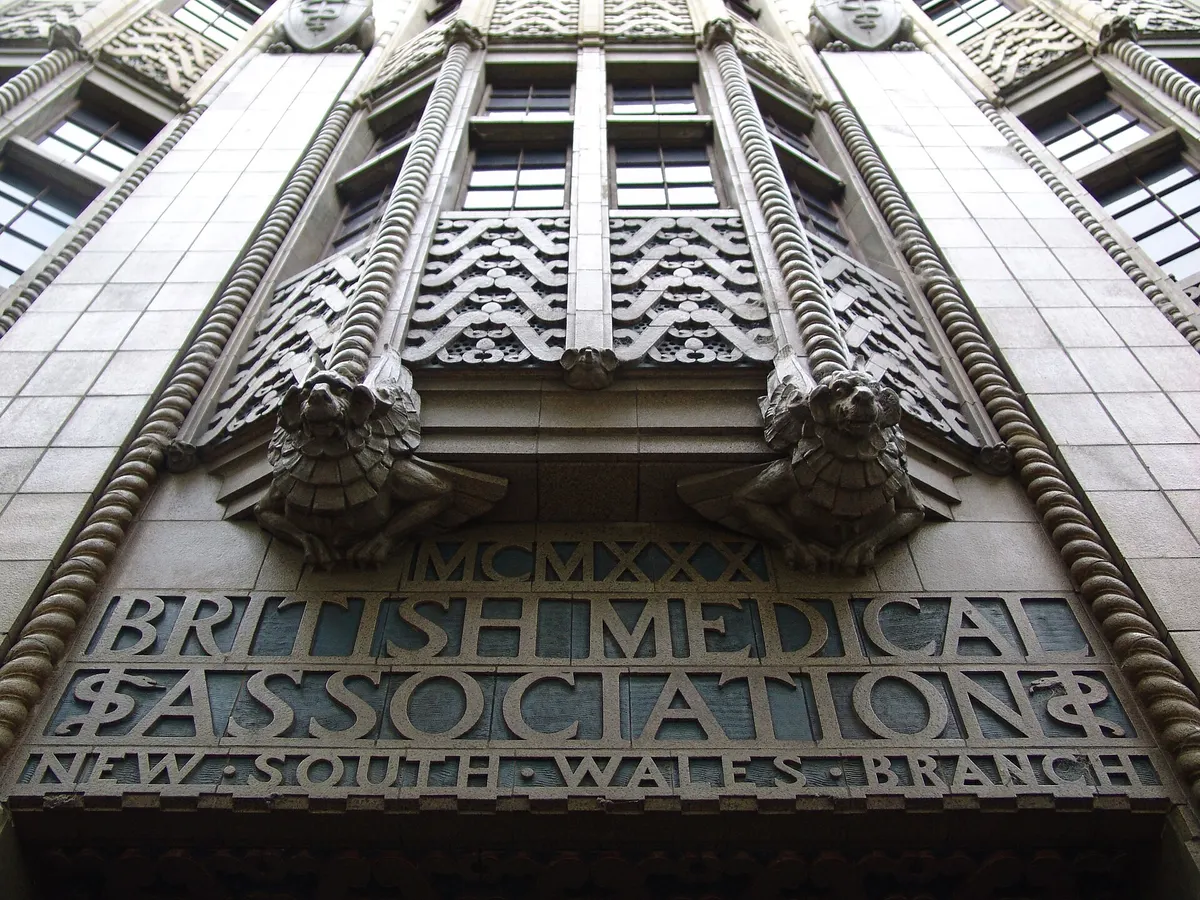
The British Medical Association argues that pay has eroded significantly over the years, while government health officials maintain that budget constraints and wider public sector impacts prevent them from meeting union demands.
What happened
In Northern Ireland, consultants and specialist doctors began a 24-hour strike following a separate 24-hour strike by resident doctors. The walkout took the form of Christmas Day cover, meaning full emergency cover remained in place while routine investigations, operating lists, and hospital appointments were affected. Health trusts reported that approximately 1,694 patients were expected to be impacted on Monday alone, with some urgent care centres closed and procedures needing rescheduling.
Meanwhile, in England, senior doctors represented by the British Medical Association announced plans for a two-day walkout beginning on November 25. Consultants in England will likewise provide emergency cover only during their strike. The decision follows a ballot earlier in the year where 76 per cent of participating consultants voted in favour of industrial action, though turnout sat just over the 50 per cent threshold.
Why it matters
Patients face real consequences regarding waiting lists and service delivery as healthcare providers struggle to reschedule cancelled activity during the busy winter period. In Northern Ireland, officials warned of angry and disappointed patients facing postponed care. In England, government ministers described the upcoming strike action as irresponsible, arguing it places the health service under immense pressure just as efforts to clear waiting lists stall.
The background
The British Medical Association represents doctors and medical students in the UK, acting as a trade union and professional body. In Northern Ireland, the union rejected a recommended 3.5 per cent pay rise, demanding the restoration of doctors' pay to 2008 levels and giving trusts a six-week notice period. In England, consultants also received a 3.5 per cent pay increase this year, but the union contends that pay has fallen by a quarter over the past 17 years when adjusted for inflation. Beyond pay, English consultants are pushing for a reduction in the standard working week from 40 to 35 hours, higher out-of-hours pay, and pension flexibilities.
What happens next
Health ministers in Northern Ireland have stated their doors remain open, though the Department of Health notes that implementing broader pay awards and living wages carries substantial costs. In England, despite constructive discussions over the past month, government officials expressed disappointment that strike dates were formally announced as negotiations stalled over bridging the gap between union demands and ministerial budget limits.
- Consultants and specialist doctors in Northern Ireland launched a 24-hour strike with full emergency cover remaining in place.
- Senior doctors in England confirmed a two-day walkout beginning on November 25 following a successful union ballot.
- The British Medical Association states that consultant pay has fallen significantly in real terms over the past 17 years.
- Health ministers warn that the strikes will disrupt patient appointments and worsen waiting lists heading into the winter period.