
Microsoft is preparing a systemic overhaul of the Windows 11 driver ecosystem by replacing a large number of third-party device drivers with its own built-in options. Revealed at the Ignite 2026 conference, the initiative aims to keep external software away from the core operating system to improve stability. The primary goal of this push is to tackle one of the leading causes of Windows reliability issues. By relying more heavily on native inbox drivers, Microsoft hopes to drastically cut down on system-crashing errors and security vulnerabilities. ## What happened During the Ignite 2026 conference, Microsoft confirmed that its developers are creating entirely new built-in drivers for whole classes of hardware components. Device drivers act as the crucial bridge allowing the operating system to communicate with hardware peripherals like printers, cameras, and audio cards. Traditionally, manufacturers supplied these drivers, which varied widely in quality and could bring down an entire PC when they failed. Printers have been placed furthest along in this gradual shift. Microsoft has introduced a new Windows Ready Print model designed to replace legacy third-party printer drivers. Beyond printing, Microsoft developers are working on new audio drivers, including SoundWire and SDCA class drivers, along with I3C bus drivers, USB Ethernet drivers, and MIPI camera class drivers. Concurrently, Microsoft is cleaning up legacy drivers that were previously distributed through Windows Update, which sometimes pushed older driver packages to users even when newer ones were available for critical hardware like GPUs. This effort ties into the Driver Quality Initiative, introduced alongside hardware partners at a WinHEC conference, which aims to set higher standards for driver reliability and security. ## Why it matters For everyday PC users, this change promises a significantly more stable computing experience with fewer frustrating blue-screen crashes. When a third-party driver fails, it frequently takes the entire operating system down with it; moving drivers away from the sensitive system kernel limits potential damage. Furthermore, standardizing basic drivers means more peripherals can function instantly upon connection without requiring users to hunt down and install separate manufacturer software. Manufacturers are now strongly encouraged to utilize these native class drivers rather than packing unnecessary custom code into the Windows infrastructure. While hardware makers will still provide specialized software for advanced features like custom lighting or high-end performance, the foundational reliance on Microsoft-maintained code alters how Windows interacts with external devices. ## The background Device drivers have long defined the Windows experience, enabling the operating system to support a massive array of diverse hardware peripherals and making it one of the most versatile computing platforms in the industry. However, this openness has historically introduced severe fragmentation and vulnerability. Hundreds of driver variants for the same categories of hardware have existed side by side, creating fertile ground for instability. Windows already includes basic inbox drivers for storage, keyboards, mice, and webcams, but these have often played a secondary role to manufacturer-supplied alternatives. The new initiative represents a fundamental philosophical shift, with Microsoft taking direct responsibility for building robust, full-featured basic drivers rather than simply leaving the ecosystem entirely to original equipment manufacturers. ## What happens next Printers are currently furthest along in the rollout, and the SoundWire audio class driver is already available to become built into Windows. However, the timeline remains fluid for other hardware categories. Microsoft has not yet provided a release date or a device list for the upcoming MIPI camera class driver. There is no broad rollout schedule available yet, meaning users cannot currently check whether their specific webcam, audio gear, or printer has transitioned to a native Microsoft driver. The company's next major milestone for moving drivers out of the kernel is planned for Wi-Fi in 2027. ## Key takeaways - Microsoft is replacing third-party device drivers with built-in Windows alternatives to reduce system crashes and security risks. - Printers represent the most advanced category in this shift, utilizing a new Windows Ready Print model to bypass legacy software. - New native drivers for audio, I3C buses, USB Ethernet, and MIPI cameras are currently in development or rolling out. - The Driver Quality Initiative aims to keep external vendor code out of the sensitive Windows kernel to limit overall system damage.
Technology
Microsoft Plans Major Windows Driver Overhaul to Prevent Crashes
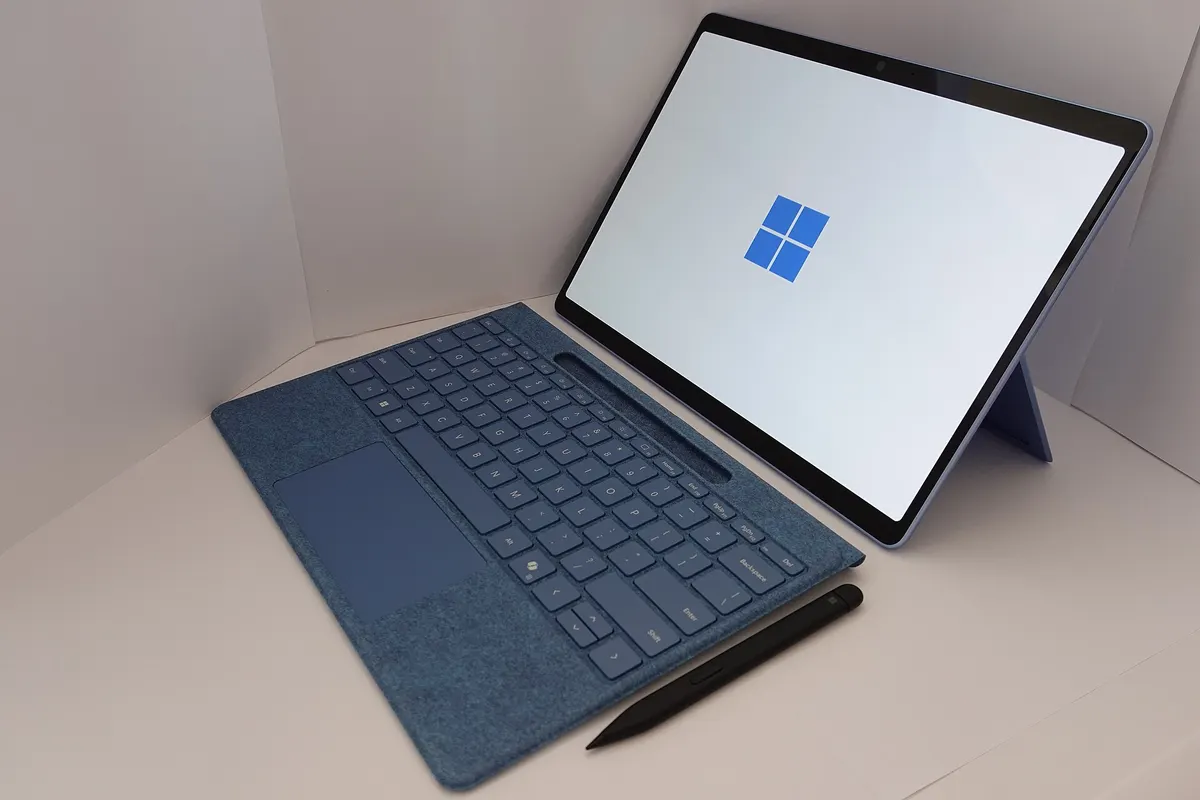
Photo: KK IN HK, Public domain / Wikimedia Commons
Microsoft announced a plan to replace third-party hardware drivers with built-in Windows options, starting with printers, to improve system reliability and reduce blue-screen crashes.
Go deeper
Want more on this story? Our research assistant searches the latest reports across the web and explains what it finds, so you get the fuller picture in one place.