
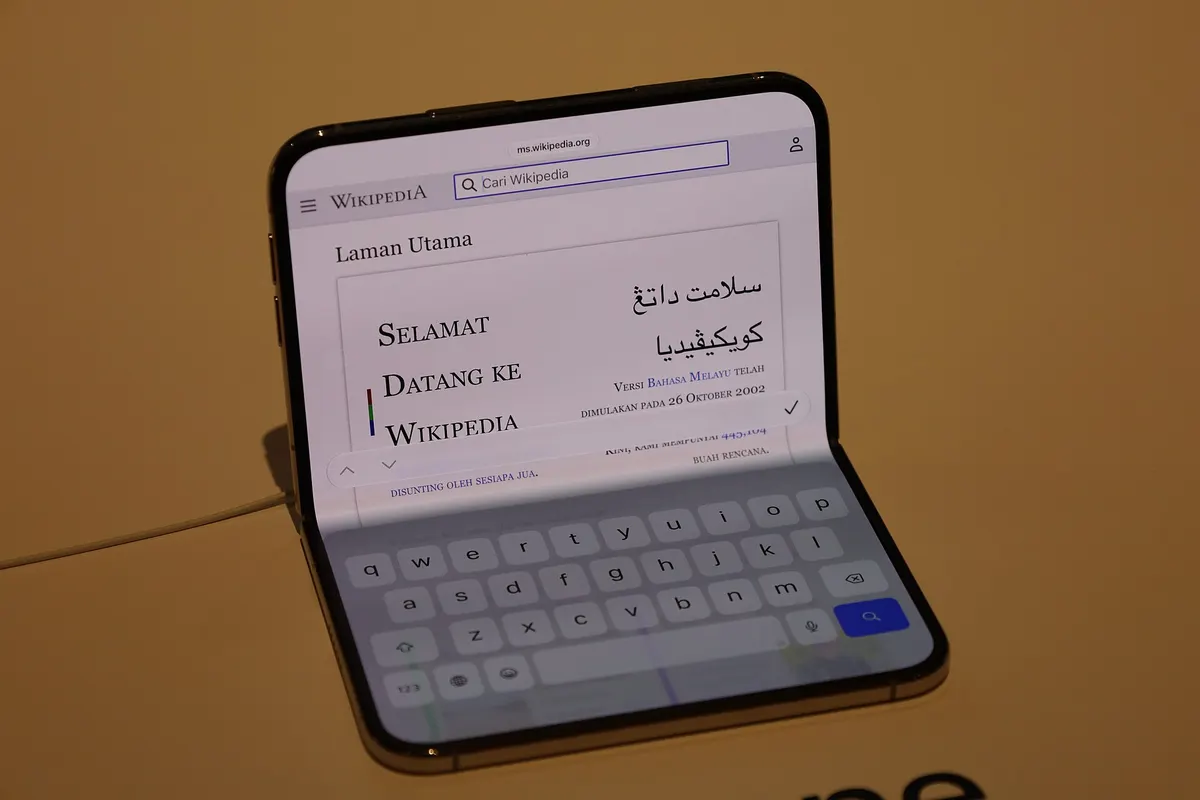
After a month of using Apple's new foldable smartphone, the iPhone Duo, reviewers who transitioned from devices like the iPhone Pro Max say the folding form factor fundamentally reshapes their daily interactions. While initial compromises like a heavier body and lesser cameras raised concerns, users report that the ability to split the screen for multitasking and the convenience of a compact closed device easily outweigh these flaws. The experience proves that foldable hardware has evolved beyond a mere novelty into a practical daily driver for both productivity and casual use.
What happened
Reviewers who replaced their traditional large-screen phones with the iPhone Duo tested the device across a full month of normal daily routines. Users found that they naturally adopted a two-tier usage habit: performing quick interactions like checking weather forecasts or replying to brief texts on the outer display, while unfolding the phone for tasks taking longer than five seconds, watching videos, or shopping. The device's multitasking features allow users to snap apps to both halves of the screen effortlessly. This enables combinations like keeping a calendar and email open simultaneously to schedule work meetings without tedious app switching, or running a social media feed alongside news reading or video streaming. Hardware-wise, reviewers noted that the screen crease remains barely visible and the hinge functions smoothly, though inner display grease accumulation near the screen fold proved difficult to remove.
Why it matters
For smartphone users accustomed to increasingly massive slab phones, the Duo demonstrates a practical shift in device ergonomics. When closed, it mimics the pocket-friendly feel of a smaller iPhone mini, making single-thumb operation easy. When opened, it functions like a miniature computer that handles side-by-side workflows on the go without requiring a separate laptop or tablet. However, the device forces users to accept specific hardware trade-offs. The camera system falls short of recent Pro Max models, lacking an advanced telephoto lens, and the battery life requires a daily charge depending on usage intensity.
The background
Foldable smartphones have gradually entered the consumer market as manufacturers look for ways to revitalize stagnant phone designs by offering flexible displays that bend in half. Apple entered this space with the iPhone Duo, introducing hardware meant to bridge the gap between pocket-friendly compact phones and large tablet-sized screens. Reviewers moving to the Duo typically transitioned from top-tier large models, testing whether Apple's software optimization and folding durability could hold up under a month of rigorous real-world use.
What happens next
Long-term reliability and market reception remain open questions as more consumers adopt the folding form factor. While early testers experienced smooth hinges and durable screens, potential screen longevity issues and consumer demand for future camera upgrades will dictate whether foldable displays become a permanent fixture in Apple's mainstream smartphone lineup.
Key takeaways
- Reviewers spending a month with the iPhone Duo found that its folding form factor fundamentally changed their everyday phone habits and app interactions.
- Users naturally split their usage between the outer display for quick tasks and the inner unfolded screen for multitasking and media.
- The device allows users to display two apps side by side, such as a calendar and email, making work workflows significantly more comfortable.
- Trade-offs include a less capable camera system compared to Pro Max models and a heavier body that feels similar to a compact iPhone mini when closed.