
Latin America is positioned to play an increasingly important role in supplying the raw materials and energy required for the global artificial intelligence boom. As data centers and electrification drive up demand for power, the region's vast natural resources have drawn intense interest from investors worldwide.
Yet, the true challenge for the region is not possessing these resources, but whether governments and companies can successfully convert them into operational projects. Infrastructure bottlenecks and a lack of local refining capacity present significant hurdles to meeting this rising global demand.
What happened
Global demand for electricity and physical commodities is surging due to the rapid build-out of artificial intelligence infrastructure. Goldman Sachs forecasts that global power demand for data centers will grow by 170% by 2030, while the International Energy Agency projected that data center electricity consumption will rise from 485 terawatt-hours in 2025 to 950 TWh in 2030. This expansion requires massive amounts of copper and power, making resource-rich Latin America a focal point.
The investment case and resource profile vary significantly across the region. Chile holds vast copper reserves, Argentina is expanding its oil and gas exports, and Brazil boasts abundant renewable power alongside significant rare earth reserves. In Chile, copper production fell 8.5% in the first nine months of 2026 due to lower ore grades, maintenance, and operational disruptions, according to state copper commission Cochilco. Despite these supply constraints, demand for refined copper is set to grow 1.6% this year and 2% next year, prompting Cochilco to raise its 2027 price forecast to $5.95 a pound from $5.10.
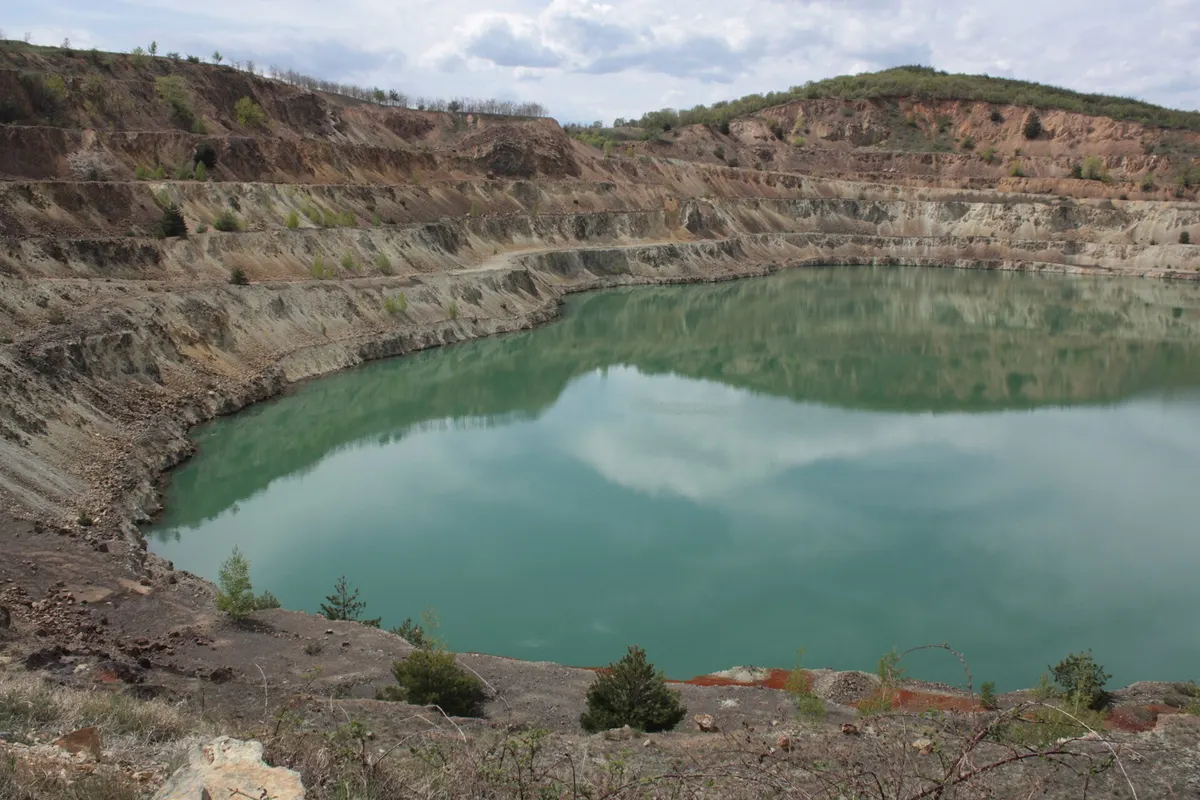
Latin America currently captures only a fraction of the value of its mined resources. According to the International Energy Agency, the region and the Caribbean refined just 26% of the copper they mined in 2025. Despite these challenges, some specific projects are moving forward. On October 28, Chilean explorer Marimaca Copper Corp selected a preferred lender for a $400 million debt facility to build an open-pit mine in northern Chile that will produce 50,000 metric tons of refined copper annually, with production expected to begin by 2029.
Argentina faces a different set of infrastructure hurdles centered around its energy exports. Although the country features strong oil and gas resources, particularly in the vast Vaca Muerta shale basin, it lacks sufficient pipeline capacity and access to ports to move production effectively to global markets. Nevertheless, international capital markets have recently reopened to investment in Argentine drilling and export infrastructure, driving the construction of new pipelines and ports. Figures such as Chevron and American oil investor Harold Hamm have increased their investments in the country.
Why it matters
Global technology companies and energy markets rely heavily on the steady flow of raw materials to construct data centers and expand electricity grids. Rafael Ch, a partner and senior analyst for Latin America and emerging markets at Signum Global Advisors, noted that as countries expand electricity grids, they need more copper regardless of which power source they choose. Without adequate supplies from regions like Latin America, the physical expansion of artificial intelligence infrastructure could face severe delays or higher costs.
For Latin American economies, the stakes involve how much economic value they can retain from their natural wealth. Monica de Bolle, a senior fellow at the Peterson Institute for International Economics, noted that improving local refining capacity will be crucial for the region to capture more of that financial value rather than simply exporting raw unrefined ore.
The background
Copper is a fundamental metal used extensively in electrical wiring, power grids, and electronic equipment, making it indispensable for modern energy transitions and data center construction. Vaca Muerta is a massive shale oil and natural gas reserve located in Argentina that holds immense potential for global energy exports but requires heavy capital expenditure in transport infrastructure to realize its full economic impact.
What happens next
Investors and analysts are watching to see if Latin American nations can overcome their domestic operational disruptions and expand their refining capabilities. Ben Kumar of 7IM noted that his firm is currently neutral in the short term, but if the materials and mining cycle continues, their stance could turn positive in a few months. Meanwhile, state-owned producers like Chile's Codelco may have additional scope to increase supply through proposed public-private partnerships.
Key takeaways
- Latin America holds critical copper, energy, and mineral resources that could support the global artificial intelligence build-out.
- Chile's state copper commission Cochilco reported that copper production fell 8.5% in the first nine months of 2026 due to lower ore grades and operational disruptions.
- Latin America and the Caribbean refined only 26% of the copper they mined in 2025, highlighting a vital need to improve local refining capacity.
- Argentina is expanding its oil and gas export infrastructure in the Vaca Muerta shale basin to overcome historical transport bottlenecks.