
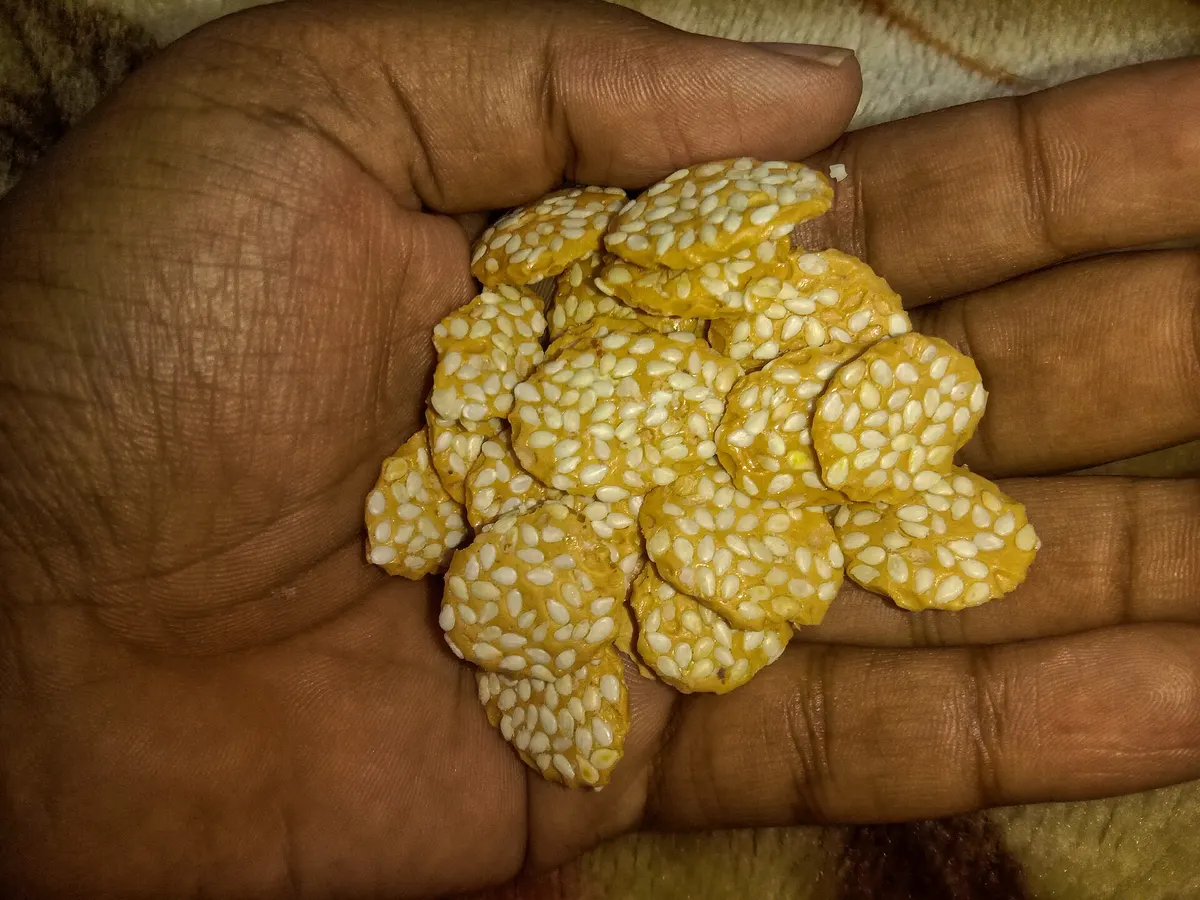
Social media has driven a new culinary focus known as 'texture-maxxing,' where consumers seek out foods that offer intense sensory experiences through contrasting textures and loud sounds.
Supermarket reports highlight that shoppers are increasingly filling their trolleys with high-contrast meals combining a crisp crunch with a chewy texture, fueled by online platforms that emphasize ASMR-inspired audio.
What happened
According to a food and drink report from British supermarket Waitrose, the sound of food has gone mainstream as content creators focus on audible eating experiences rather than traditional voiceovers. Senior Development Chef Will Torrent noted that consumers are pursuing high-contrast meals that combine a shatter-crisp crunch with a pillowy chew. Data from Nestlé's USA 2026 trends found that 75% of Generation Z and 80% of millennials actively seek out texture in their snack cravings. The TikTok hashtag 'crunchtok' has amassed 1.5 billion views, reflecting the broad obsession with audible, multi-sensory cooking.
Retail sales reflect this digital shift. Waitrose reported that jarred chili crunches saw a 13-fold sales jump, while crunchy peanut butter officially outsold smooth varieties. Dumplings also experienced a major surge, with sales of chicken gyoza jumping 116% and searches for peanut butter udon noodles rising 60%. Executive Chef Stephen Parkins-Knight explained that shoppers view dumplings as a complete sensory experience offering delicate skins, juicy fillings, and crispy skirts. Desserts also capitalized on the trend, with sales of chocolate trifles doubling compared to the previous year and strawberry trifles increasing by 160%.
Why it matters
Food producers and retailers are altering their product development to cater to consumers who view eating as a multi-sensory performance. Social media platforms like TikTok and Instagram act as primary drivers for grocery purchases, turning specific items into viral sensations. When Waitrose featured its No.1 Alphonso Mango Dessert—which requires cracking through a crisp shell to reach a smooth mousse—the accompanying videos were watched by more than two million people and generated over 6,100 hours of watch time on TikTok.
What to know
Texture-maxxing builds on a broader lineage of social media food phenomena, following previous wellness and aesthetic trends like fibermaxxing and proteinmaxxing. Items such as Dubai chocolate, protein coffee, and ube have similarly achieved massive internet success by appealing to visual and sensory novelty. Retailers are responding by highlighting multi-textured layers, audible crunches, and interactive packaging that encourages consumers to break, crack, or crunch their way through meals.
Key takeaways
- Texture-maxxing describes a food trend driven by aesthetics and taste where consumers seek multi-sensory experiences through loud crunches and contrasting textures.
- Nestlé data shows that 75% of Gen Z and 80% of millennials actively seek out texture in their snack cravings.
- Retail data reveals dramatic sales increases for crunchy foods, including a 13-fold jump in jarred chili crunches and a 116% rise in chicken gyoza.
- Social media audio, particularly ASMR-inspired sounds, has replaced traditional narrative voiceovers in popular food content.