
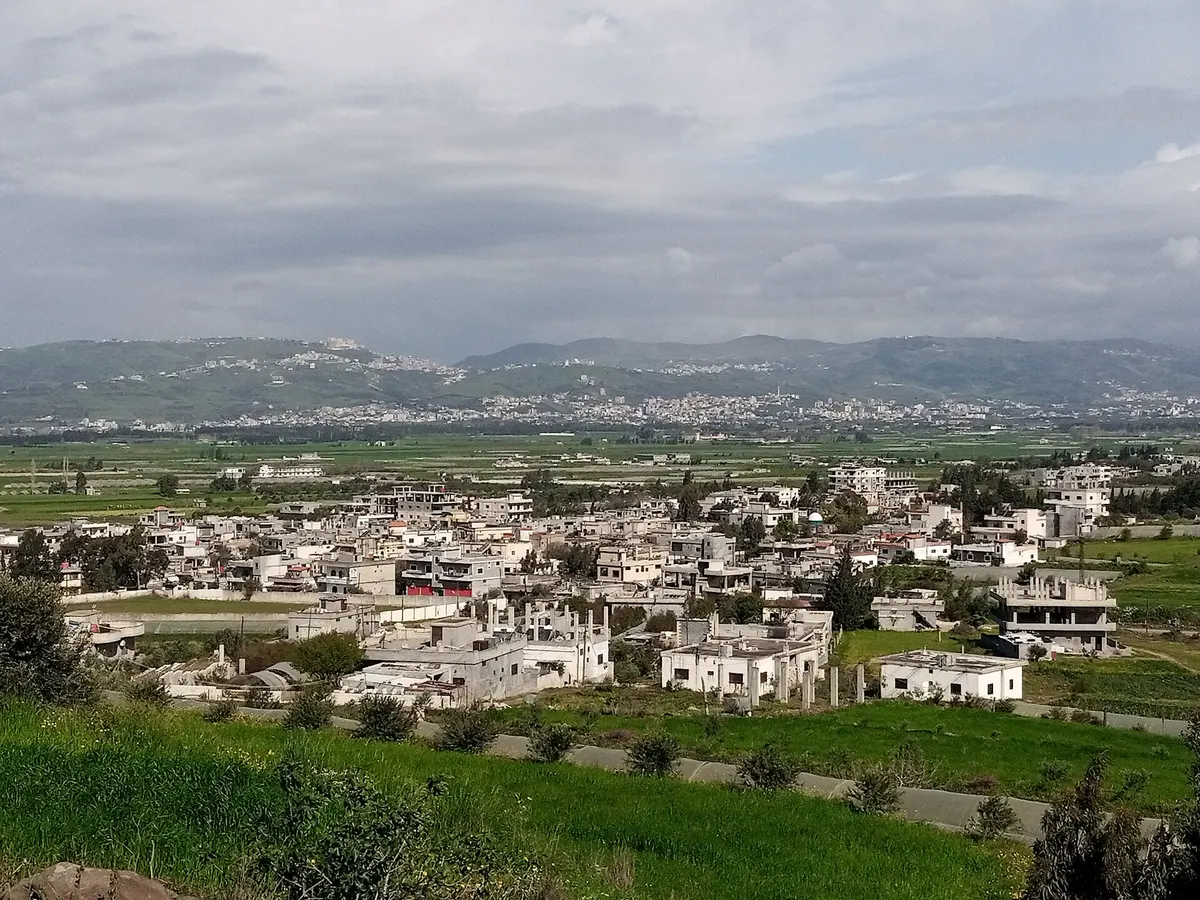
Explosive ordnance and landmines left behind from Syria's 13-year civil war have killed and injured thousands of civilians since the overthrow of former president Bashar al-Assad in December 2024. As millions of displaced residents return to former battlegrounds to farm and rebuild, casualties have spiked dramatically across the country.
The United Nations Mine Action Service has recorded 2,701 casualties from at least 1,556 incidents since Assad fell, with children accounting for nearly 1,000 of the victims. Experts warn that the true toll is significantly higher because many incidents go unrecorded.
What happened
The sharp increase in landmine and unexploded ordnance detonations coincides with massive population movements following the end of major fighting. In 2025 alone, 1,602 people were killed or injured by landmines and explosive remnants of war in Syria, representing a rise of more than 50 percent compared to the previous year. Syria recorded the second-highest casualty toll globally in 2025, behind only Myanmar.
Tragedy has struck returning families in farmland, schoolyards, and roadways. In the north-western village of Umm Khuzaym, an 11-year-old girl named Alaa was killed and her 10-year-old brother Mahmoud was seriously injured after triggering a hidden landmine while tending their family's goats. In the Hasakah region, an explosion in a school courtyard killed a 12-year-old student and injured 19 others. In southern Daraa province, an unexploded cluster munition killed a 13-year-old boy.
Civilians are frequently injured while trying to restart their livelihoods. In the Ghouta region near Damascus, 27-year-old Majid Abdul Rahman suffered severe leg injuries when his car hit an explosive device in March 2025, leaving him unable to work more than a year later.
Why it matters
The presence of scattered explosives threatens both human life and Syria's long-term economic recovery. More than 60 percent of casualties recorded by the landmine clearance charity Halo Trust involve agriculture, farming, or shepherding. Desperate to support their families, farmers and herders return to contaminated fields without waiting for official safety clearances.
Beyond farming, residents attempting to collect scrap metal or salvage building materials from abandoned areas face constant risk. Contaminated land cannot be safely cultivated, preventing rural communities from securing food and income. Survival often brings permanent disability, placing severe financial burdens on families who have already lost their homes and resources during the war.
The background
Syria's civil war raged for 13 years before ending with the fall of Bashar al-Assad on December 8, 2024. Over more than a decade of active warfare, opposing military forces scattered landmines and dropped explosive munitions across broad swathes of territory without central mapping or records.
Because explosive remnants of modern conflict are dispersed widely and without consistent patterns, clearance operations are slow and complex. Demining teams have conducted multiple sweeps in some areas, yet hidden devices frequently remain buried beyond known front lines. The Syrian Ministry of Defence reported that its clearance teams have located and handled over 315,000 mines and unexploded munitions since late 2024.
What happens next
Demining organisations face immense hurdles because Syria lacks a comprehensive nationwide survey of landmine contamination. Without knowing the full geographic extent of buried weapons, clearance agencies cannot accurately measure the scale of the threat or clear land efficiently.
Experts estimate that actual casualty numbers could be under-reported by 25 to 50 percent due to missing records in remote areas. Clearance groups and government teams will continue work in high-risk zones, but experts warn that unmapped explosives will continue to pose a deadly hazard to returning civilians for years to come.
Key takeaways
- Explosive ordnance in Syria has killed 935 people and injured 1,766 since the fall of Bashar al-Assad in December 2024.
- Children account for nearly 1,000 casualties, representing approximately 37 percent of all victims since the regime collapsed.
- More than 60 percent of casualties recorded by clearance group Halo Trust involve people engaged in farming, agriculture, or shepherding.
- Syrian defence authorities report disposing of over 315,000 mines and unexploded devices, but no nationwide survey exists to map remaining contaminated zones.