
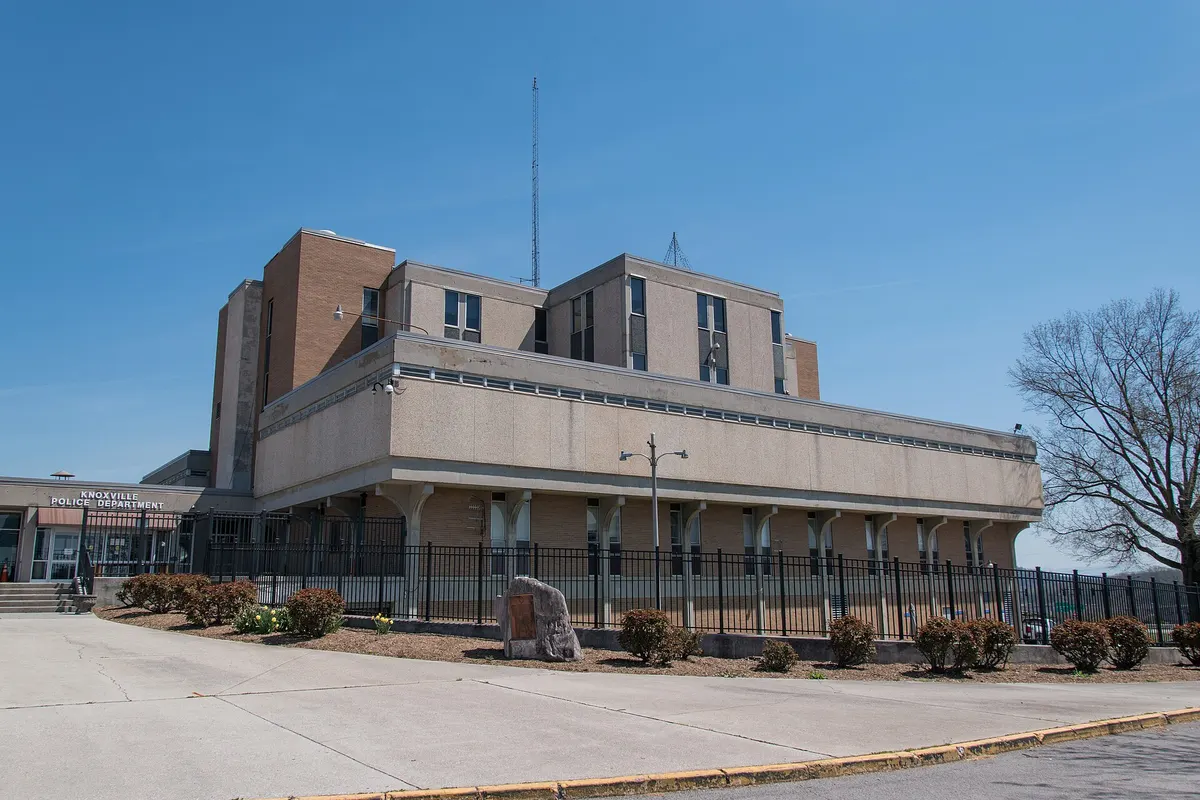
The Knoxville Police Department has announced a new "Drone as First Responder" program designed to dispatch semi-autonomous drones to emergency calls within seconds. Twelve launch docks will be placed at city-owned facilities, allowing the aircraft to reach nearly all areas of the city in 90 seconds or less. The department hopes the technology will reduce community risk and provide vital real-time situational awareness during rapidly evolving events.
What happened
The Knoxville Police Department revealed the drone initiative on its website, explaining that the program will utilize Skydio docks deployed across city-owned facilities. Although the specific drone models have not been officially confirmed, the department stated the aircraft will in many cases arrive at emergency scenes faster than dispatched police officers. The drones will not respond to every 911 call, but will instead be deployed selectively when aerial coverage can enhance public safety or assist responding officers. To address potential civil liberties concerns, the department emphasized that state law and internal policies explicitly prohibit random patrols and general surveillance. The equipment does not include license plate readers or facial recognition capabilities. Furthermore, recorded video footage will be automatically purged after 15 days unless it is officially retained as evidence for an ongoing criminal investigation or prosecution.
Why it matters
The introduction of aerial emergency responders represents a significant shift in urban policing tactics, bringing rapid tactical observation directly to active scenes. By arriving ahead of ground units, the drones can supply officers with critical visual information before they step out of their vehicles, potentially altering how they approach dangerous calls. While proponents argue this improves safety for both the public and law enforcement, privacy advocates will closely watch how municipalities handle data retention and aerial monitoring. Knoxville joins a growing number of cities turning to drone technology for emergency response, following similar industry experiments and deployments across the country.
What to know
Drone as First Responder programs represent an emerging operational model for municipal emergency services across the United States. Rather than relying solely on traditional ground patrols or traffic-bound vehicles, departments are increasingly leveraging automated launch infrastructure to gain an immediate aerial vantage point. Several other cities and tech companies have recently begun experimenting with similar automated drone deployments and Starlink-connected aerial first responder systems.
Key takeaways
- The Knoxville Police Department announced a new Drone as First Responder program utilizing 12 launch docks located at city-owned facilities.
- Semi-autonomous drones will be able to reach nearly any area of the city in 90 seconds or less to assist with rapidly evolving events.
- Department policy and state law prohibit random patrols and surveillance, and the drones do not possess facial recognition or license plate readers.
- Recorded video footage will be automatically deleted after 15 days unless it is preserved as evidence for an ongoing criminal investigation.