
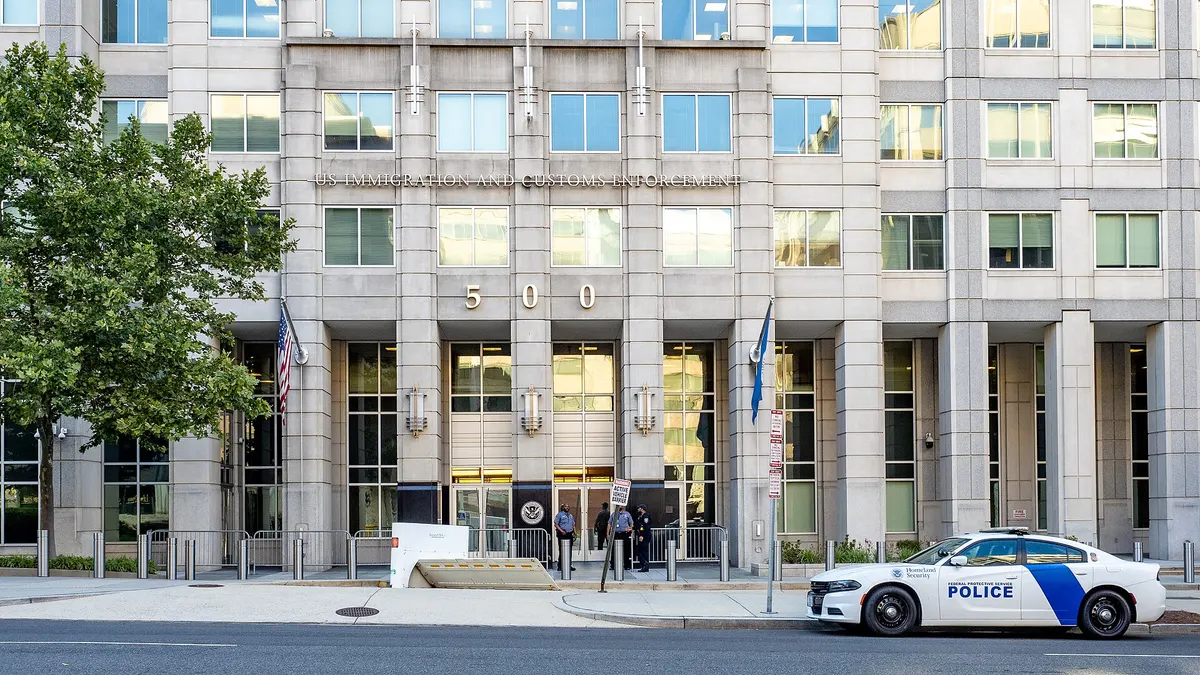
A federal judge in Colorado has ruled that immigration authorities mocked judicial authority by immediately re-arresting detainees ordered released by the courts. US District Judge Charlotte Sweeney found government officials in contempt over the policy.
The judge ultimately declined to impose further penalties because officials swore in court that they had stopped the practice. At least 18 people in Colorado faced prolonged detention or immediate re-arrest over a six-week period.
What happened
US District Judge Charlotte Sweeney issued a ruling in the US District Court for the District of Colorado addressing actions taken by the US Immigration and Customs Enforcement agency. The agency is a division of the Department of Homeland Security. Judge Sweeney stated that a new ICE policy of immediately re-detaining petitioners following release made a mockery of court orders mandating immediate release.
The court found government officials in contempt after they instantly re-arrested a man whom the judge had ordered released. According to court records, at least 18 people in Colorado were held in detention longer than permitted or were re-arrested within minutes of their judge-ordered release over a span of six weeks. Local reporting indicated that immigration attorneys estimated the actual number could be higher because some affected immigrants represented themselves in legal proceedings. Legal advocates noted that the broader trend of detainees being released and quickly re-detained has been on the rise in recent months, with some individuals targeted days later or even without leaving the detention facility.
Why it matters
The conflict highlights a direct clash between the judiciary and federal immigration enforcement regarding the rule of law and court-mandated releases. For the detainees involved, the practice meant continued confinement despite explicit legal orders granting their freedom. Human rights groups and legal advocates argue that these actions violate due process rights. The broader immigration crackdown associated with these enforcement tactics has also raised concerns among ethnic minorities regarding racial profiling and an unsafe environment.
The background
US Immigration and Customs Enforcement is responsible for enforcing federal laws governing border control, customs, trade, and immigration. ICE has served as the primary face of the immigration crackdown and deportation drive under President Donald Trump. The administration has consistently maintained that its enforcement actions aim to improve domestic security and comply with existing law. Meanwhile, political dynamics have shifted, as Democrats won majorities in both the House and Senate in midterm elections and stated their intention to hold the Trump administration accountable for its immigration policies.
What happens next
Because officials submitted a sworn statement indicating that the agency has ceased the specific practice at issue, Judge Sweeney declined to take further legal action regarding the contempt finding. ICE and the Department of Homeland Security did not immediately respond to requests for comment regarding the judge's statements. It remains unclear whether legal advocates will pursue further oversight or if similar challenges will emerge in other federal court districts.
Key takeaways
- A federal judge in Colorado found immigration officials in contempt for instantly re-arresting a man ordered released by the court.
- Judge Charlotte Sweeney stated that the agency made a mockery of court orders mandating immediate release.
- At least 18 people in Colorado were held past their release date or re-arrested within minutes over a six-week period.
- The judge declined further penalties because officials swore in court that they had ceased the practice.