
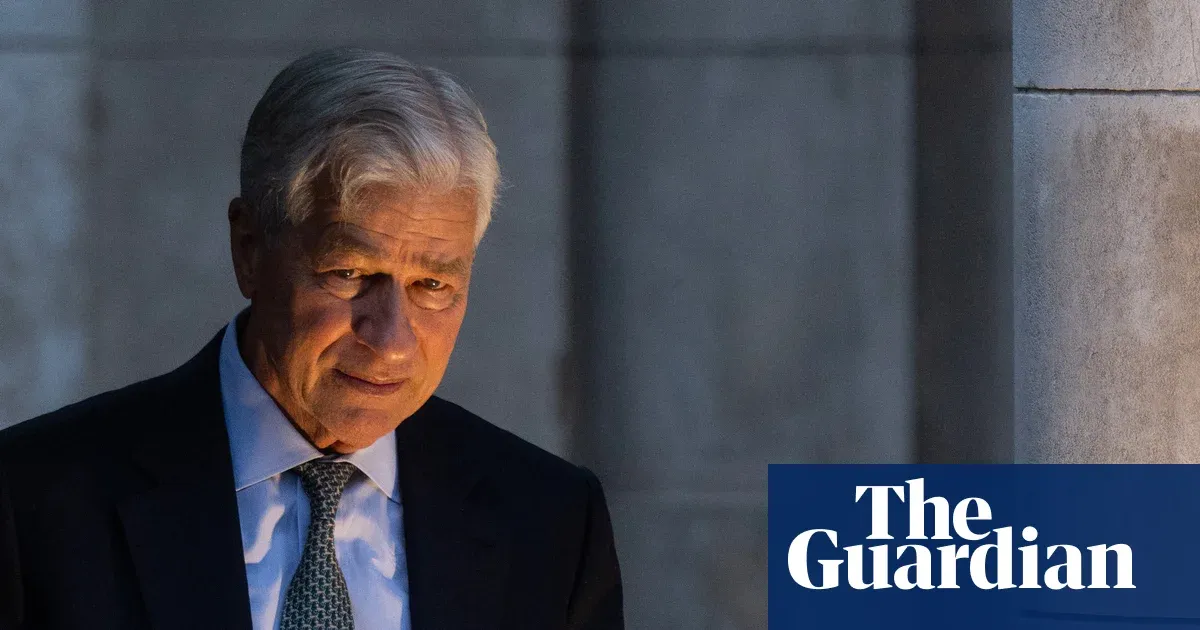
JP Morgan chief executive Jamie Dimon has criticized the UK government's decision to increase taxes on banks, calling the move unfair and warning that it carries negative trade-offs. Speaking at an event in London, Dimon stated that he intends to find ways to offset the additional financial burden imposed by the state.
The policy at the center of the dispute is a temporary 15-month bank surcharge increase announced by Chancellor John Healey. Dimon remarked that his decision to claw back the money was taken more in sorrow than in anger, aiming to set an example so that governments understand the consequences of targeting specific financial sectors.
What happened
During his inaugural budget in October, Chancellor John Healey announced a temporary measure to double the surcharge on bank profits above £100m from 3% to 6%, effective in January. The policy was introduced to help fund breathing space for British families and provide immediate support on energy bills. Following the announcement, bank share prices actually rallied because the increase was less severe than many in the industry had anticipated.
However, major banking institutions strongly objected. JP Morgan, the largest bank in the United States, expects to pay an additional £100m to £120m or more due to the higher surcharge. The bank previously stated that the policy lacks principle for singling out the sector in a competitive global marketplace. Dimon has repeatedly lobbied Labour against raising taxes on lenders and used his recent London appearance to declare that he would set an example in recovering the added costs.
Why it matters
The dispute highlights the tense relationship between the UK government and major international financial institutions operating within the country. JP Morgan employs 23,000 people in the UK, including over 5,300 staff at a campus in Bournemouth that processes more than $1tn in daily global transactions. Measures that single out banks can influence corporate decisions regarding long-term investments, staffing, and regional headquarters.
Dimon's comments also renew scrutiny surrounding JP Morgan's proposed £3bn headquarters tower in the Canary Wharf district of London. While a source familiar with the matter previously indicated that plans for the massive building were moving forward despite the budget announcement, the bank has maintained that the project depends on a positive business environment in the UK.
The background
Bank taxation in the UK involves multiple layers. Alongside the standard corporation tax rate of 25%, lenders face a separate surcharge on their UK balance sheets. According to reports from the Telegraph, the combination of these taxes means major British banks face a total tax rate of 31%, the highest level since at least 2015. JP Morgan claims it has paid £5.5bn in bank taxes since 2011.
Dimon has previously warned of adverse consequences if the government targeted lenders with fresh windfall taxes. The Office for Budget Responsibility estimated that the higher tax rate will bring in an extra £1.5bn for the Treasury while potentially causing the UK to lose roughly £190m of corporate profits as a result.
What happens next
The bank surcharge increase is scheduled to take effect in January as a temporary 15-month measure. It remains entirely unclear precisely how JP Morgan will make up for the extra cost or what specific actions the bank will take to claw back the funds. The future of the £3bn Canary Wharf tower project also remains subject to the bank's assessment of the UK business climate.
Key takeaways
- JP Morgan chief executive Jamie Dimon criticized the UK government's temporary bank tax increase as an unfair penalty.
- The bank surcharge on profits above £100m is set to rise from 3% to 6% in January.
- JP Morgan expects to pay between £100m and £150m more in taxes due to the policy change.
- Dimon stated he will set an example by finding ways to claw back the additional costs.