
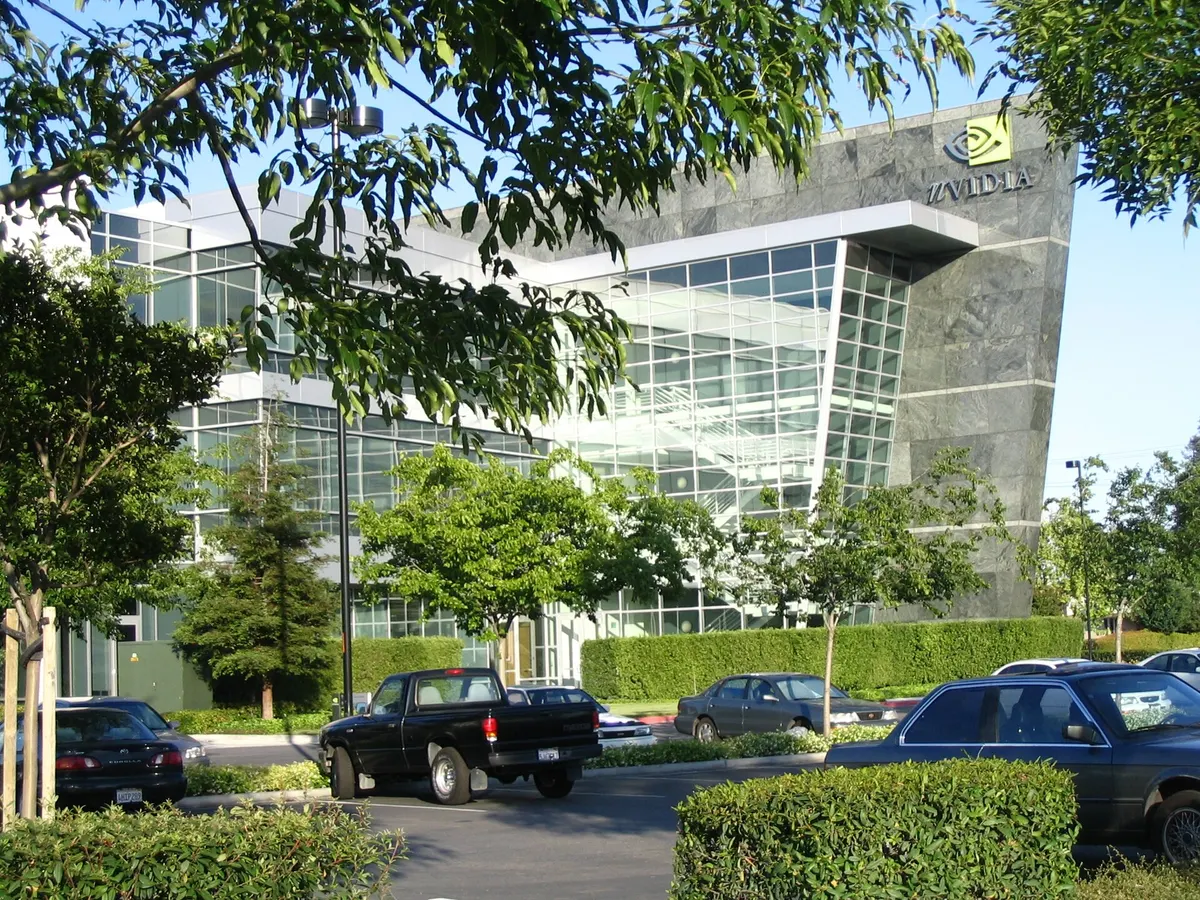
Nvidia Chief Executive Officer Jensen Huang told employees during an internal meeting that the company's unique structure makes traditional succession planning unnecessary. His remarks followed his rapid reinstatement to the role just weeks after stepping down over personal conduct disclosures.
The meeting marked Huang's first address to staff since returning to lead the chipmaker. He acknowledged personal mistakes and expressed remorse to the workforce.
What happened
During a one-hour companywide meeting, Huang apologized to Nvidia employees for breaching the company's code of conduct. He told staff that he let them down, stating that he made terrible mistakes and hurt the organization. Huang initially resigned on November 12 after disclosures regarding personal behavior, including reported extramarital affairs such as one with a Chinese businesswoman alleged to be a Beijing spy. Nvidia's board reinstated him as CEO on Monday after reviewing the facts and receiving assurances from the Trump administration that he posed no national security risk. Addressing questions of corporate continuity during the meeting, Huang dismissed the need for a succession plan, arguing that creating one would introduce unnecessary hierarchy into an organization designed with multiple capable leaders managing different departments.
Why it matters
As the architect of Nvidia's dominance in artificial intelligence hardware, Huang's personal conduct and position at the company directly impact market confidence and operational stability. Nvidia shares experienced massive volatility, suffering their worst week since 2008 following his resignation before surging over 30% when his return was announced. The debate over his refusal to outline a succession plan highlights vulnerabilities in companies heavily dependent on a single high-profile founder, drawing scrutiny from corporate governance experts about how the semiconductor giant will manage leadership continuity.
The background
Jensen Huang co-founded Nvidia in 1993, building it from a graphics chip designer into one of the world's most valuable technology companies, which now supplies crucial hardware for the global artificial intelligence boom. Known for his flat organizational structure and hands-on management style, Huang runs the company with dozens of direct reports rather than a traditional corporate hierarchy. Prior to his brief departure, the company's board chair Harvey Jones stated that Huang resigned due to behavior inconsistent with cultural norms and company standards, prompting an internal investigation that ultimately led to his return after administration officials provided intelligence input to the board.
What happens next
It remains unconfirmed how Nvidia's board intends to address long-term leadership planning given Huang's rejection of a formal succession framework. While the company's stock recovered part of its value upon his reinstatement, market observers and corporate governance professors anticipate ongoing scrutiny from legal and financial analysts regarding the firm's structural resilience.
Key takeaways
- Nvidia CEO Jensen Huang told employees during his first meeting back that the company does not need a traditional succession plan.
- Huang resigned on November 12 following disclosures regarding personal behavior inconsistent with company standards.
- Nvidia's board reinstated Huang on Monday after receiving assurances from the Trump administration regarding national security risks.
- Nvidia shares experienced severe market volatility, sliding after his initial departure before surging more than 30% upon news of his return.