
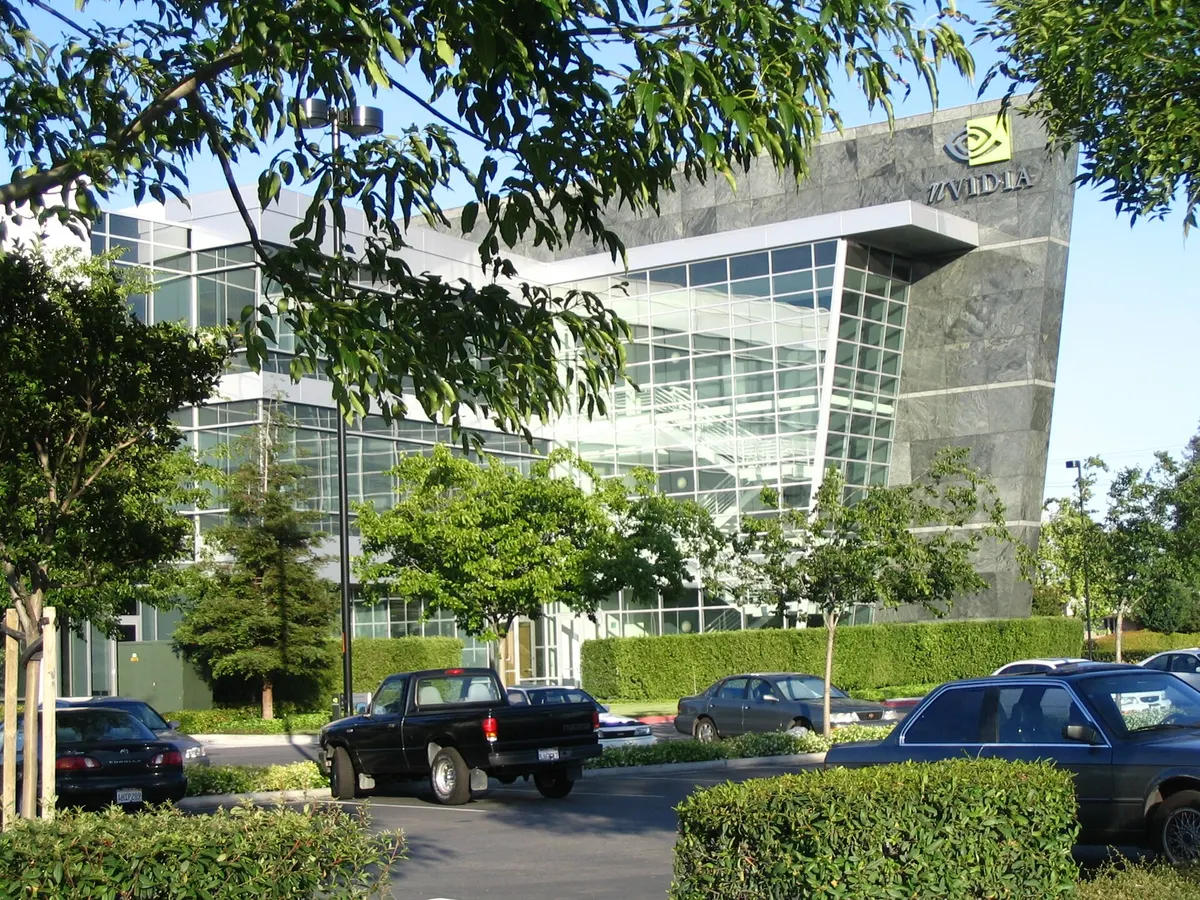
Jensen Huang is back at the helm of Nvidia just days after his abrupt resignation shook the global technology sector. His rapid reinstatement followed direct lobbying from U.S. President Donald Trump, highlighting the intense geopolitical competition surrounding artificial intelligence and the human talent driving it.
While semiconductor export controls have dominated discussions about the U.S.-China technology rivalry, experts and political leaders argue that retaining elite engineering and research minds is equally critical. Huang's brief exit triggered hundreds of billions of dollars in market valuation losses before his return sent shares surging once again.
What happened
Jensen Huang resigned as the CEO of Nvidia on November 12 after the board accepted his resignation following reports of extramarital affairs. One relationship involved Alice Huang, a former executive at Singapore-based data center company Megaspeed, which faces federal investigations for possible violations of U.S. export controls. The other two relationships involved Nvidia employees. The departure wiped out hundreds of billions from Nvidia's market value and created a general slump across tech stocks, renewing fears of an imminent artificial intelligence market bubble. Nvidia chairman Harvey Jones stated during a third-quarter earnings call that the board had no plans to reinstate Huang despite intense external pressure.
That stance shifted within days. Shortly before the market opened on a Monday, the Nvidia board unanimously voted to bring Huang back as CEO. The board noted that it received input from senior U.S. government officials, including President Trump, who reportedly dialed into a board meeting to advocate for Huang's reinstatement. Over the weekend, Trump had directed Vice President JD Vance to speak with Huang and collaborate with the board. Trump later posted on Truth Social praising Huang as a national treasure and critical to the U.S. economy, while dismissing national security concerns. Nvidia shares rebounded by more than 30 percent following the announcement.
Why it matters
The episode underscores how the broader technological race between the United States and China extends far beyond microchips into human capital. Trump warned that without intervention, Huang could have hypothetically taken a job in China, where firms would give him whatever he desired. Industry analysts note that China has rapidly advanced its engineering and research talent, even surpassing the United States in its share of global artificial intelligence talent over a short three-year span according to Carnegie Endowment research.
While some analysts suggest Huang's deep loyalty to America and legal restrictions would prevent him from aiding foreign competitors, others point out that global recruitment is fiercely competitive. Chinese startups and technology giants aggressively target top-tier Western engineering talent with lucrative salary packages and stock options, turning the human layer of technology infrastructure into a major strategic battleground.
The background
Jensen Huang founded Nvidia over thirty years ago as a creator of gaming graphics processing units. Over the decades, those semiconductors evolved to serve broader computing purposes, powering cryptocurrency mining operations and eventually the training of massive, cutting-edge artificial intelligence models. Over the last four years, the U.S. government has restricted China's access to advanced Nvidia semiconductors. However, the rise of Chinese artificial intelligence models like DeepSeek in early 2025 upended assumptions that trade controls could permanently keep Chinese capabilities far behind the West.
Huang's brief departure places him alongside other prominent technology executives who staged dramatic comebacks, such as Sam Altman at OpenAI, Steve Jobs at Apple, Bob Iger at Disney, and Jack Dorsey at Twitter.
What happens next
With Huang firmly back in charge, attention has turned to whether the United States or China will introduce new policy restrictions to prevent artificial intelligence engineers from moving across borders. While policy analysts expect limited immediate regulatory changes, experts are watching whether nations like Singapore and South Korea might attract displaced talent. Meanwhile, major technology firms continue to navigate a global market where engineering wages vary significantly across international jurisdictions.
Key takeaways
- Jensen Huang returned as Nvidia CEO less than two weeks after resigning over personal conduct reports.
- President Donald Trump and senior U.S. government officials directly pressured the Nvidia board to reinstate Huang, citing national security assurances.
- Nvidia shares surged more than 30 percent following the announcement of Huang's reinstatement.
- Analysts note that the U.S.-China artificial intelligence race is increasingly focused on retaining top engineering and research talent rather than just physical semiconductors.