
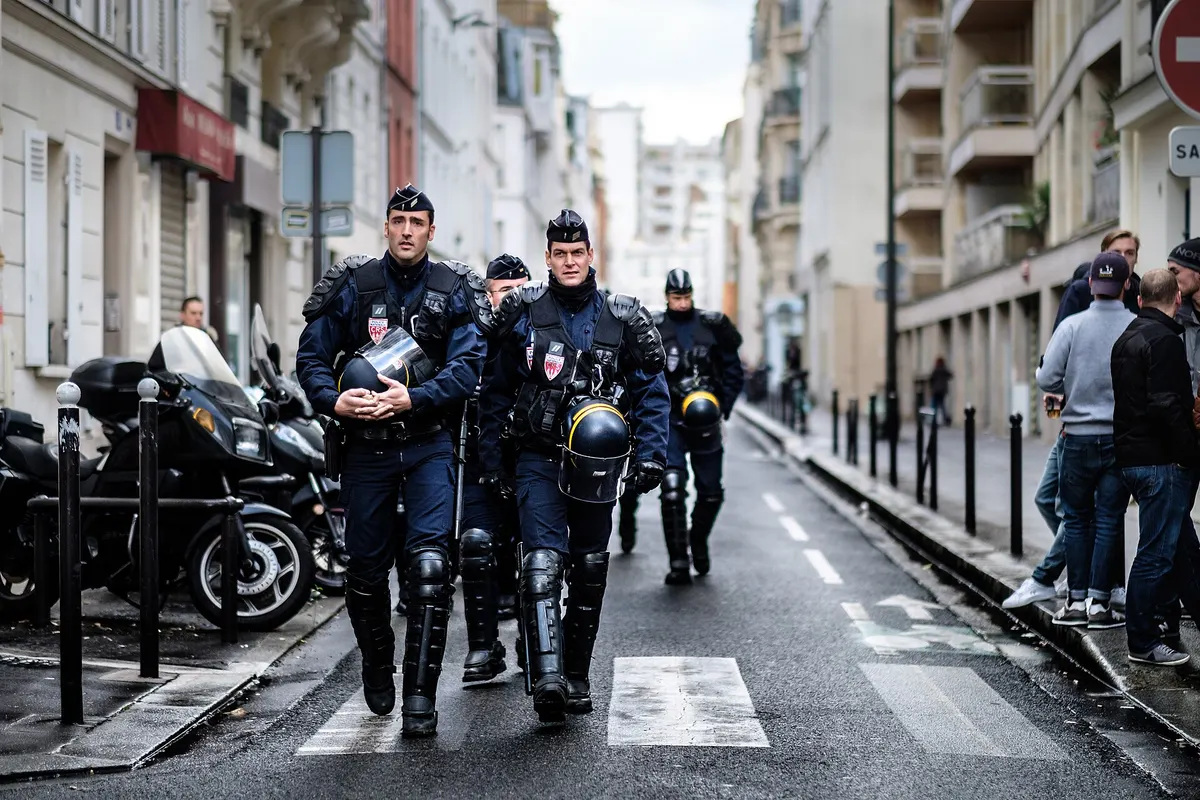
France is experiencing intense social unrest marked by student-led protests that have frequently descended into looting and clashes with law enforcement. The demonstrations, now in their sixth consecutive weekend, are fuelled by anger over soaring living costs, deteriorating public services, and alleged police brutality. President Emmanuel Macron has publicly accused delinquents and ultra-left groups of orchestrating the riots to destabilise the French Republic, setting off a fierce political debate ahead of upcoming national elections.
While political parties across the spectrum argue over who is to blame for the crisis, reporters on the ground have sought to understand the individuals participating in the unrest. The demonstrations typically feature the Black Block, a quasi-uniformed contingent of protesters wearing black and ski masks who emerge as daytime protests end and riot police deploy.
What happened
The unrest escalated significantly following major riots that caused widespread destruction to shops and private property. The French Insurers Federation estimated damages from a single day of rioting, October 17, at approximately €207 million, which is roughly £175.5 million. French intelligence services reportedly underestimated the initial outpouring of anger. Subsequent clashes have left more than 1,000 police officers injured, alongside numerous protesters suffering broken bones and severe injuries from police stun grenades, prompting ongoing investigations by newspapers such as Le Monde.
In response to the violence, French authorities have imposed a heavy police presence around demonstrations, utilizing batons, tear gas, and stun grenades to contain crowds and manage would-be rioters armed with glass bottles and homemade paint bombs. Attempts to interview participants on the streets revealed a fragmented landscape. Masked teenagers from the economically deprived banlieues on the outskirts of French cities defended their presence and violence as a necessary tool to make their voices heard, insisting they were driven by local deprivation rather than formal political organizing by the radical left. Meanwhile, masked student activists displaying anarchist and anti-fascist symbols attempted to distance their movements from the rioting, arguing that violence ultimately harms their broader political objectives.
Why it matters
The ongoing unrest has profound political and economic consequences for France. With a lame-duck president and key presidential and parliamentary elections approaching, the crisis has become a central political battleground. The political left blames the center and right for the cost-of-living squeeze fueling public anger, while the nationalist right campaigns on promises to restore strict law and order. Beyond politics, the physical and financial toll is immense: hundreds of millions of euros in property damage have devastated local businesses, and escalating street violence has strained relations between communities and law enforcement.
The background
France has a long and robust cultural tradition of public protest and labor action. However, recent years have seen growing frustrations over economic inequality, regional disparities, and the cost of living. The banlieues—sprawling housing estates on the fringes of major French cities—have historically been centers of socioeconomic deprivation, high unemployment, and tensions with authorities, frequently serving as focal points for civil unrest involving younger generations who feel excluded from mainstream French society and economic prosperity.
What happens next
With President Macron nearing the end of his term and crucial national elections scheduled for next year, the political fallout from the protests remains highly volatile. Authorities are attempting to manage ongoing demonstrations with stringent policing, but whether social tensions will abate or further escalate ahead of the elections is unknown.
Key takeaways
- France has endured six consecutive weekends of protests driven by soaring prices and deteriorating public services.
- President Emmanuel Macron has blamed the escalating street violence on delinquents and ultra-left groups attempting to bring down the republic.
- Property damage from a single day of riots on October 17 reached an estimated €207 million, according to the French Insurers Federation.
- Clashes with law enforcement have left more than 1,000 police officers injured alongside numerous protesters.