
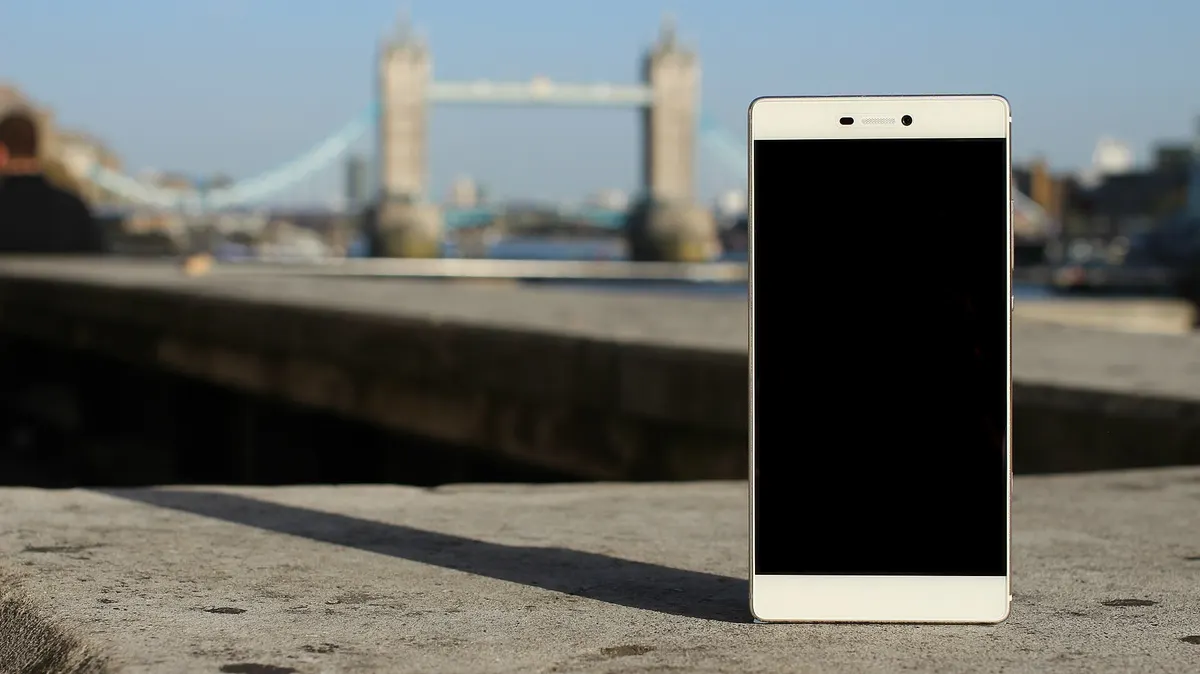
Huawei’s new sub-brand, Osta, has officially entered the market with the launch of the O1 Pro smartphone in China. The device introduces a distinctive wide-screen slab form factor, combining the cover screen width of a foldable phone with traditional candybar smartphone design.
The handset runs on Huawei's Kirin 9030S processor and features a 6.39-inch, 120Hz OLED screen with a 16:9.5 aspect ratio. It is priced starting at CNY 5,499 and goes up to CNY 8,799 depending on the configuration, with early promotional discounts currently available in China.
What happened
The Osta O1 Pro arrives shortly after Huawei launched the Pura X View in China, sharing similar internal hardware and dimensions with that earlier model. The O1 Pro measures just 6.68mm thick and weighs approximately 200 grams. Its 6.39-inch flat display has a 1.5K LTPS resolution and narrow bezels. For photography, the phone is equipped with a 200MP primary sensor, a 50MP 3.7x telephoto unit, and Huawei’s proprietary Red Maple sensor designed for color accuracy. Internal operations are powered by the Kirin 9030S processor running HarmonyOS 7, alongside a side-mounted fingerprint scanner. The device is backed by a substantial 7,000mAh battery supporting 66W fast wired charging. Customers in China can purchase the O1 Pro in four memory and storage configurations: 12GB/256GB, 12GB/512GB, 16GB/512GB, and a top-tier 16GB/1TB model. Promotional pricing on Vmall offers a CNY 200 discount across all variants, bringing the entry-level price to CNY 5,499 and the maximum specification to CNY 8,799.
Why it matters
The introduction of the O1 Pro signals that major smartphone manufacturers are taking the wide-screen slab form factor seriously as a viable new design trend. By merging the proportions of foldable cover screens into a standard slab phone, brands are catering to consumers who want expanded horizontal display real estate without purchasing a folding device. Furthermore, the positioning of Osta as a high-end label—initially intended for international markets under the translated name Xingmang—indicates how component pricing and memory costs are driving manufacturers to align sub-brand offerings directly with flagship tier hardware rather than mid-range alternatives.
The background
Huawei is a major global technology and telecommunications company based in China, known for developing smartphones, mobile infrastructure, and its proprietary HarmonyOS operating system. Due to trade restrictions and geopolitical constraints, recent generations of Huawei-branded devices have relied on homegrown processors like the Kirin series instead of American or Western semiconductor technology. The creation of the Osta sub-brand represents an effort to introduce alternative hardware designs, though reports indicate that wide-screen handsets will eventually appear across Huawei's core product lineup as well.
What happens next
Osta has not yet revealed concrete plans to release the O1 Pro in global markets, leaving its international availability uncertain for now. Meanwhile, industry tipsters and reports suggest that Osta is also preparing a standard Osta O1 model featuring a quad-curved display and a circular camera module. Beyond Huawei and its new sub-brand, market rumors indicate that other Chinese manufacturers such as Xiaomi, vivo, and former Huawei subsidiary Honor may also adopt the wide-screen slab form factor in upcoming product releases.
Key takeaways
- The Osta O1 Pro features a distinctive 6.39-inch wide-screen display with a 16:9.5 aspect ratio.
- The smartphone is powered by Huawei's Kirin 9030S processor and runs on HarmonyOS 7 software.
- Pricing in China ranges from CNY 5,499 for the entry-level model to CNY 8,799 for the top-tier 16GB/1TB version.
- Osta has not yet announced any official plans to release the O1 Pro smartphone in global markets.