
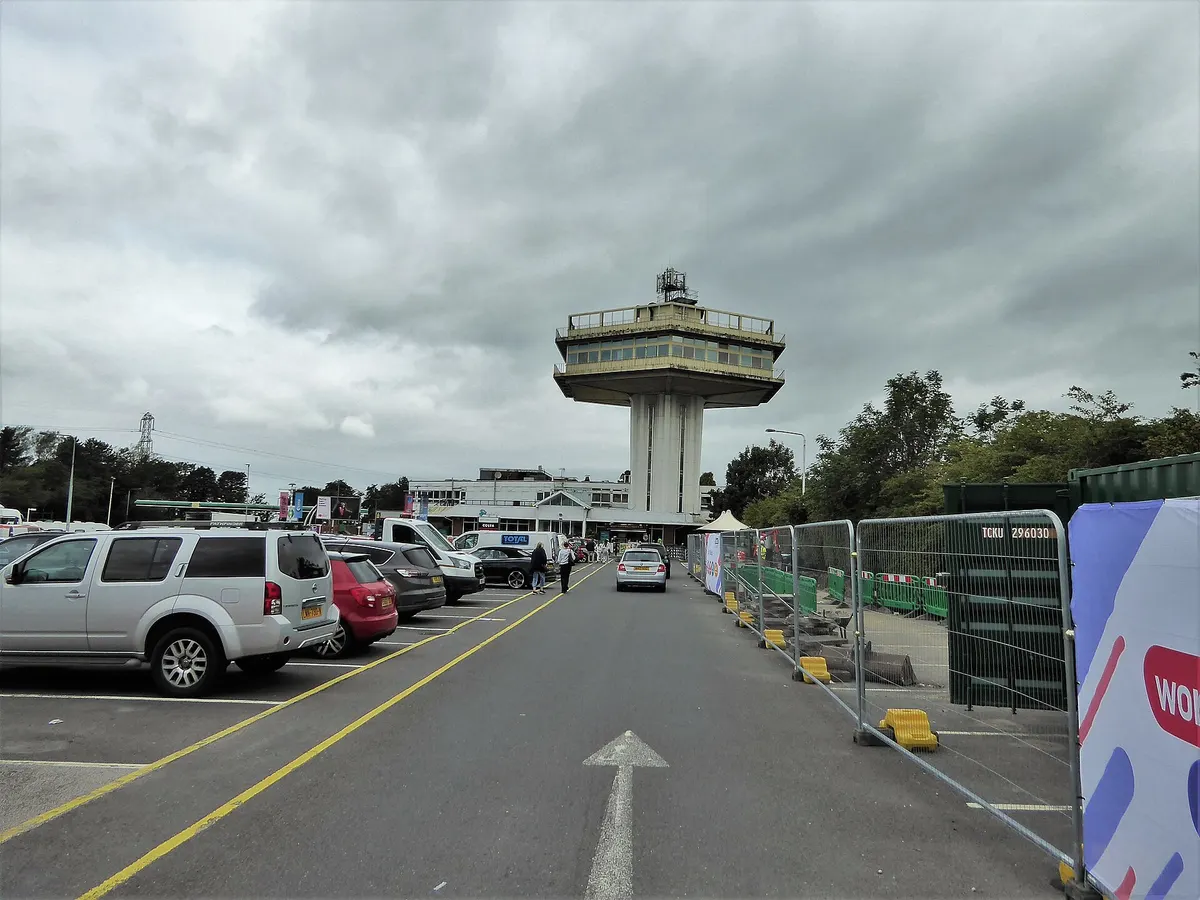
Motorway service stations have served as roadside retreats for more than six decades, but their role is shifting significantly. Rather than just offering a quick break during a long drive, modern sites are increasingly functioning as destinations in their own right. Drivers now find everything from soft play areas and gyms to diverse retail outlets at these roadside locations.
A recent survey by the watchdog Transport Focus ranked 123 UK service stations. A Welcome Break site near Rotherham, which opened in January 2025, came out on top with a 99% satisfaction rating among the 37,000 visitors who shared their views, despite a number of operators choosing not to take part in the annual review.
What happened
The transformation of these sites is visible in how travelers use them. At the Rotherham location, visitors can use a covered square surrounded by stone buildings, a doggy exercise area, and a gym specifically for heavy goods vehicle drivers. This modern setup contrasts sharply with older facilities, such as the Watford Gap services in Northamptonshire. Opened in 1959 on the same day as Newport Pagnell Services, Watford Gap was ranked last in the recent Transport Focus survey, though it still achieved a respectable 86% satisfaction rating.
Content creators and social media have amplified this shift. Motoring enthusiast Richard Cross, known online as "The Services King," notes that increased coverage on platforms like TikTok has raised the profile of motorway service areas. Videos of the Rotherham site have accumulated over 500,000 views. According to Cross, operators have had to improve their offerings to cater to these new audiences who expect better quality products and value for money.
Why it matters
Retail expert Jonathan De Mello explains that the changing function of service stations helps increase dwell times through a mix of different operators. With new residential housing developments often built further outside cities with limited access to traditional retail, these service stations are stepping in to act as hubs for local convenience. Traditional high street traders now operate at these motorway sites, turning them into practical stops for groceries, health and beauty products, and local residents looking for nearby retail options.
The background
The UK's motorway service station network dates back to 1959 with the opening of pioneering sites like Watford Gap. For decades, drivers chose their stops primarily using physical maps, knowing little about what facilities would actually be available upon arrival. Over the years, certain stations became famous for specific offerings, such as Tebay's Cumberland sausage rolls or Gloucester's farm shop produce. Newer facilities have leaned further into this trend by building big, airy structures designed to let in natural light, moving away from the more compact, utilitarian architecture of earlier decades.
What happens next
As modern travel and traffic demands continue to shift, operators are expected to keep investing in larger, brighter buildings with expanded amenities. However, older sites will face ongoing pressure to modernise as visitors' expectations for choice, quality, and local convenience continue to rise.
Key takeaways
- A newly opened Welcome Break site near Rotherham secured a 99% satisfaction rating to rank as the UK's favourite service station in a Transport Focus survey.
- Social media coverage, particularly on TikTok where videos of modern sites draw hundreds of thousands of views, has helped raise the profile of motorway services.
- Retail expert Jonathan De Mello notes that service stations are increasingly acting as local convenience hubs for nearby residential developments lacking high street access.
- Older facilities like the 1959 Watford Gap services face challenges as their more compact buildings struggle to match modern-day expectations for space and natural light.