
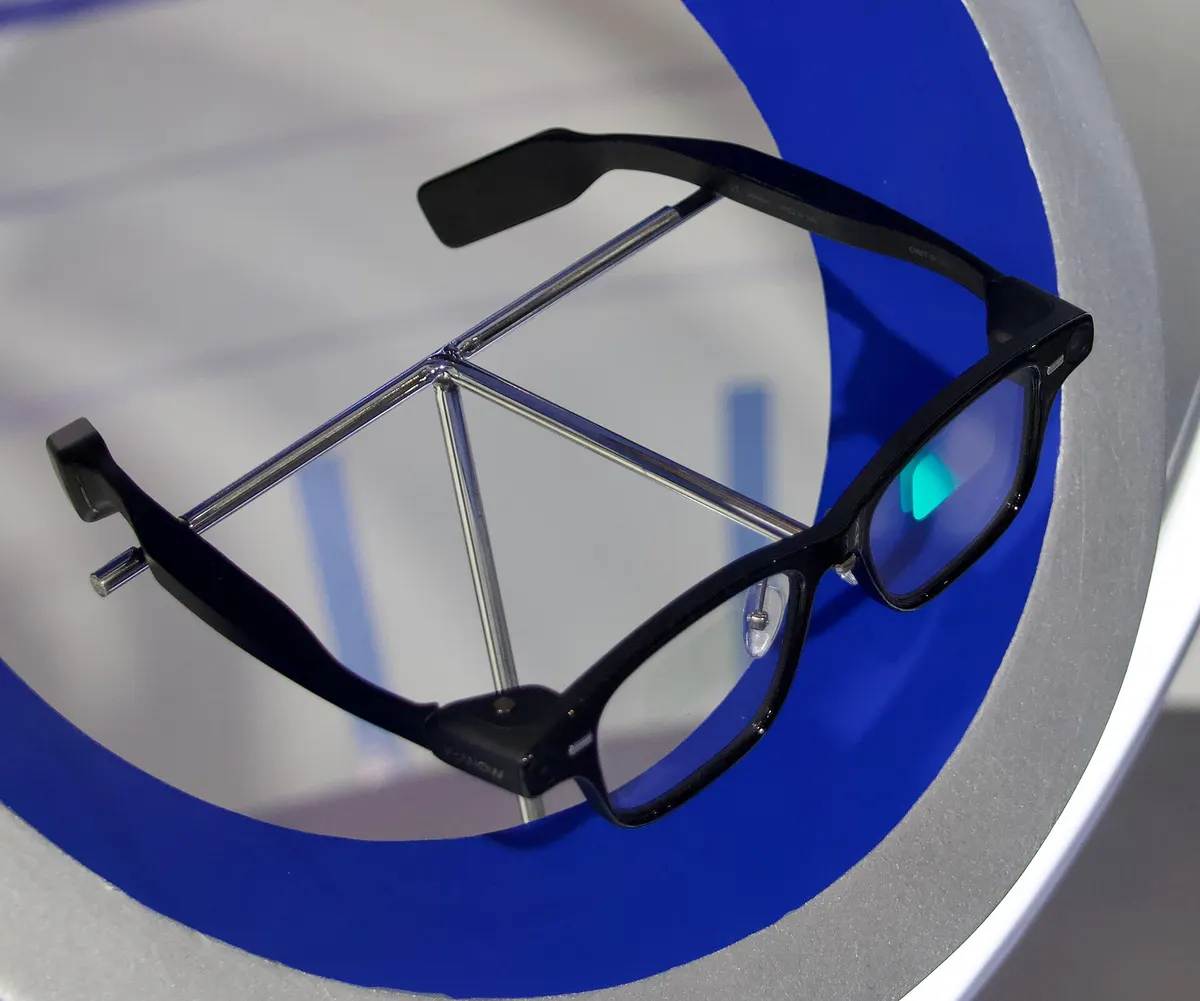
Smart glasses with built-in waveguides are increasingly used as portable teleprompters, allowing users to deliver speeches and presentations while maintaining natural eye contact. Devices like the XGIMI MemoMind One and the Even Realities G2 project text directly into the user's field of view without needing a traditional, bulky setup.
These devices utilize automated scrolling features driven by artificial intelligence to match the speaker's cadence. Because the text is projected through discreet monochrome prisms, the script remains invisible to anyone standing nearby, making it a viable tool for public speaking and mobile content creation.
What happened
Users can enable teleprompter modes on compatible smart glasses by loading a script into a companion mobile application. The Even Realities G2 supports PDF, plaintext, and DOCX files, whereas the XGIMI MemoMind One currently handles only TXT and DOCX file formats. Once the script is loaded, the text is beamed onto the glasses' microLED-based waveguides.
Both devices feature an auto-follow function that relies on artificial intelligence to listen to the user's voice, automatically adjusting the speed of the text based on their speaking cadence. Alternatively, users can choose a manual scroll speed set to specific words per minute. The projected display also shows helpful metadata like elapsed time, current time, and the battery level of the glasses.
Hardware design varies between the two models. The XGIMI MemoMind One features a physical button beneath the right hinge for easy navigation, along with a comfortable fit and built-in audio tuned by Harman. Conversely, the Even Realities G2 uses a touch-sensitive gesture surface at the temple tips for controls, which can occasionally register inputs awkwardly. Weighing under 50 grams each, both models offer lightweight mobility and bright monochrome displays suited for outdoor use.
Why it matters
Traditional teleprompters are stationary, bulky, and require specific physical environments to operate effectively. Smart glasses remove these physical limitations by keeping the teleprompter moving alongside the speaker, granting total mobility during presentations or video recordings.
For professionals, content creators, or public speakers, this technology enables natural eye contact with an audience or a camera lens without the need to memorize long scripts. The absence of a camera on models like the MemoMind One and Even G2 also helps bypass the social stigma often associated with wearing smart eyewear in public spaces.
The background
Smart glasses have evolved from early, camera-heavy prototypes that faced privacy backlash into more specialized, utilitarian hardware. Devices utilizing built-in waveguides—transparent optical structures that project digital images into the user's line of sight—represent a growing shift toward practical everyday applications like real-time translation, notifications, and navigation.
Concurrently, software-based teleprompter tools have integrated speech recognition technology to move away from rigid, fixed-speed scrolling. Applications like Teleprompter.com use on-device artificial intelligence features, such as VoiceGlide, to pause and resume script scrolling dynamically according to spoken voice patterns.
What happens next
As manufacturers continue to refine wearable waveguide technology, developers are expected to expand file compatibility, control mechanisms, and artificial intelligence speech-tracking accuracy for smart eyewear. It remains to be seen whether mainstream adoption will embrace smart glasses as primary production tools for professional broadcasting and public speaking.
- Smart glasses equipped with built-in waveguides can function as discreet, portable teleprompters for public speaking and presentations.
- Models like the XGIMI MemoMind One and Even Realities G2 weigh under 50 grams and project text directly into the user's field of view.
- Artificial intelligence-driven auto-follow features adjust the scrolling speed of the script dynamically based on the user's speaking cadence.
- Physical control buttons or temple gesture touchpads allow users to navigate their scripts easily while maintaining eye contact with an audience.