
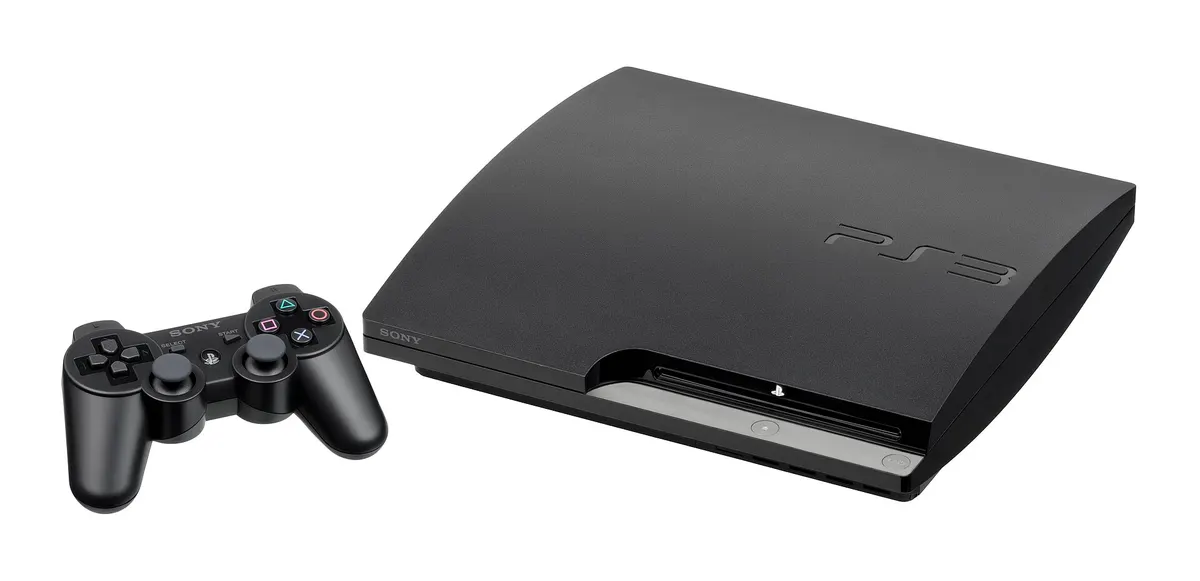
Taking a bulky gaming console on a flight might seem daunting, but the Transportation Security Administration permits the PlayStation 5 in both carry-on and checked luggage. Because electronics are fragile, security officials recommend keeping the system in the cabin with you.
Travelers must pay special attention to the wireless controller, which contains a lithium-ion battery subject to strict aviation safety guidelines. Alternatively, players can skip packing the physical hardware altogether by utilizing remote streaming features.
What happened
The TSA allows the PlayStation 5 in carry-on and checked bags, though carry-on is recommended for fragile electronics. Packing the console in a carry-on means keeping a close eye on it, but it takes up significant bag space. Placing it in a checked bag frees up room, but runs the risk of mishandling or loss. If packed in a carry-on, the console should be wrapped in a sweater or padding and stowed under the seat in front to avoid overhead shifting. For checked bags, a hard plastic suitcase is preferable, with the console positioned in the center and entirely surrounded by soft clothing.
The DualSense controller uses a lithium-ion battery rated at 3.65 volts and 1,560 milliamp hours, totaling about 5.7 watt hours. This is well below the Federal Aviation Administration limit of 100 watt hours. However, the Federal Aviation Administration mandates that devices containing lithium batteries should be carried in the cabin to mitigate the risk of thermal runaway, a phenomenon where a battery overheates and catches fire. In 2025, ULSE counted an average of 2.36 such incidents per week on passenger flights. If a controller must be checked, it must be powered completely off, protected from accidental activation, and wrapped in clothes or a protective shell. For a seamless alternative, PlayStation Remote Play allows users to stream games from their home console to a phone, tablet, or laptop, provided the home console stays in rest mode with network-activation settings enabled.
Why it matters
Gamers who travel for business or pleasure face a choice between leaving their games behind or risking damage to expensive hardware. Mishandled baggage can result in broken equipment worth hundreds of dollars. Furthermore, failing to adhere to aviation safety regulations regarding lithium-ion batteries creates fire hazards in airplane cabins and cargo holds. Understanding airline and safety rules ensures that travelers protect their expensive electronics while avoiding delays or confiscation at security checkpoints.
The background
The PlayStation 5 is Sony's flagship home video game console, featuring high-end graphics and requiring substantial physical space. Its companion controller, the DualSense, relies on rechargeable lithium-ion battery technology standard in modern electronics. Lithium batteries are heavily regulated globally for air travel due to the inherent chemical risk of overheating. Sony also provides software ecosystems like Remote Play and hardware accessories like the PlayStation Portal to bridge the gap between portable devices and stationary living room consoles.
What happens next
Travelers planning to transport their console must check individual airline carry-on size and weight limits against the console's physical dimensions. Players should back up save data, finish pending system updates, unplug all cables, and remove any physical discs before departure.
Key takeaways
- The TSA permits the PlayStation 5 in both carry-on and checked bags, though carry-on is recommended for fragile electronics.
- The DualSense controller uses a lithium-ion battery rated at approximately 5.7 watt hours, falling safely below the Federal Aviation Administration limit of 100 watt hours.
- Devices with lithium batteries should be carried in the cabin because flight crews are trained to respond to potential thermal runaway incidents.
- PlayStation Remote Play lets users stream games from a home console to a mobile device or laptop without traveling with the physical hardware.