
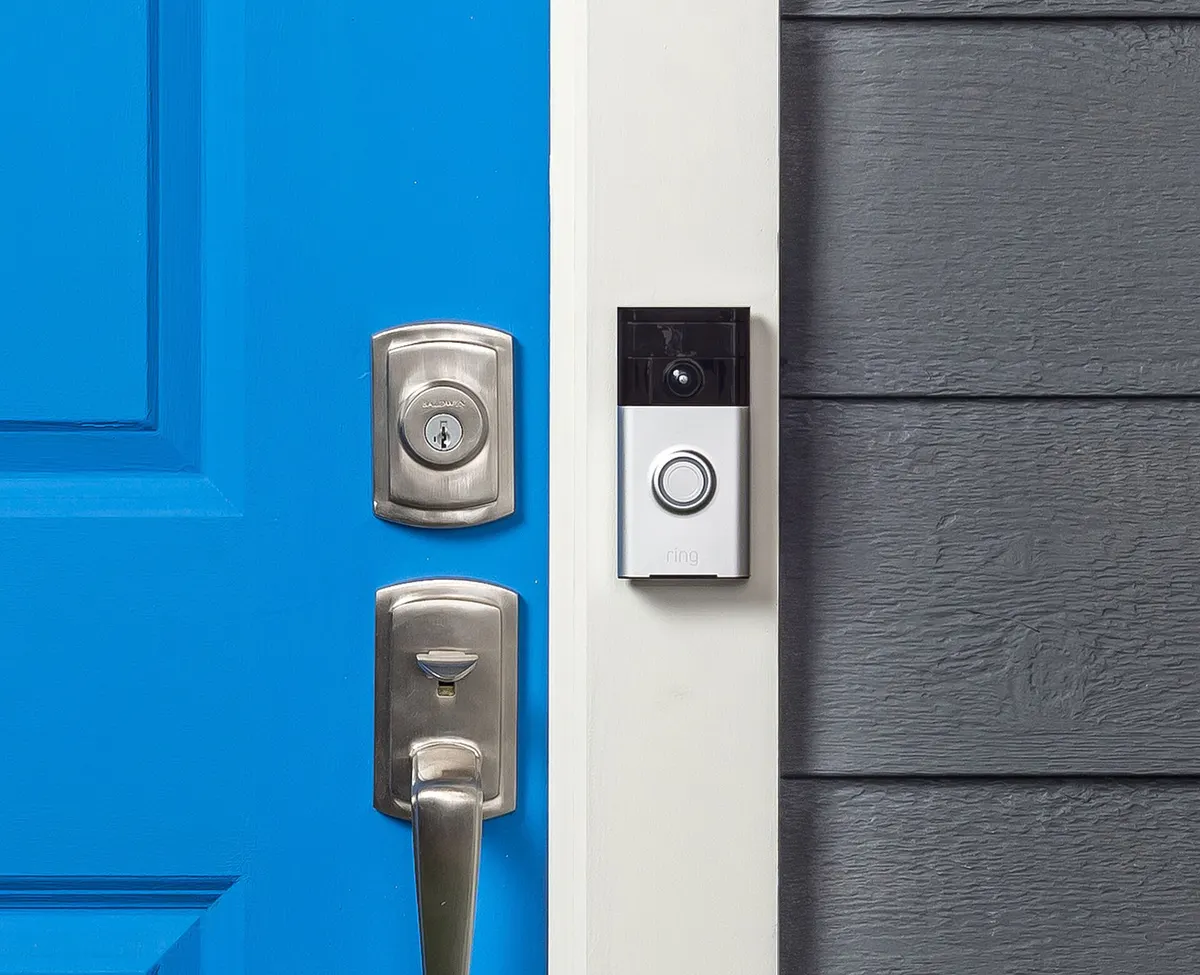
Winter temperatures present a major challenge for battery-powered video doorbells. Because these devices are installed outdoors, freezing weather causes their lithium-ion batteries to suffer significant performance drops and can even prevent them from charging properly.
Experts from major manufacturers like Ring, Google, and Anker agree that cold weather severely impacts outdoor electronics. Property owners living in cold climates must adopt specific charging and positioning habits to keep their security devices operational through the winter months.
What happened
Video doorbells rely on lithium-ion batteries, which have an ideal charging temperature range between 50 and 86 degrees Fahrenheit. When these batteries are charged below freezing, metallic lithium can start plating onto the electrodes, permanently reducing the battery's overall capacity. Furthermore, even slightly above-freezing temperatures make charging much less efficient. To avoid this damage, users should bring their doorbell or removable battery indoors to warm up to room temperature before attempting to charge it. Charging can take a significant amount of time, such as up to 10 hours for a Ring battery, making overnight charging a practical solution. For models with non-removable batteries, like the battery-powered Google Nest Doorbell, the entire unit must be uninstalled and brought inside. In regions with milder winters, blocking the wind or maximizing sunlight through strategic positioning can help keep the doorbell naturally warmer and extend battery life.
Why it matters
Homeowners rely on video doorbells for security, including deterring burglars and catching offenders in the act. When extreme cold causes a battery to fail or a device to stop functioning entirely—which major manufacturers note can happen at minimum operating temperatures around minus 4 degrees Fahrenheit—homes lose a layer of security. Doorbell owners face the inconvenience of frequent charging delays, device downtime during multi-hour recharges, or the risk of permanent hardware degradation if they charge batteries incorrectly in freezing conditions.
The background
Lithium-ion technology is standard for portable electronics because of its high energy density, but it is notoriously sensitive to extreme temperatures. Unlike indoor devices kept at stable room temperatures, video doorbells are perpetually exposed to outdoor elements. Major smart home brands, including Anker, Ring, and Google, design these devices with operating and charging limits explicitly noted in their specifications, usually drawing a hard operational line at minus 4 degrees Fahrenheit. For homes in severely frostbitten regions, manufacturers often recommend switching to a wired doorbell if the home design permits, as wired systems draw continuous power from household electricity and bypass cold-weather battery limitations.
What happens next
Consumers living in cold climates will need to monitor local temperatures closely and adjust their device maintenance routines as winter progresses. Manufacturers continue to update their lineups with features like quick-release battery packs to ease the burden of swaps, but physical battery chemistry limitations in sub-freezing weather remain an ongoing challenge for outdoor smart home technology.
- Freezing temperatures cause lithium-ion batteries to suffer severe performance drops and inefficient charging.
- Charging a battery below the freezing point risks permanent capacity reduction through metallic lithium plating onto electrodes.
- Bringing removable batteries or entire doorbells indoors to reach room temperature prevents cold-related charging delays.
- Major manufacturers like Ring, Google, and Anker set a minimum operating temperature of minus 4 degrees Fahrenheit for their devices.