
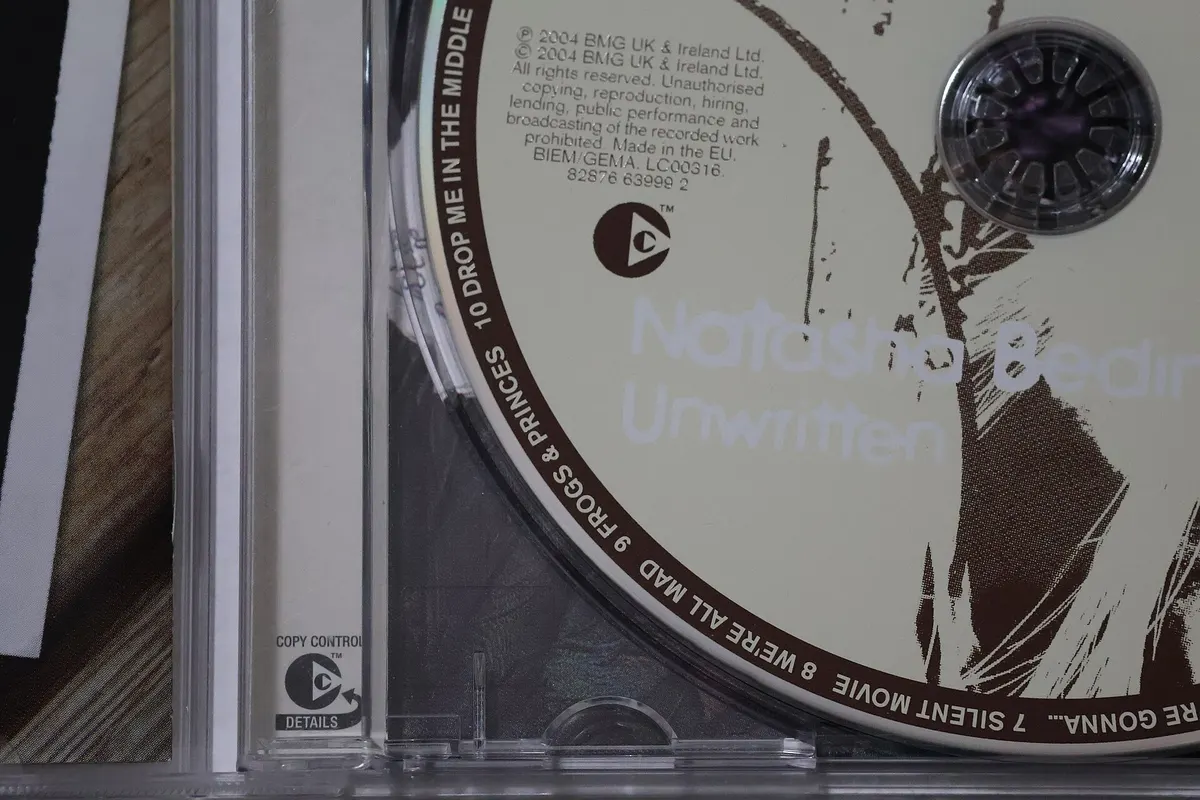
As compact discs experience a nostalgic revival alongside vinyl records, music fans are rediscovering the physical format. However, the biggest drawback of CDs has always been how easily a careless scratch can ruin playback.
While a scratched disc can seem like the end of your favorite album, several time-tested methods exist to get your music back in playing shape. The success of these techniques depends entirely on the severity of the damage.
What happened
The first step in fixing a problematic CD is determining whether it actually has a scratch or simply needs to be cleaned. Oils from hands and dust can cause playback errors without permanently damaging the disc. Cleaning requires wiping the CD with a lint-free microfiber cloth from the center outward to the edge rather than wiping across the surface. For stubborn dirt, a small amount of 70 percent isopropyl alcohol or distilled water can be applied to the cloth, provided the disc dries completely before playing.
For deeper physical scratches, home do-it-yourself repair methods attempt to sand down the damaged layer of the polycarbonate disc so the player's laser can finally reach the data stored deeper inside. Toothpaste is a common household abrasive used for this purpose. Users must apply plain white toothpaste without gels, beads, or whitening agents, spread it evenly, wipe from the inside outward, rinse thoroughly with water, and let it dry. A stronger abrasive like 3M rubbing compound can also be used in the same manner.
If abrasives do not work, a thin layer of wax, such as shoe polish or Chapstick, can be applied to temporarily seal the scratches. The wax is applied from the center outward and wiped away after a few minutes once it dries. For those seeking professional solutions, rare standalone disc repair services use professional-grade machines to buff damaged surfaces more reliably than home methods. High-end commercial machines can also be purchased privately, though they often cost thousands of dollars and are typically reserved for preserving rare recordings.
Why it matters
Physical media enthusiasts and collectors face the constant threat of disc degradation and accidental scratching as their collections age. Because music albums and data on physical discs can become completely unplayable or entirely unavailable elsewhere, finding reliable ways to restore them protects both personal investments and rare cultural artifacts.
The background
Compact discs first revolutionized the consumer audio market by replacing vinyl records and cassette tapes with digital audio stored on optical media. Although streaming services and digital downloads eventually pushed physical CDs into the background, recent years have brought a surprising nostalgic revival of CDs and physical media. Despite offering superior longevity compared to magnetic tapes, CDs remain vulnerable to surface scratches that scatter the laser light inside CD players, causing skipping or playback failure.
What happens next
Collectors can also invest in a CD burner to create digital or physical copies of their audio before a disc fails completely. In many cases, a CD burner can accurately extract data from a scratched disc even when a standard home audio player skips. Future options for damaged media will continue to rely on personal maintenance, specialized local repair shops where available, or digital duplication.
- Cleaning a dirty compact disc requires wiping gently from the center to the outer edge using a lint-free microfiber cloth.
- Using plain white toothpaste acts as a mild abrasive to buff down scratched polycarbonate layers and let the laser reach stored data.
- Applying a thin layer of wax like shoe polish or Chapstick can temporarily seal deeper scratches on a damaged disc.
- Investing in a CD burner offers a non-destructive way to copy and preserve music data before a physical disc fails permanently.