
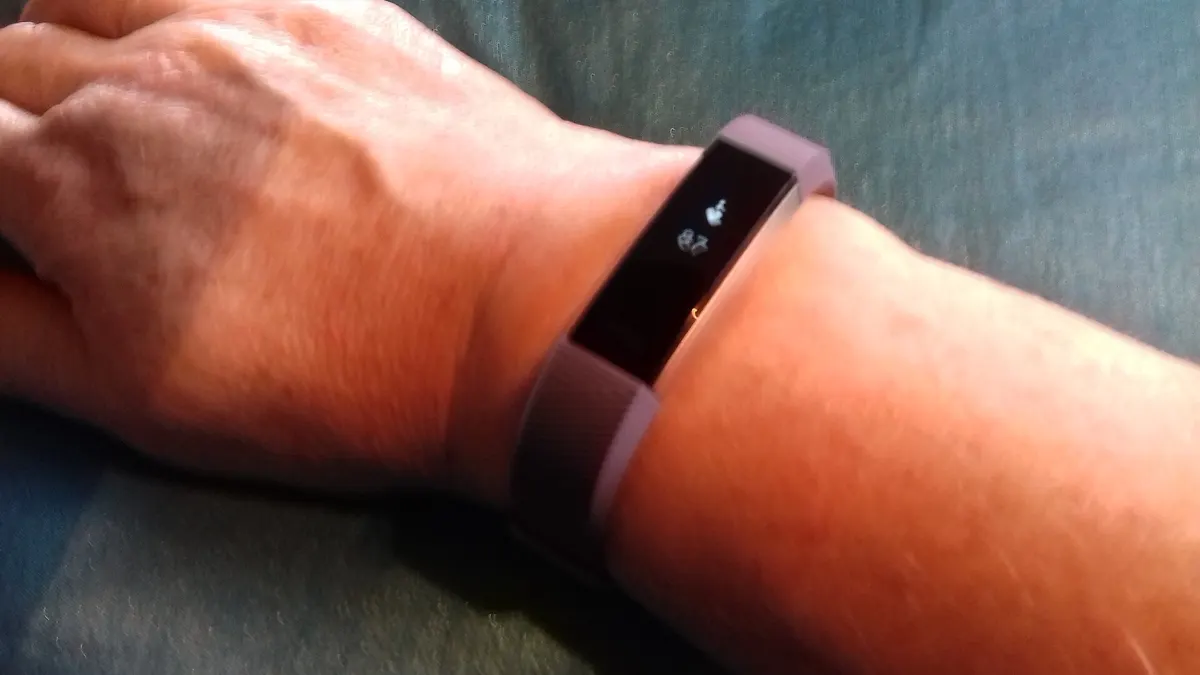
Fitness wearables are designed for continuous, around-the-clock use. They endure harsh conditions, including heavy workouts, constant sweat, accidental knocks, and daily charging. Yet, even the best trackers face a ticking clock dictated by hardware wear and tear, battery chemistry, and changing software requirements.
Google has introduced the Fitbit Edge alongside discussions about how long a wearable can genuinely stay usable. While gadgets face numerous vulnerabilities, understanding these factors helps clarify the true expected lifespan of a modern fitness tracker.
What happened
The lifespan of a fitness tracker is shaped by three main pillars: physical durability, battery health, and software longevity. Devices like the Fitbit Edge feature an IP68 rating, meaning they can be submerged in water. However, protective liquid seals degrade over time through repeated exposure to moisture and sweat, turning waterproof devices vulnerable eventually.
Battery health presents another inevitable barrier. Wearables typically utilize lithium-ion batteries rated for roughly 300 charge cycles from zero to 100 percent. While charging once a week theoretically points toward five years of runtime, chemical degradation and practical capacity loss usually reduce usability long before that threshold is reached. Most standard Fitbits cannot have their batteries replaced, though the new Edge model stands as a rare repairable exception.
Beyond hardware, Google provides security updates for at least two years after a Fitbit product is no longer actively sold. Active feature support can phase out even sooner. Older hardware often struggles to keep up with rolling software upgrades, such as the transition from the original Fitbit app to Google Health, or the limited rollout of advanced Health Guardian features.
Why it matters
Consumers invest hundreds of dollars into wearable technology expecting a multi-year companion for health and fitness tracking. When software compatibility drops or batteries fail prematurely, users face unexpected device obsolescence.
Even if a tracker remains physically intact, missing vital app compatibility or enduring severely diminished battery life forces users to replace hardware sooner than planned. The introduction of repairable designs like the Fitbit Edge signals a shift in addressing electronic waste and consumer costs, but most legacy models remain disposable.
The background
Fitbit is a pioneer in the fitness wearable market, known for manufacturing activity trackers and smartwatches that monitor steps, heart rate, and sleep. Google acquired Fitbit to integrate its hardware and health ecosystem deeper into its product lineup, rolling out newer devices alongside software platforms like Google Health and Google Health Premium.
As smartwatches and fitness bands have evolved to include complex metrics such as electrocardiograms, continuous heart-rate tracking, and AI health coaching, they have also grown more software-dependent. This increasing reliance on companion smartphone apps and cloud services makes long-term software support just as critical to a device's survival as physical durability.
What happens next
Google's current hardware models will receive security updates through 2028 and likely beyond, depending on hardware refresh cycles. Older models launched in 2022, such as the Inspire 3, Versa 4, and Sense 2, face the earliest security phase-outs.
Industry experts suggest that, realistically, owners should not count on owning a new Fitbit for more than five years. Future device longevity will depend heavily on whether repairable battery designs become an industry standard or remain isolated exceptions.
Key takeaways
- Devices like the Fitbit Edge carry an IP68 rating, but protective water seals inevitably degrade over time from repeated moisture exposure.
- Lithium-ion batteries in wearables typically handle around 300 charge cycles before chemical factors diminish their usable capacity.
- Google provides security updates for at least two years after a Fitbit product is no longer on sale.
- Realistically, users should not count on owning a new fitness tracker for any more than five years.