
UK retail sales unexpectedly rose by 0.7 per cent in October, driven by a surge in supermarket purchases of non-perishable food and emergency supplies. The uptick followed the launch of a government campaign advising households to prepare for potential service disruptions.
Economists had previously predicted a slight fall in retail sales for the month following a decline in September. Instead, supermarket volumes recovered strongly, accompanied by an increase in clothing purchases and visits to art galleries.
What happened
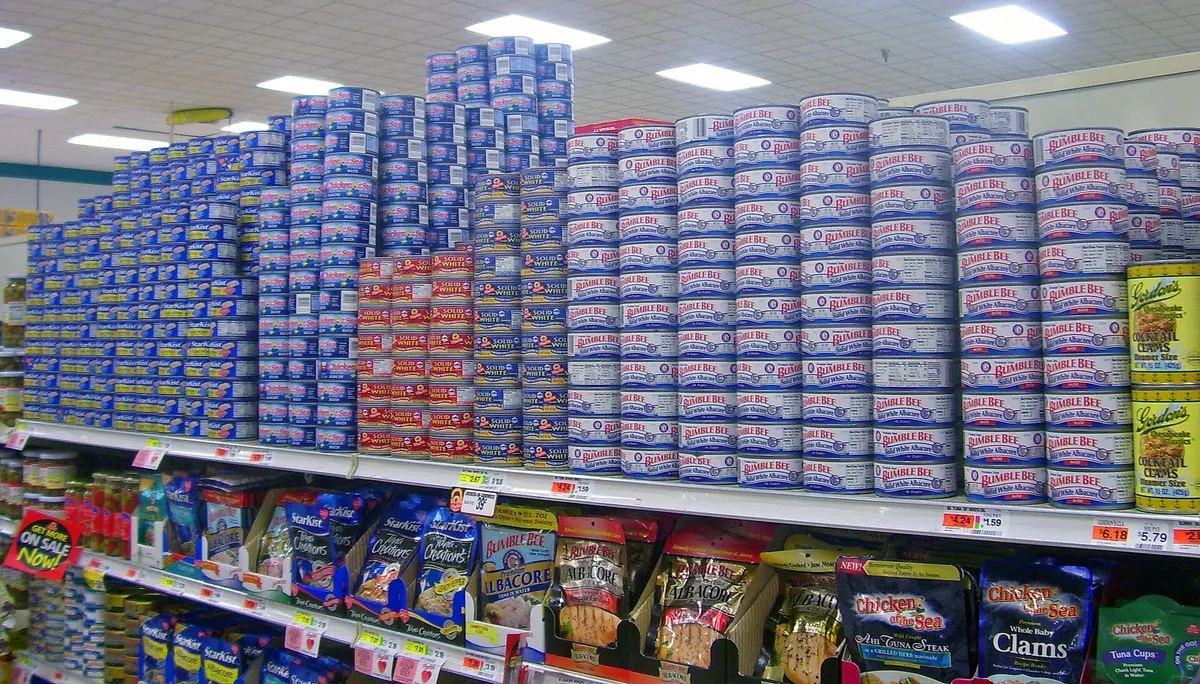
The Office for National Statistics reported that retail sales volumes grew by 0.7 per cent in October, beating expectations of a marginal decline. Food stores helped lead the recovery with a 0.8 per cent monthly increase, marking their strongest growth in six months. Supermarket bosses told statisticians that the growth was fueled by a sudden spike in demand for long-life products, including tinned goods and ultra-high-temperature milk, following the launch of the government's "Be Ready" campaign on October 22.
Consumer research data revealed stark shifts in shopping habits in the days following the campaign's release. Sales of hand sanitiser increased by 83 per cent in the 10-day period compared to the previous year, while bottled water sales rose by 67 per cent. Tinned and jarred goods recorded a 37 per cent increase, and the daily number of people buying tinned meat climbed by 43 per cent, representing an additional 400,000 shoppers daily. Retailers like Robert Dyas also reported massive spikes, including a 160 per cent increase in radio sales as multiple wind-up models sold out entirely.
Despite the clear surge in demand for essentials, data indicated that households were steadily building up their supplies rather than panic buying, with typical purchase quantities remaining around 500 grams. Alongside supermarket shopping, non-food store sales volumes rose by 1.1 per cent over the month.
Why it matters
The change in consumer habits highlights how quickly public guidance can influence national economic indicators and retail sectors. While the campaign provided a welcome boost to retailers at the start of the festive period, it unfolds against a backdrop of mounting financial pressure on households.
Retailers are watching consumer spending closely as energy costs and inflation continue to climb. Typical household energy bills are forecast to increase significantly in January, which analysts warn will prompt consumers to cut back on discretionary spending as inflation rates rise. Meanwhile, separate economic data showed government borrowing reached 17 billion pounds in October, pushed up by record debt interest payments driven by higher inflation linked to the ongoing Iran war.
The background
The UK government periodically issues emergency preparedness guidance to help the public cope with potential major disruptions, such as severe weather, flooding, cyberattacks, or power cuts. The latest initiative, the Be Ready campaign, encourages households to keep roughly three days' worth of non-perishable food and water at home, alongside items like wet wipes, cash, and torches.
While previous campaigns like the "Prepare" guidance in May 2024 received less widespread consumer reaction, the current geopolitical and social climate—marked by the war in Iran, the Russian invasion of Ukraine, and persistent domestic inflation—has drawn heightened public attention to emergency readiness.
What happens next
Retailers face an uncertain end to the year. Although October sales brought an unexpected boost ahead of the traditionally busy Christmas shopping season, industry experts anticipate that consumers will tighten their budgets sharply once higher energy costs and inflation take full effect in the New Year. Future ONS figures will track whether the uptick in emergency preparedness purchases translates into sustained shifts in retail trends or remains a temporary spike.
Key takeaways
- Retail sales volumes rose by 0.7 per cent in October, beating economists' expectations of a slight decline following a 0.6 per cent drop in September.
- The Office for National Statistics confirmed that the sales increase was driven by people buying long-life food such as tinned goods and UHT milk following a government emergency campaign.
- Consumer research data showed that bottled water sales rose by 67 per cent and hand sanitiser sales jumped by 83 per cent in the days following the campaign's launch.
- Government borrowing reached 17 billion pounds in October, with debt interest payments hitting a record 11.2 billion pounds due to rising inflation.