
Google is moving its smart home ecosystem into a single application, setting a definitive end date for the long-running Nest software. The company announced that the standalone Nest app will officially shut down on January 25, 2027, completing a multi-year migration process that began after Google acquired the smart home brand.
For users of Nest thermostats, cameras, and security devices, managing household hardware will shift entirely to the Google Home platform. Alongside the app closure, Google also outlined timelines for transitioning account data and retiring older voice assistant software on its smart home hardware.
What happened
Google notified Nest owners by email and through community support posts about the upcoming software retirement. When the Nest app shuts down on January 25, 2027, Google will automatically transfer remaining Nest devices, video history, and Nest Aware subscriptions over to the Google Home ecosystem for users who have linked their accounts.
Before the transition takes place, Google advises users to visit home.nest.com to manually download any custom video clips they have saved, as these will not move over automatically. Regular video history is slated to transfer on its own. Furthermore, Google warned that users must complete the migration of any legacy Nest accounts to a Google account by March 25, 2027, or risk having their data permanently deleted.
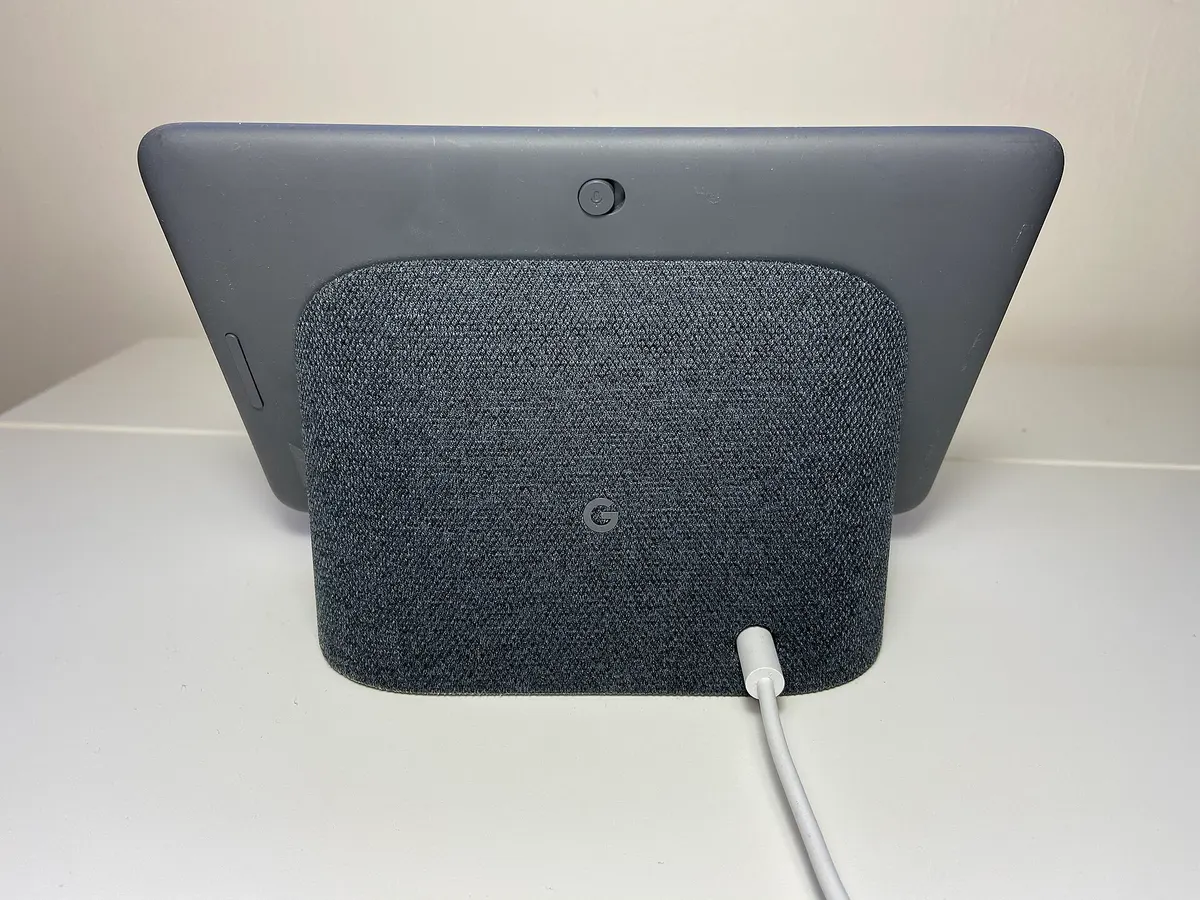
In addition to phasing out the Nest app, Google announced plans to retire Google Assistant on smart speakers and smart displays. On August 2, 2027, the newer Gemini for Home voice assistant will replace Google Assistant on these devices, allowing users to ask more complex questions using natural language.
Why it matters
The shutdown forces holdouts who have resisted moving away from the legacy Nest app to finally adopt the Google Home platform. While Google has gradually improved feature parity between the two apps over the years, many long-time users previously pointed to missing features in Home as a reason to stick with the older software.
Owners of older hardware face even stricter limitations. Remote controls for first- and second-generation Nest Learning Thermostats already ended in October 2025, though those models can still be adjusted manually at the thermostat itself. Meanwhile, users must proactively migrate their accounts and check their saved clips to avoid losing personal video data.
The background
Google originally acquired Nest Labs in 2014 for $3.2 billion. Even after Nest formally merged with Google’s hardware business in 2018, the company maintained two separate mobile applications for managing smart home devices, creating a fragmented experience for consumers who owned both Google Home and Nest products.
Google has spent years slowly migrating hardware support, user accounts, and features over to the Google Home app under its "One App Experience" initiative. The process also involved dropping support for certain early-generation hardware devices over time.
What happens next
Users have until January 25, 2027, to download manual video clips and ensure their devices transfer over to the Google Home application. Following the app shutdown, a strict grace period runs until March 25, 2027, for legacy Nest account data migration before deletions begin. Later in the year, Google plans to roll out Gemini for Home to replace Google Assistant on August 2, 2027, with more updates expected from the company ahead of that transition.
Key takeaways
- Google will shut down the standalone Nest app on January 25, 2027, moving all smart home management to the Google Home application.
- Users must manually download custom saved video clips ahead of the transition because they will not transfer automatically.
- Legacy Nest accounts must be fully migrated to Google accounts by March 25, 2027, or risk having data deleted.
- Google Assistant on smart speakers and smart displays will be retired and replaced by Gemini for Home on August 2, 2027.