
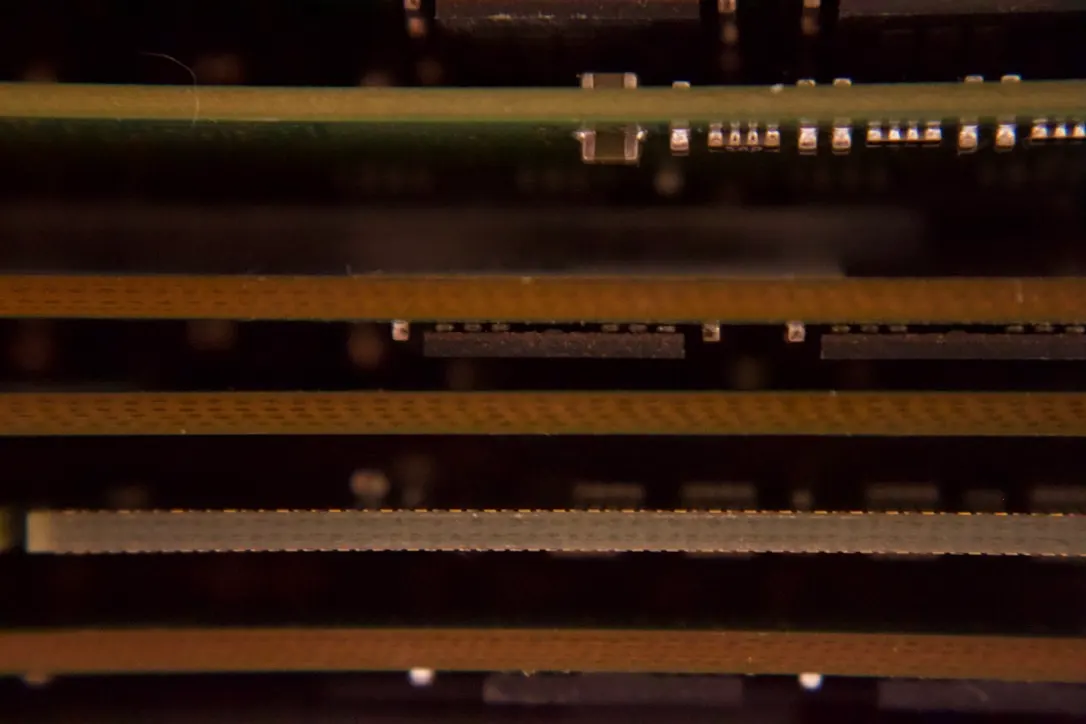
Consumers and computer builders are facing a period of extreme volatility in the memory market as a global DRAM shortage causes prices to rise significantly. The scarcity of components has made it increasingly difficult for shoppers to find affordable RAM, with costs for some kits climbing to several times their previous market value.
This trend has forced major hardware manufacturers to rethink their product offerings to remain competitive. As memory becomes a larger portion of a device's total production cost, companies are adjusting their configurations to avoid passing the full weight of these price hikes onto the end user.
What happened
Throughout 2026, the price of DDR5 memory, the current standard for high-performance computing, has experienced dramatic increases. In some instances, a standard 32GB memory kit that cost between $100 and $200 in October 2025 has seen its price climb to over $430. Retailers are reacting to these supply constraints by raising prices, and in some cases, bundling memory with other components like motherboards or processors to manage stock levels.
This trend is not limited to standalone components. Asus, a major manufacturer of personal computers, has indicated it may reduce the standard memory capacity in its mid-range and entry-level laptops from 16GB to 8GB. During an earnings call, Asus co-CEO S.Y. Hsu stated that the rising prices have reached an inflection point where the company can no longer afford to pass all additional costs on to buyers without potentially losing customers.
Why it matters
For the average consumer, the current market environment makes purchasing a new computer or upgrading existing hardware significantly more expensive. The decision by manufacturers like Asus to revert to 8GB of RAM as a standard configuration marks a shift away from the 16GB minimum that had previously become the industry norm for ensuring a smooth experience with modern operating systems.
While Microsoft has released updates to Windows 11 intended to improve performance on machines with 8GB of RAM, industry analysts and company representatives acknowledge that these optimizations cannot fully replicate the gaming and multitasking capabilities of systems equipped with 16GB or 32GB of memory. Consequently, users may experience a performance gap depending on their specific computing needs.
The background
DRAM, or Dynamic Random-Access Memory, is the primary type of memory used in modern computers, allowing the processor to access data quickly. Because it is a fundamental component, any disruption in the supply chain—often caused by manufacturing bottlenecks or shifts in demand—has an immediate impact on retail prices for both businesses and individual consumers. This is not the first time the industry has faced such pressures; similar shortages occurred in the past with graphics cards, leading to comparable cycles of price volatility and component hoarding.
In May 2026, Microsoft had initially raised its recommended memory configuration for Windows 11 devices to 32GB, but it later retracted this guidance as prices continued to climb. The company has since pivoted to focusing on software-level memory management to help users maintain system responsiveness despite the hardware constraints.
What happens next
There is currently no clear timeline for when memory prices might stabilize. Market research firms and industry observers note that while price increases for some related components, such as SSDs, have begun to slow, memory remains expensive with no immediate signs of a downward trend. Retailers continue to report that high-capacity kits remain in short supply, and manufacturers are expected to monitor the market closely before making further changes to their product lineups.
Key takeaways
- A persistent global shortage of DRAM has caused computer memory prices to soar throughout 2026.
- A standard 32GB memory kit that cost between $100 and $200 in October 2025 has seen its price climb to over $430.
- Asus may reduce the standard memory capacity in its mid-range and entry-level laptops from 16GB to 8GB.
- Microsoft released updates to Windows 11 intended to improve performance on machines with 8GB of RAM.