
Apple's iPad Pro stands as a powerful machine in the modern tech landscape. Yet its restrictive operating system and ecosystem limitations lead many users to seek alternative devices that offer different advantages, ranging from flexible software to lower price points. Consumers choosing to step outside Apple's walled garden now find an increasingly competitive market of high-end and mid-range tablets that balance performance, display quality, and cost differently. ## What happened The 2025 iPad Pro features Apple's M5 chip, borrowed from the MacBook Pro, alongside a tandem OLED display that no other North American tablet currently matches. However, the device runs iPadOS, which restricts users to Apple-approved applications and requires signing into an Apple account to install software. This locked-down approach can isolate the device from non-Apple gadgets. For buyers seeking alternatives, Samsung offers the Galaxy Tab S12 Ultra. Priced between $1,400 and $2,000, it features a massive 14.6-inch Dynamic AMOLED 2x display and an anti-reflective coating. Driven by a MediaTek Dimensity 9500 processor, it includes 12GB or 16GB of RAM. Samsung's One UI software allows users to share a mouse and keyboard with a Windows PC or use the tablet as a secondary computer display. Amazon has also entered the premium space with the Alexa Tablet 12 Pro, priced starting at $500. Ditching traditional Fire OS in favor of a standard Android interface with Google Play Store access, it offers a MediaTek Dimensity 8400 chip, up to 16GB of RAM, and an optional Nanomatte display coating for an extra $50. ## Why it matters Tablet buyers face a choice between maximum hardware performance and functional freedom. Apple's dominance gives it a massive lead in raw speed, but the constraints of iPadOS create friction for users embedded in mixed-device environments. Devices like Samsung's Ultra model and Amazon's Pro tablet cater to those who prioritize multitasking with Windows computers, larger viewing spaces, expandable features, or more flexible app ecosystems without paying Apple's specific entry toll. ## The background Tablets have evolved from simple media consumption devices into powerful productivity tools. Apple established a commanding lead in the high-end tablet category through proprietary custom silicon chips originally designed for laptops. Competitors using Android and Windows operating systems have historically struggled to match Apple's processing speeds. However, advancements in processors from companies like MediaTek and the growth of Windows on ARM are narrowing the gap, allowing manufacturers to offer viable alternatives for users outside the Apple ecosystem. ## What happens next The market for non-Apple high-end tablets continues to develop as rival manufacturers refine their hardware offerings and software skins. While Android competitors still trail Apple in raw processing power, future iterations of mobile chips and operating systems will determine whether rivals can fully close the performance gap. ## Key takeaways - The 2025 iPad Pro features Apple's M5 chip and a tandem OLED display, making it the most powerful tablet on the market. - Apple's locked-down iPadOS experience limits users to approved apps and requires an Apple account for installation. - Samsung's Galaxy Tab S12 Ultra offers a massive 14.6-inch display and Windows PC integration, priced between $1,400 and $2,000. - Amazon's Alexa Tablet 12 Pro starts at $500, offering Google Play Store access and a standard Android experience.
Technology
Four alternative tablets for those looking to move away from Apple
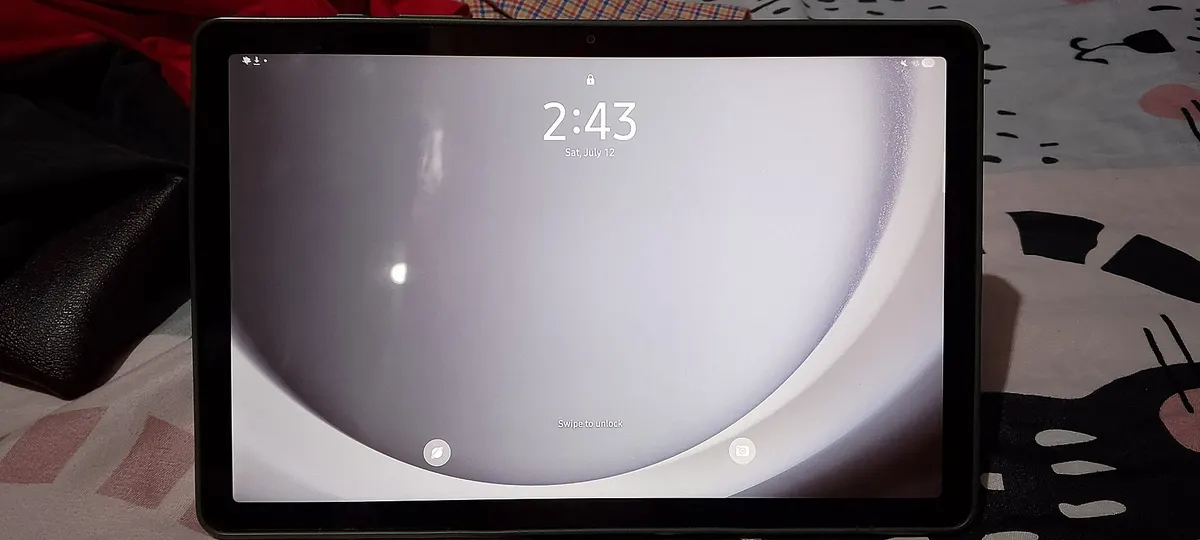
Photo: JGBlue1509, CC0 / Wikimedia Commons
While Apple's iPad Pro dominates the high-end tablet market with raw power and a tandem OLED display, its locked-down operating system pushes some users toward rival devices from manufacturers like Samsung and Amazon.
Go deeper
Want more on this story? Our research assistant searches the latest reports across the web and explains what it finds, so you get the fuller picture in one place.