
Three survivors of the 2009 mass shooting at Fort Hood have been denied permission to attend the military firing-squad execution of Nidal Hasan. Military officials stated that the individuals cannot witness the event because none of them were direct victims of the specific murder charges, citing strict regulations governing military executions.
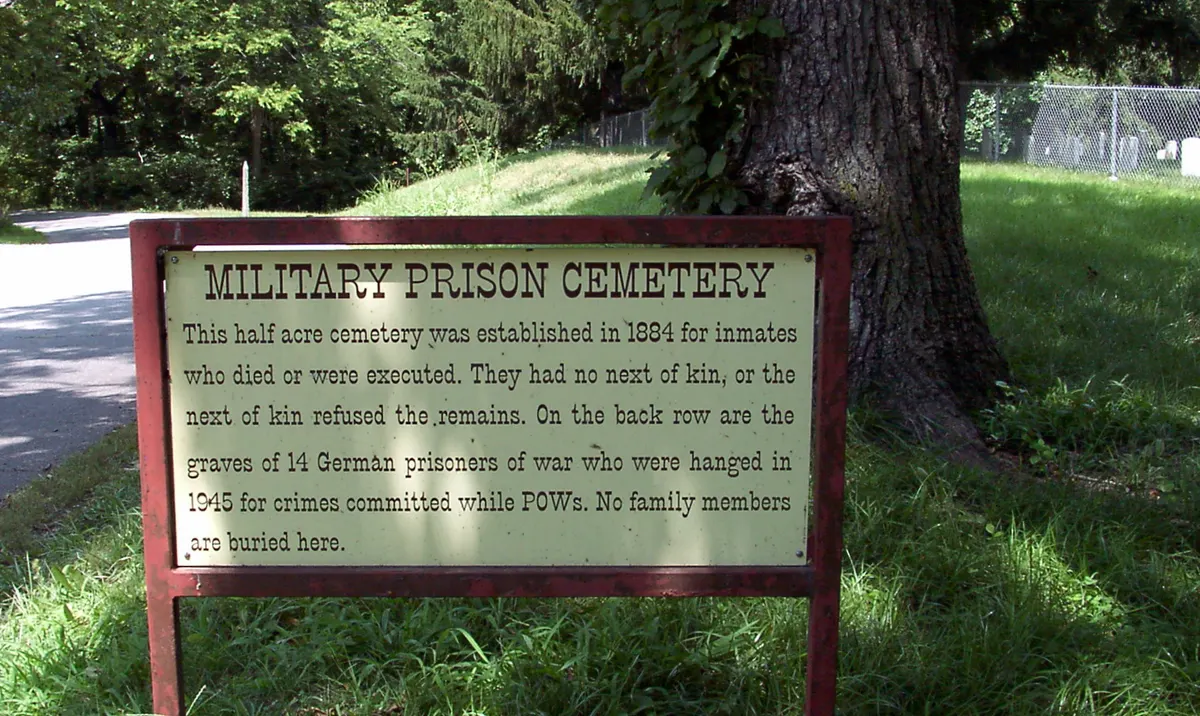
The execution is currently scheduled for December 3 at the military prison in Fort Leavenworth, Kansas. Meanwhile, Hasan has filed a last-minute legal challenge in federal court seeking a stay of execution to contest his death sentence.
What happened
Nidal Hasan was convicted of multiple counts of murder and attempted murder for the 2009 attack at the Texas army post, where 13 people were killed and more than 30 were wounded by gunfire. On November 10, the army informed three survivors that they could not attend the scheduled afternoon execution on December 3. Military officials rejected a subsequent request for reconsideration, pointing to security and space limitations.
The survivors had argued that the military should apply a broader definition of "victim" found in the uniform code of military justice, which encompasses individuals who suffered direct physical, emotional, or pecuniary harm. They contended that the refusal implied they were not victims simply because they were not struck by bullets. Retired Colonel Kathy Platoni, who helped treat the wounded during the attack, described the denial as a betrayal and stated that she wanted to look Hasan in the eye. Julia Wilson, who was pregnant during the shooting, also had her request denied and spoke of ongoing institutional anguish. Shoua Her, the widow of Pfc. Kham Xiong who was killed in the attack, plans to travel to Texas with her three children to witness the execution to seek closure, despite describing the firing-squad method as inhumane.
Military officials confirmed that no details regarding the firing squad or its protocols will be released publicly. A previous plan by the Pentagon and Defense Secretary Pete Hegseth to livestream the execution was rescinded following bipartisan backlash. This event marks the first military execution since 1961 and the first by firing squad since the Second World War.
Why it matters
The exclusion of survivors who were not directly struck by gunfire highlights ongoing tensions over how the military legally defines and recognizes victims of mass violence. For survivors like Platoni and Wilson, the denial deepens emotional trauma and a sense of institutional alienation. At the same time, the scheduling of the execution and the subsequent legal maneuvers test federal oversight of military capital punishment.
The background
Nidal Hasan was an Army psychiatrist stationed at Fort Hood, Texas, when he opened fire on a crowded building of soldiers preparing for deployment in November 2009. He was shot by two service members who attempted to halt his rampage and was subsequently convicted at a 2013 court-martial, where he received a death sentence. President Donald Trump ordered the execution to proceed on October 2, putting into motion the first military execution in decades.
What happens next
Hasan has filed a petition in US District Court in Kansas seeking to delay the execution to contest his sentence, with a court hearing scheduled for Wednesday morning. It remains uncertain whether the legal challenge will successfully halt the December 3 execution date.
Key takeaways
- Three survivors of the 2009 Fort Hood shooting were denied permission to witness the execution because they were not direct victims of the specific charges.
- The execution of Nidal Hasan is scheduled for December 3 at Fort Leavenworth by military firing squad, marking the first military execution since 1961.
- Hasan has filed a federal court challenge seeking to delay the execution to contest his death sentence.
- A prior plan to livestream the execution was canceled following widespread bipartisan backlash.