
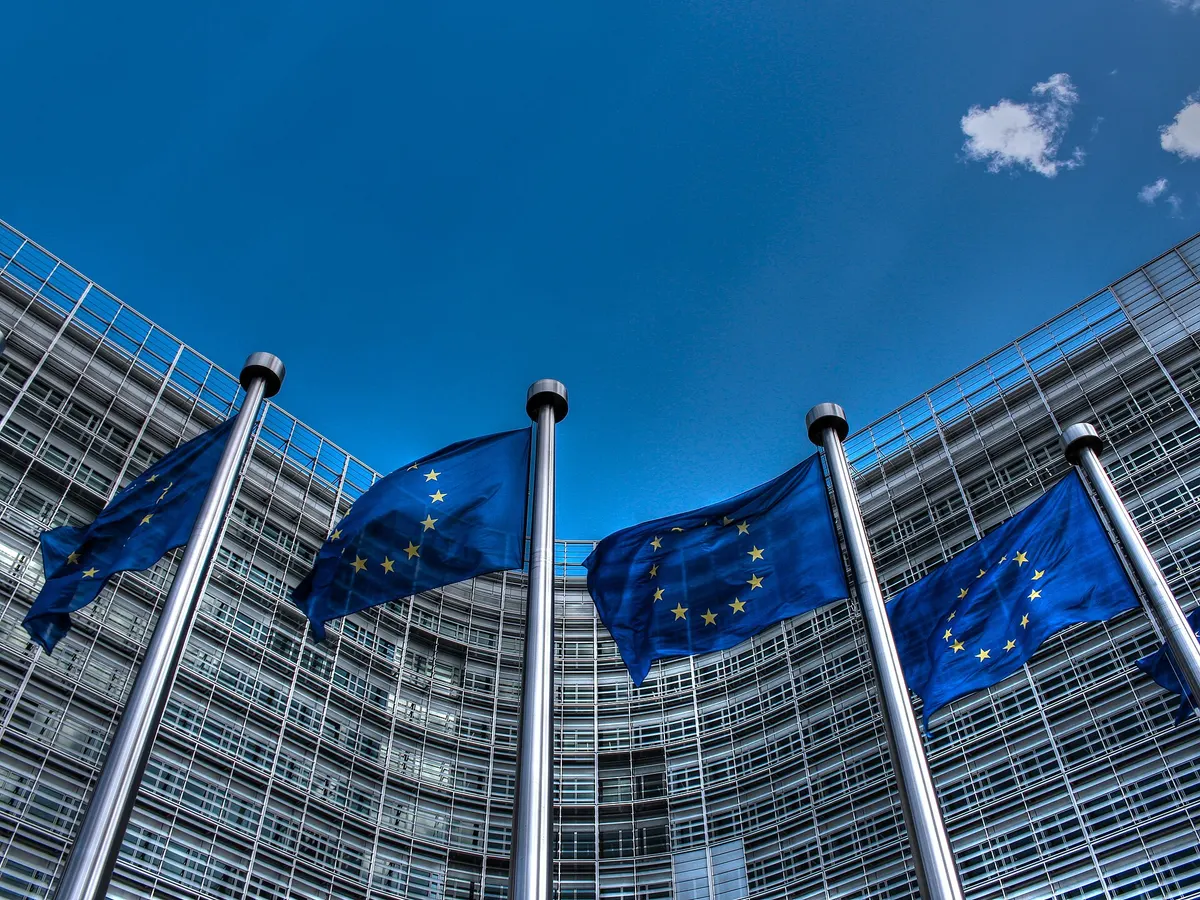
Europe is facing an extraordinary electoral sequence that will see voters in four of the European Union's five biggest member states head to the polls between the end of this month and the end of next year. This coming cycle of national polls threatens to significantly unpick the postwar consensus that built the EU and could profoundly alter the bloc's future.
The momentum behind these upcoming votes appears to belong to the nationalist far right, contrasting sharply with the pro-European, centre-left dominance seen in the late 1990s. Analysts warn that the outcomes could trigger a hollowing out or even an outright implosion of the European project.
What happened
Spain kicks off the sequence with a snap general election on 29 November, where Prime Minister Pedro Sánchez’s socialist coalition faces probable defeat against rightwing parties including the conservative People's party and the far-right Vox. Following this, presidential and parliamentary elections are scheduled in France in the spring, with Marine Le Pen of the far-right National Rally currently positioned as the clear frontrunner well ahead of a divided mainstream opposition. Later next year, Poland will hold elections where nationalist parties could unseat the liberal coalition of Prime Minister Donald Tusk. Additionally, Italy’s Giorgia Meloni hopes to secure a second term in elections due before the end of 2027, facing pressure from her right flank.
Why it matters
This nationalist surge arrives despite strong public support for the EU itself, with a record 74% of Europeans stating their country benefits from membership. However, Eurosceptics and nationalists view the bloc as a top-down project that undermines national sovereignty. Their goal is to transform the EU into a looser association of sovereign nation-states. Political scientist Natalie Tocci notes that this electoral supercycle could dramatically change the face of Europe, triggering a hollowing out of the European project rather than a slow erosion.
The background
In late 1998, the EU had 15 member states led mostly by pro-European, centre-left parties amid brisk economic growth and eastward enlargement. Nearly three decades later, underlying forces including sluggish growth, ageing populations, strained public finances, and a spiralling cost of living have chipped away at support for traditional centre-left and centre-right parties. Nationalist parties have capitalized on this discontent by exploiting evolving grievances regarding migration, vaccines, the green transition, and support for Ukraine, backed by Russian disinformation and support from Donald Trump's White House. Nearly one in four voters now backs far-right parties, representing a fivefold increase since the mid-1990s, though the rise has not been entirely linear across all countries.
What happens next
The sequence of national polls will run continuously from late November through the end of next year and into 2027, with parliamentary elections also scheduled in Estonia, Finland, Greece, and Slovakia alongside regional ballots in Germany. National specifics will loom large in each contest, and analysts are watching closely to see if the far-right momentum can overcome local political dynamics.
Key takeaways
- Europe is entering a massive electoral sequence with voters in four of the EU's five biggest member states heading to the polls.
- The political momentum across the continent has shifted toward the nationalist far right, threatening the postwar European consensus.
- A record 74% of Europeans support EU membership, yet nationalists aim to transform the bloc into a loose association of sovereign states.
- Nearly one in four voters now backs far-right parties, representing a nearly fivefold increase since the mid-1990s.