
European leaders have declared they are ready to participate in negotiations with Russia to end the war in Ukraine, signaling strong solidarity with Kyiv during a summit in Berlin. The gathering, known as the Coalition of the Willing, brought together British Prime Minister Andy Burnham, German Chancellor Friedrich Merz, French President Emmanuel Macron, and Ukrainian President Volodymyr Zelensky alongside US envoys.
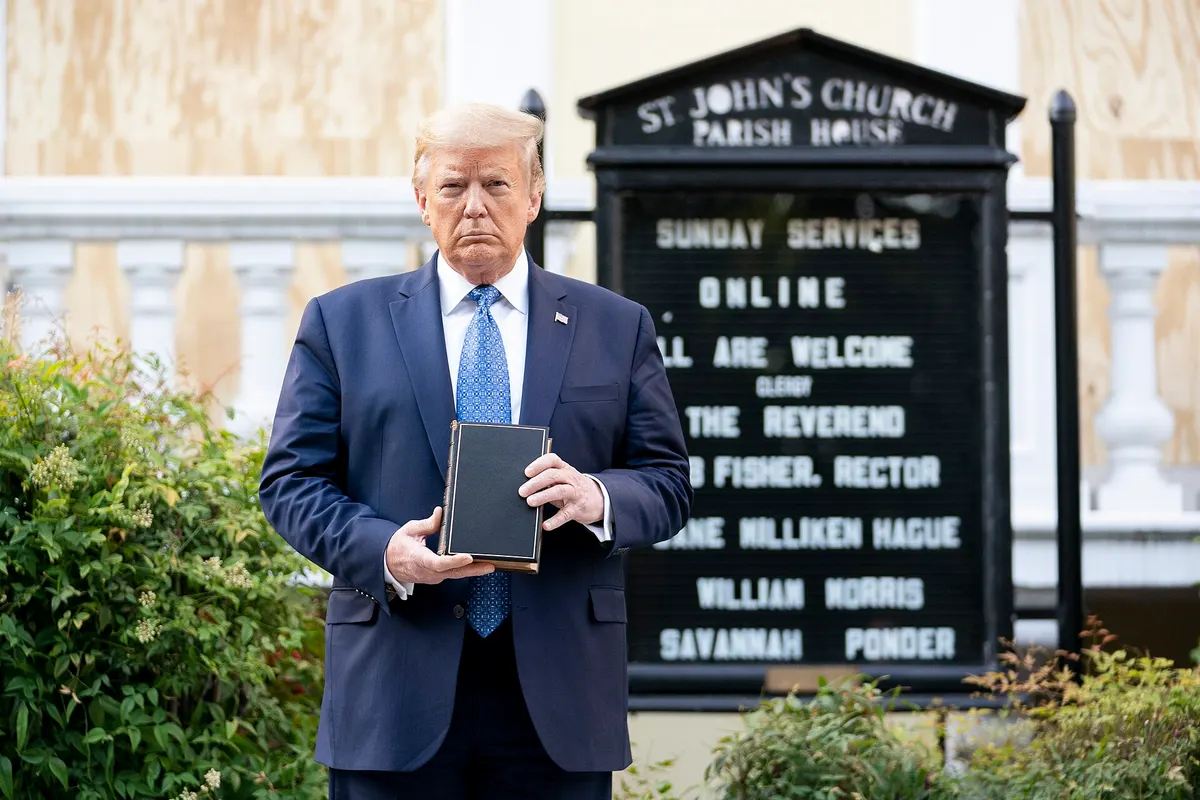
The push for diplomatic engagement follows historic trilateral talks in Shenzhen, China, where US President Donald Trump met with Russian President Vladimir Putin and Chinese President Xi Jinping. Trump subsequently dialed into the Berlin summit from Air Force One, telling European allies that peace is achievable and that ending the conflict would save lives and money.
What happened
During the Berlin summit, European leaders maintained that a united negotiating position is essential. UK Prime Minister Andy Burnham stated that Europe has a clear stance, while German Chancellor Friedrich Merz asserted that Moscow's maximalist demands are unrealistic. Merz emphasized that Europe is willing to enter serious discussions on European security alongside a peace agreement with Ukraine, provided the conditions are acceptable to both Europe and Kyiv. He also warned that any attempt by major powers to divide Europe into spheres of influence is unacceptable.
Trump’s son-in-law and US envoy Jared Kushner delivered an upbeat assessment in Berlin, reporting that the US president came away from Shenzhen believing peace is achievable. Kushner stated that Russian officials are willing to trust US instincts regarding European participation in the talks and are now comfortable with Ukraine receiving security guarantees based on NATO's Article Five, which requires allies to come to a member's defense if attacked. However, Russian President Putin has historically rejected such provisions and explicitly bans Ukrainian membership in NATO.
Putin himself addressed multilateral peace talks during a lengthy press conference in China, claiming that American officials have insistently asked Russia to permit European participation. Putin stated that Moscow wants to clarify what Europe would bring to the table and has invited European officials to Moscow via diplomatic channels to determine their positions. At the same time, Putin criticized European leaders for repeatedly warning that war could come in 2030, maintaining that Russia has no plans to attack anyone while conceding that European security discussions are pointless without Europe.
Meanwhile, French President Emmanuel Macron urged allies to deliver maximum air defense systems to repel deadly Russian attacks and called for reopening the question of Ukrainian NATO membership. Reports indicate that US negotiators have explored providing Kyiv with Article Five-style security guarantees outside of NATO if Ukraine agrees to territorial concessions.
Why it matters
The diplomatic maneuvering directly impacts the trajectory of the war in Ukraine and the future security architecture of Europe. For Kyiv, the prospect of peace talks involving Western security guarantees represents a critical pivot point, though fears persist over whether territorial concessions will be demanded. European nations face the dual challenge of supporting Ukraine's defense while ensuring they are not sidelined in negotiations that shape regional security. Tensions also remain regarding the cost of the war, with US officials emphasizing the financial and human toll, while European leaders guard against any bilateral deal between Washington and Moscow that bypasses European interests.
The background
The war in Ukraine escalated significantly following Russia's full-scale invasion in 2022. Since then, Kyiv has relied heavily on financial and military backing from Western allies, including the United States and European nations. Ukrainian President Volodymyr Zelensky has consistently sought robust security guarantees equivalent to NATO's Article Five collective defense clause to deter future aggression, a demand that Moscow has strongly opposed. Recent diplomatic initiatives, including visits to Moscow and European capitals by US envoys Steve Witkoff and Jared Kushner, have intensified efforts to find a viable negotiation framework.
What happens next
It remains uncertain when or in what format formal peace talks will take place. While US envoys have expressed confidence that European nations will secure a seat at the negotiating table, Russian officials have indicated that a great deal of preparatory work is required before the dialogue format can be expanded. European leaders are awaiting further clarification through diplomatic channels in Moscow to establish whether the conditions for meaningful security discussions can be met.
- European leaders gathered in Berlin for a Coalition of the Willing summit to declare readiness for peace negotiations with Russia.
- US President Donald Trump dialed into the summit from Air Force One after holding trilateral talks with Vladimir Putin and Xi Jinping in Shenzhen.
- Russian President Putin stated that Moscow invited European officials to visit Moscow to clarify their positions before deciding on future dialogue formats.
- French President Emmanuel Macron urged allies to provide urgent air defense systems and revisit the question of Ukrainian NATO membership.