
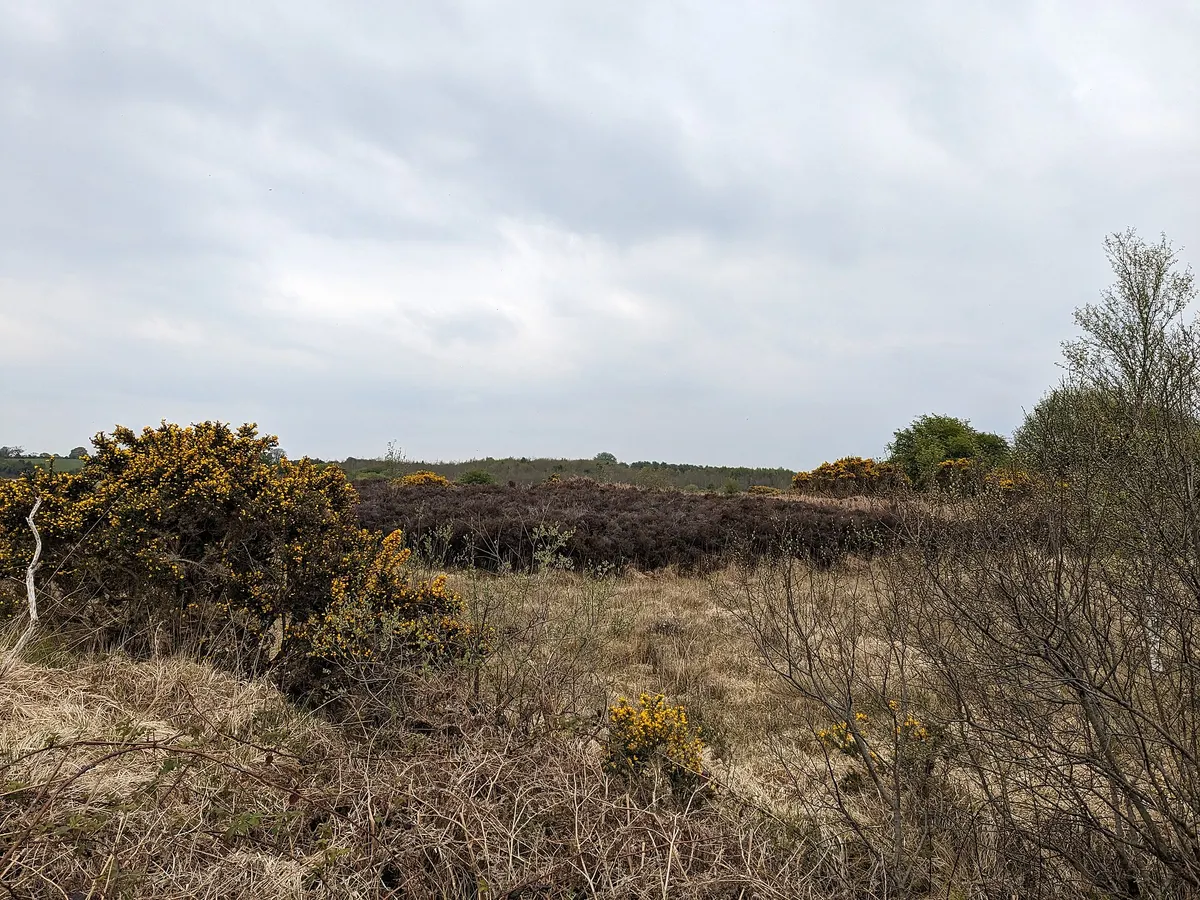
Human-caused climate change is primarily driven by fossil fuels, but shifting how land is used has historically accounted for about one-third of all carbon dioxide emissions. While deforestation gets much of the attention, a new study reveals that draining ancient wetlands known as peatlands plays a major, long-lasting role in heating the planet.
Researchers led by Jevan Yu at the Massachusetts Institute of Technology modeled the global climate impact of peatland drainage starting from the year 1800. Their findings show that past and ongoing wetland destruction has added a warming effect equivalent to about 2.7 percent of the total human-caused change in Earth's energy budget, meaning roughly 4 percent of all carbon once buried in peat has entered the atmosphere.
What happened
Peatlands are waterlogged environments like bogs and fens where organic matter accumulates into thick layers. These areas hold roughly 600 billion tons of carbon, which is more than all the world's living vegetation combined. Because these soils are permanently inundated, oxygen is scarce, leaving slow-working anaerobic bacteria to decompose the organic matter. Instead of releasing carbon dioxide, undisturbed peatlands naturally produce smaller amounts of methane, a potent greenhouse gas that eventually oxidizes into carbon dioxide.
To repurpose peatlands for agriculture and other uses, humans have historically drained them by digging ditches. This lowers the water level, introduces oxygen to the exposed peat, and triggers aerobic bacteria to rapidly release large amounts of carbon dioxide while reducing methane emissions. The MIT research team built a global model using recent gas emission measurements and historical water-level reconstructions starting in 1800.
By calculating the change in Earth's energy budget, the researchers determined that by 2020, carbon dioxide emissions from drained peatlands contributed about +83 milliwatts per square meter of Earth's surface, offset slightly by -9 milliwatts per square meter from reduced methane emissions. This brought the total net warming effect to +73 milliwatts per square meter. Regionally, Europe drove over half of the historical carbon dioxide emissions, Southeast Asia contributed nearly a quarter with a sharp increase in recent decades, and North America accounted for 14 percent.
Why it matters
Draining a peatland starts a continuous chemical process that keeps releasing carbon for generations. According to separate findings in the Peatland Atlas 2023, published by the Heinrich-Böll-Stiftung and other groups, global peatland drainage accounts for more than two billion tonnes of carbon dioxide annually, causing significantly more emissions than global air traffic. Continued destruction acts as an accelerant for both the climate crisis and species extinction.
The background
Peatlands act as vital guardians of the global climate by locking away vast quantities of carbon over thousands of years. However, industrial and agricultural demands have heavily degraded these ecosystems. In Europe, drained peatlands are responsible for roughly 7 percent of all greenhouse gas emissions, and more than one-third of emissions specifically within the agriculture and land use sectors. Major contributors to global drained peatland emissions include Indonesia, Russia, and the European Union, the latter of which also imports goods like palm oil and pulp produced on destroyed peatland areas elsewhere.
What happens next
Because past land-use changes continue to release emissions long after the initial drainage, the climate impact will grow if current conditions persist. The MIT model shows that if peatland water levels are simply held constant from 2020 onward, the total change in Earth's energy budget will nearly double to 138 milliwatts per square meter by 2100. However, the researchers found that moderate or ambitious restoration of peatland water levels could curb this growth or even reduce the warming effect below 2020 levels. Experts argue that achieving international climate goals under the Paris Agreement requires aggressively rewetting hundreds of thousands of hectares of peatlands annually through legally binding conservation policies.
Key takeaways
- Past and ongoing peatland drainage accounts for roughly 2.7 percent of the total human-caused change in Earth's energy budget.
- Undisturbed peatlands store around 600 billion tons of carbon, surpassing the carbon content of all the world's living vegetation combined.
- Europe generated over half of the historical carbon dioxide emissions from drained peatlands, while Southeast Asian emissions have surged in recent decades.
- Holding water levels constant without intervention will nearly double the warming effect of drained peatlands by the year 2100.
- Ambitious restoration and rewetting efforts can halt ongoing emissions and potentially shrink the climate impact of degraded wetlands.