
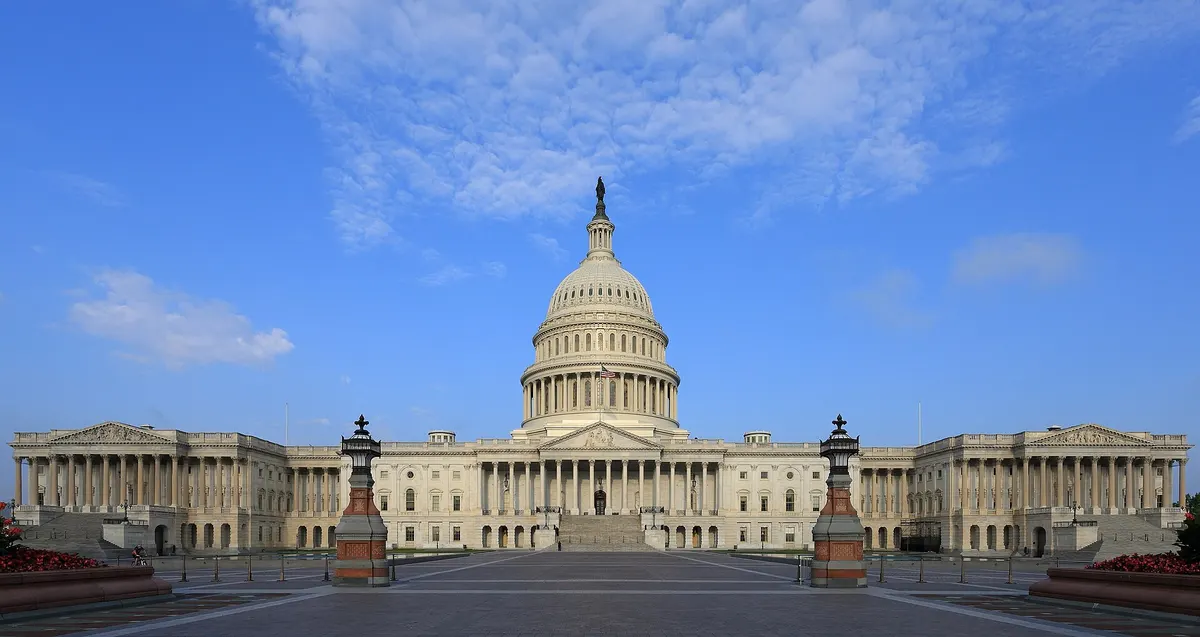
Democrats are set to take control of the Senate next year with a 56-seat majority, following a midterm election cycle that upended Washington politics. The final seat was confirmed when Democrat Mary Peltola defeated incumbent Republican Dan Sullivan in Alaska.
Party leaders are now preparing an aggressive legislative and investigative agenda as they return to power under a divided government. Donald Trump remains in the White House with two years left in his second term, setting up high-stakes battles between the executive branch and a newly empowered congressional opposition.
What happened
The confirmation of the Democrats' 56-seat majority came on Tuesday after a lengthy ballot-counting process in Alaska concluded with Mary Peltola defeating Dan Sullivan. Sullivan's loss marked the ninth Republican Senate seat flipped by Democrats in the midterm elections, a result top Senate Democrat Chuck Schumer described as a political earthquake.
The sweeping gains included victories in states that have not sent a Democrat to the Senate in decades, such as Texas, South Carolina, and Mississippi. Meanwhile, in the House of Representatives, Democrats also won a decisive majority, nominating Hakeem Jeffries as speaker.
Despite the landslide, the new congressional majority faces immediate institutional hurdles. Donald Trump responded to the election results by posting an image of a red cap bearing the word "VETO" on Truth Social.
Why it matters
The expanded majority gives Democrats their largest presence in the Senate since the first two years of Barack Obama's presidency, when the caucus briefly held 60 seats. Party leaders Schumer and Jeffries have stated plans to focus on lowering household costs, investigating the administration, and pushing back against what they term administrative chaos.
However, the legislative impact will be constrained. The 56-seat total is not large enough to override a presidential veto without a two-thirds majority in both chambers, meaning Democrats will need to peel off Republican votes. Nor is the caucus large enough to bypass the Senate filibuster on party-line votes without Republican support.
Internally, the party must also navigate deep ideological divisions. Incoming senators and sitting members hold starkly different views on foreign policy, particularly regarding U.S. aid to Israel and accusations of genocide in Gaza.
The background
Two years prior to this election, voters had ousted Democrats from control of the Senate and returned Donald Trump to the White House. The path to reclaiming the majority required Democrats to pick up at least four seats, primarily in states that supported Trump in the 2024 presidential election.
Voters ultimately soured on the administration's handling of the economy, immigration, and the war with Iran, fueling the broader anti-incumbent wave. The new Congress will be sworn in on January 3, 2025, operating under divided government rules.
What happens next
Senate Democrats must first resolve their own internal leadership contest. Maryland Senator Chris Van Hollen launched a challenge against Chuck Schumer for the role of majority leader, with a behind-closed-doors caucus vote scheduled for December 1.
Once the 120th Congress convenes in January, party leaders plan to focus on areas of internal consensus, such as recreating subsidies for Affordable Care Act health plans and forcing a repeal of Trump's tariffs. Contentious debates over foreign policy, military shipments to Israel, and broader legislative oversight are also expected to dominate the legislative agenda.
Key takeaways
- Democrats secured 56 seats in the Senate, marking their largest majority in nearly two decades.
- The landslide victory included nine flipped Republican seats across states like Alaska, Texas, South Carolina, and Mississippi.
- President Donald Trump holds veto power and has signaled resistance, meaning Democrats will need Republican votes to pass major legislation over vetoes.
- Senate Democrats face an internal leadership vote on December 1 between Chuck Schumer and challenger Chris Van Hollen.