
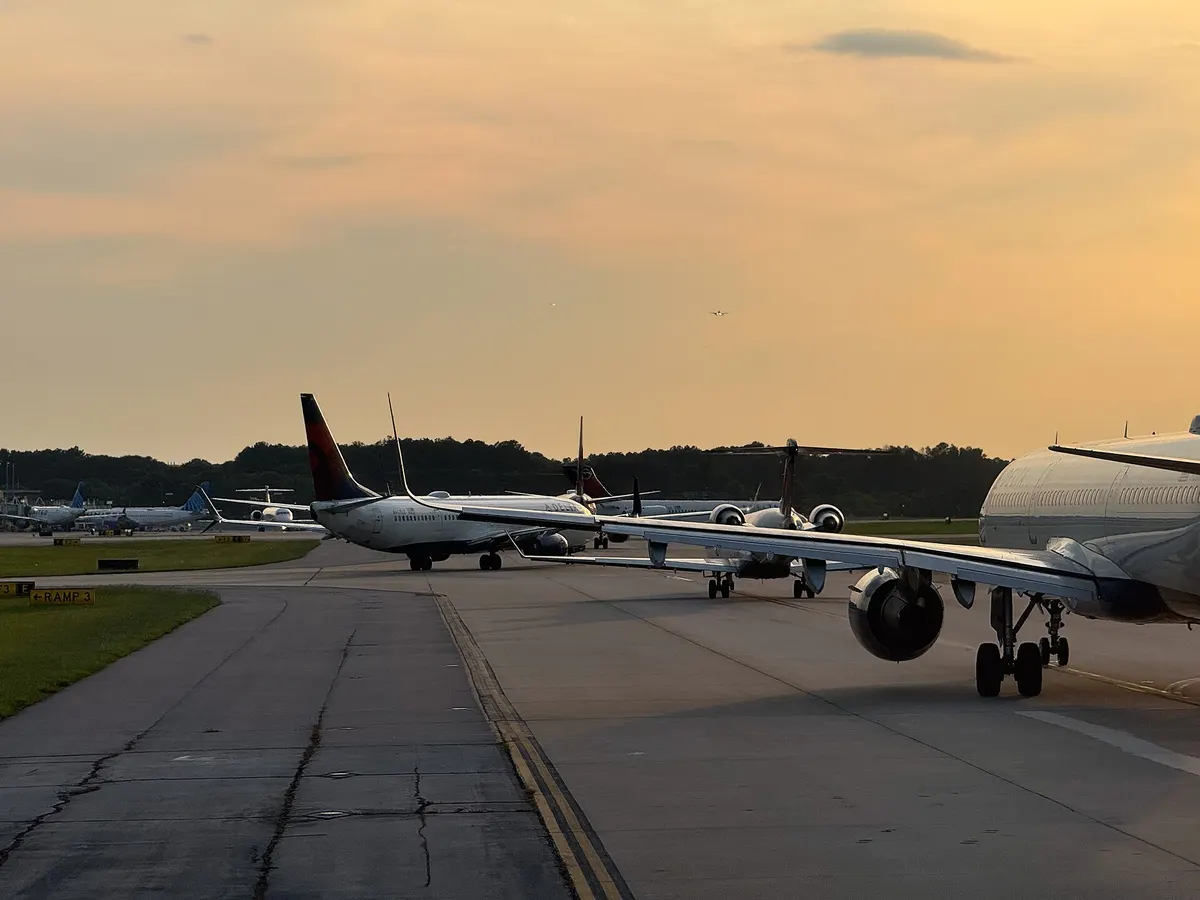
Delta Air Lines is currently experiencing significant flight delays for all arrivals and departures at Hartsfield-Jackson Atlanta International Airport. The disruption stems from a technical failure within the automated system responsible for calculating critical flight data, forcing the airline to rely on manual procedures to continue operations.
While the issue is currently centered on Delta’s largest hub, the nature of aviation logistics means that delays can quickly ripple across a national network. Passengers are advised that the situation remains fluid as technical teams work to restore full automation.
What happened
The core of the problem is a failure in the software used to determine an aircraft's total weight and balance. This system calculates the combined mass of the airframe, fuel, passengers, and cargo, while also establishing the plane’s center of gravity. These data points are mandatory for safe flight operations, as they ensure the aircraft is properly loaded before it can legally or safely depart.
Delta confirmed that the system went offline, necessitating the use of manual workarounds to safely process departures. While the airline has not specified the exact cause of the software failure, the issue has led to a backlog at Hartsfield-Jackson. The Federal Aviation Administration has also been involved, at times ordering ground stops for flights bound for the Atlanta hub to manage the flow of traffic during the outage.
Why it matters
Hartsfield-Jackson is one of the busiest airports in the world and serves as the primary hub for Delta. Because this facility acts as a central node for the airline’s operations, any disruption there creates a domino effect. When planes are delayed on the ground, crews often run out of their legally permitted duty hours, and aircraft become unavailable for subsequent scheduled flights. This leads to "knock-on" delays that can affect passengers far beyond the Atlanta area, even if their specific flight is not initially grounded.
The background
Delta Air Lines is a major global carrier that relies on highly complex, interconnected software systems to manage everything from flight planning and fuel calculations to baggage handling. These automated systems are designed to process massive amounts of data in seconds, allowing for the rapid turnover of flights. When these systems fail, the industry often reverts to manual, paper-based processes, which are significantly slower and prone to human error, leading to the types of delays currently being reported.
This incident follows a period of heightened sensitivity regarding aviation technology. Earlier in the month, a separate, nationwide ground stop occurred following a telecommunications network overload. While that event was traced to a router installation by a contractor, it highlighted the fragility of the aging infrastructure that supports modern air travel.
What happens next
Delta has stated that its teams are actively working to restore the automated systems to full functionality. Until the automation is back online, passengers should expect continued, though potentially variable, delays as the airline manually processes flight data. It remains unknown how long the manual workarounds will be required or if the backlog will persist into the coming week. Travelers are encouraged to monitor their flight status directly through the airline’s website or mobile application, as the situation is expected to evolve throughout the day.
Key takeaways
- Delta Air Lines is experiencing significant flight delays for all arrivals and departures at Hartsfield-Jackson Atlanta International Airport.
- The disruption stems from a technical failure within the automated system responsible for calculating critical flight data.
- Delta teams are using manual workarounds this morning to safely get flights departed while work continues to restore automation.
- Because this facility acts as a central node for the airline’s operations, any disruption there creates a domino effect.