
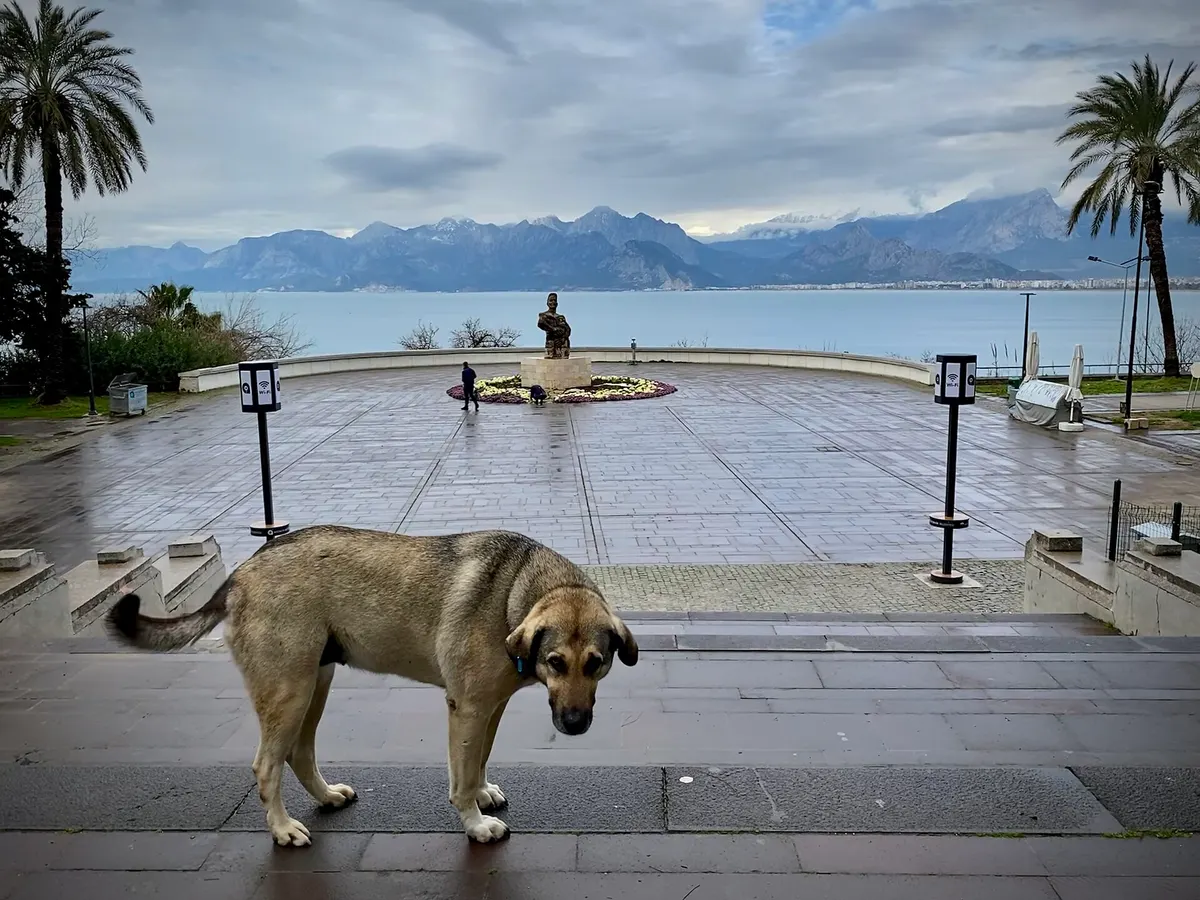
The COP31 United Nations climate summit in Antalya, Turkey, has collapsed after nearly 200 nations failed to reach a final agreement. The marathon negotiations ran more than 49 hours past their scheduled deadline, making them the longest-running climate talks in UN history.
Despite being co-hosted by Australia and Turkey, the summit failed to deliver its central political agreement, known as the Antalya Pacts. Delegates walked out amid intense disputes over the exclusion of fossil fuel language and unfulfilled financial pledges for developing nations.
What happened
The summit finished in a chaotic finale on Sunday, November 23, after stretching two days over schedule. COP31 President and Turkish Environment Minister Murat Kurum banged the gavel to conclude the marathon talks following an unsuccessful effort by negotiations chair and Australian climate minister Chris Bowen to broker a consensus. Bowen conceded he could not overcome what he termed unbridgeable red lines among nearly 200 participating countries. The draft agreement had sought to introduce an overarching cover decision that acknowledged the likelihood of global temperatures overshooting the 1.5C threshold established in the Paris Agreement. It also included mentions of carbon dioxide removal technologies. However, negotiations fractured completely over fossil fuel language. The European Union and Saudi Arabia clashed over the pace of moving away from coal, oil, and gas, while other delegations walked out entirely over the absence of explicit fossil fuel mentions in the text. Accusations flew freely during the final meeting. An EU representative claimed the talks had been hijacked by oil states, while a Russian delegate directly criticized European climate finance mechanisms as an old colonial distribution of labor.
Why it matters
The collapse of COP31 represents a serious blow to multilateralism and the ability of nations to address global crises cooperatively. Developing nations are bearing the heaviest toll from extreme weather, spending more on disaster recovery, infrastructure, and crop failures than on health and education. Rich countries failed to put a firm figure on how much more money will be provided to help vulnerable nations adapt to climate impacts, leaving previous commitments unfulfilled. This breakdown threatens international trust at a time when the UN has warned that global temperatures are expected to exceed 1.5 degrees Celsius above pre-industrial levels, threatening a higher risk of extreme heat, ocean acidification, and accelerated sea level rise.
The background
COP31 took place against the backdrop of glacier collapses, record European heat, and widespread wildfires across Asia in 2026. The annual UN climate summits operate on a consensus model where nearly 200 countries must agree on final texts. At COP28 in Dubai in 2023, nations made a landmark pledge to transition away from fossil fuels, a commitment that remains legally intact but proved impossible to reaffirm in Antalya. Furthermore, at COP29 in Baku in 2024, rich nations pledged $300 billion a year by 2035 from public and private sources to assist the developing world, following previous goals to triple adaptation finance. Developing nations argued these funds have been slow to arrive and largely delivered as loans rather than grants.
What happens next
With the summit ending without a cover decision or a finalized climate goal, questions are being asked more loudly than ever before about whether the COP process can still deliver international agreements. The failure to secure consensus on existing pledges leaves major questions unanswered regarding how the global community will finance climate adaptation and curb emissions as extreme weather intensifies.
Key takeaways
- The COP31 UN climate summit in Antalya, Turkey, ended in failure after nearly 200 nations failed to bridge splits over fossil fuels.
- The marathon negotiations ran more than 49 hours past their scheduled deadline, making them the longest-running climate talks in UN history.
- Rich nations failed to put a figure to how much more money could be given to developing countries to adapt to climate change.
- An EU representative stated that the talks had been hijacked by some oil states during a contentious and fractious final day.