
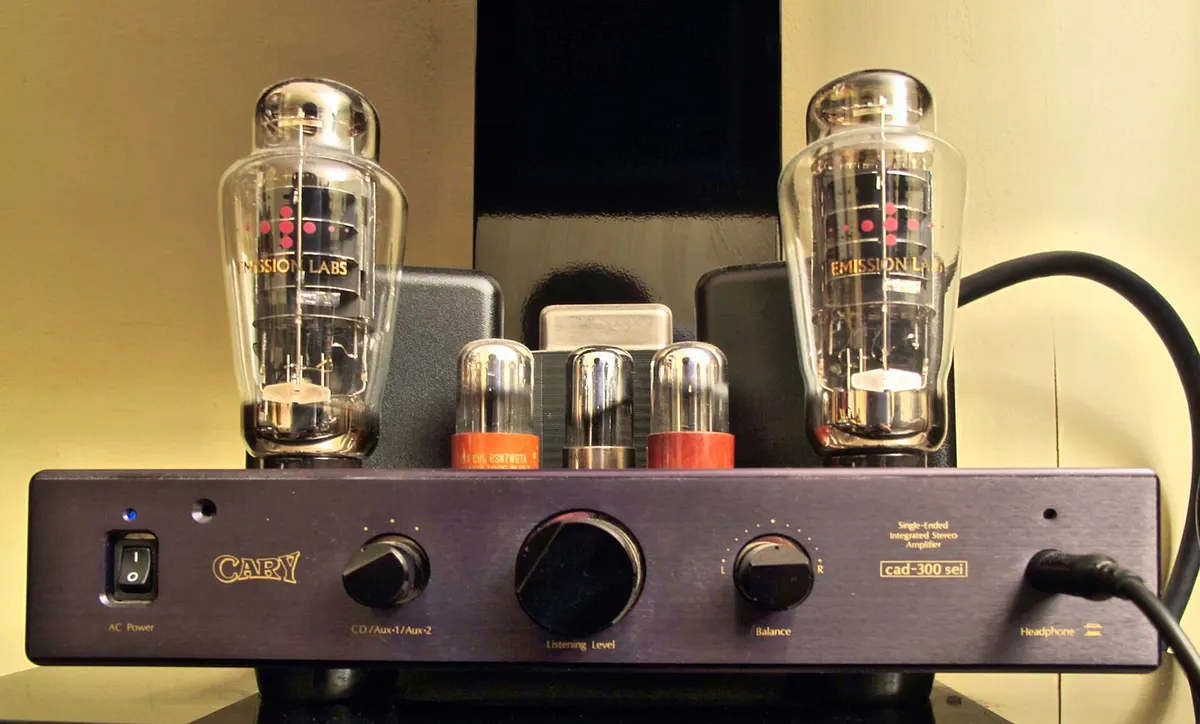
When listening to music through headphones, you do not always need external hardware if your computer or laptop's headphone jack already delivers clean audio at a comfortable volume. However, when a headphone jack falls short or fails to satisfy, buyers must choose between an all-in-one DAC/amp unit or a stack of separate components. Both setups ultimately perform the same core functions, but they cater to very different preferences in space, cost, and gear flexibility.
Choosing the right audio hardware comes down to balancing technical requirements with everyday convenience. While audiophiles often gravitate toward multi-component stacks for modular upgrades, most everyday listeners will find that an integrated combo unit meets their needs while saving desk space and money.
What happened
A digital-to-analog converter, or DAC, translates digital audio signals into analog signals. An amplifier then takes those analog signals and powers them up so they are loud enough to drive your headphones. Manufacturers package these components either into a single housing or as separate standalone units known as a stack.
For most users, a DAC/amp combo is the most practical choice. Single units reduce clutter by eliminating dangling cables and cutting down on power adapters. They can also offer better financial value. For example, Schiit's Magni 6 amplifier costs $169 with an optional internal USB DAC. Buying the Magni 6 separately for $99 and pairing it with a Modi 5 DAC for $149 pushes the total past $250 without even including an interconnect cable.
Combo units can also deliver massive power without severe compromises. The $549 JDS Labs Element IV produces up to 3.2 watts per channel into 32 ohms and includes features like automatic gain switching, EQ, and preamp outputs for powered speakers. Conversely, audio enthusiasts who use a wide variety of headphones or prefer tinkering often favor a stack. Separates give listeners the freedom to upgrade an amplifier down the line without replacing a functioning DAC, or vice versa.
Certain demanding headphones also benefit from the specialized power of a dedicated amp. High-impedance headphones require substantial voltage, while planar magnetic models like the HiFiMAN Susvara Unveiled—which features a 45-ohm impedance and 86 dB sensitivity—can demand at least 6 watts of amplification. Standalone amplifiers are also more likely to provide extra analog inputs, additional gain settings, and balanced headphone outputs. However, these separates cost more, with high-end models like the Topping A70 Pro priced at $499, and they require extra cabling and physical space.
Why it matters
Selecting the wrong audio hardware can result in wasted money or subpar sound performance. Matching a very powerful standalone amplifier with highly sensitive headphones can introduce an audible hiss, while an underpowered headphone jack may fail to drive demanding audiophile gear to its full potential. Understanding the power specs of your headphones protects your investment and ensures optimal listening clarity.
The background
Laptops and desktop computers have traditionally relied on internal sound cards to process audio, but external DACs and amplifiers have long served as the gold standard for high-fidelity personal audio. Brands like Schiit, JDS Labs, and Topping design dedicated desktop electronics specifically engineered to optimize the performance of premium over-ear headphones and in-ear monitors.
What happens next
Consumers must evaluate the impedance and sensitivity ratings of their specific headphones before purchasing any hardware. Hardware manufacturers continue to release new iterations of both integrated desktop DAC/amps and modular separates to cater to evolving audiophile preferences.
Key takeaways
- A DAC turns digital audio signals into analog signals, while an amplifier makes those signals loud enough to power headphones.
- For most listeners, an all-in-one DAC/amp combo provides better value, takes up less space, and reduces cable clutter.
- Separate component stacks give audiophiles the freedom to upgrade individual parts of their audio chain over time.
- Certain demanding headphones require the high power output and specialized connections found on dedicated standalone amplifiers.