
Domestic energy bills across England, Scotland, and Wales are set to increase by 26% in January under the latest price cap announced by regulator Ofgem. The steep rise, driven by higher global gas prices, will put fresh pressure on millions of household budgets that are already strained by the cost of living.
To cope with the upcoming increase, consumers are adopting varied strategies ranging from shifting heavy appliance usage to specific days to altering domestic heating habits. Individual experiences highlight how people on different incomes and tariffs are attempting to protect their finances ahead of the price hike.
What happened
The regulator Ofgem announced a 26% increase in its quarterly energy price cap beginning in January, driven primarily by rising global gas prices. The adjustment directly impacts households on standard variable tariffs across Great Britain, raising average annual energy costs significantly.
In response, householders are adjusting their daily routines to keep bills manageable. Kelly Anne Harvey, a 44-year-old building surveyor living near Blackpool, currently pays around £154 a month on a standard variable tariff with Octopus Energy. Having experienced bill arrears several years ago, her family relies on electric blankets and portable oil radiators to avoid running central heating frequently. They also participate in a tariff scheme that rewards lower electricity usage during peak early evening hours with a free hour of energy on weekends, leading them to concentrate tasks like laundry, dishwashing, and electric vehicle charging on Sundays.
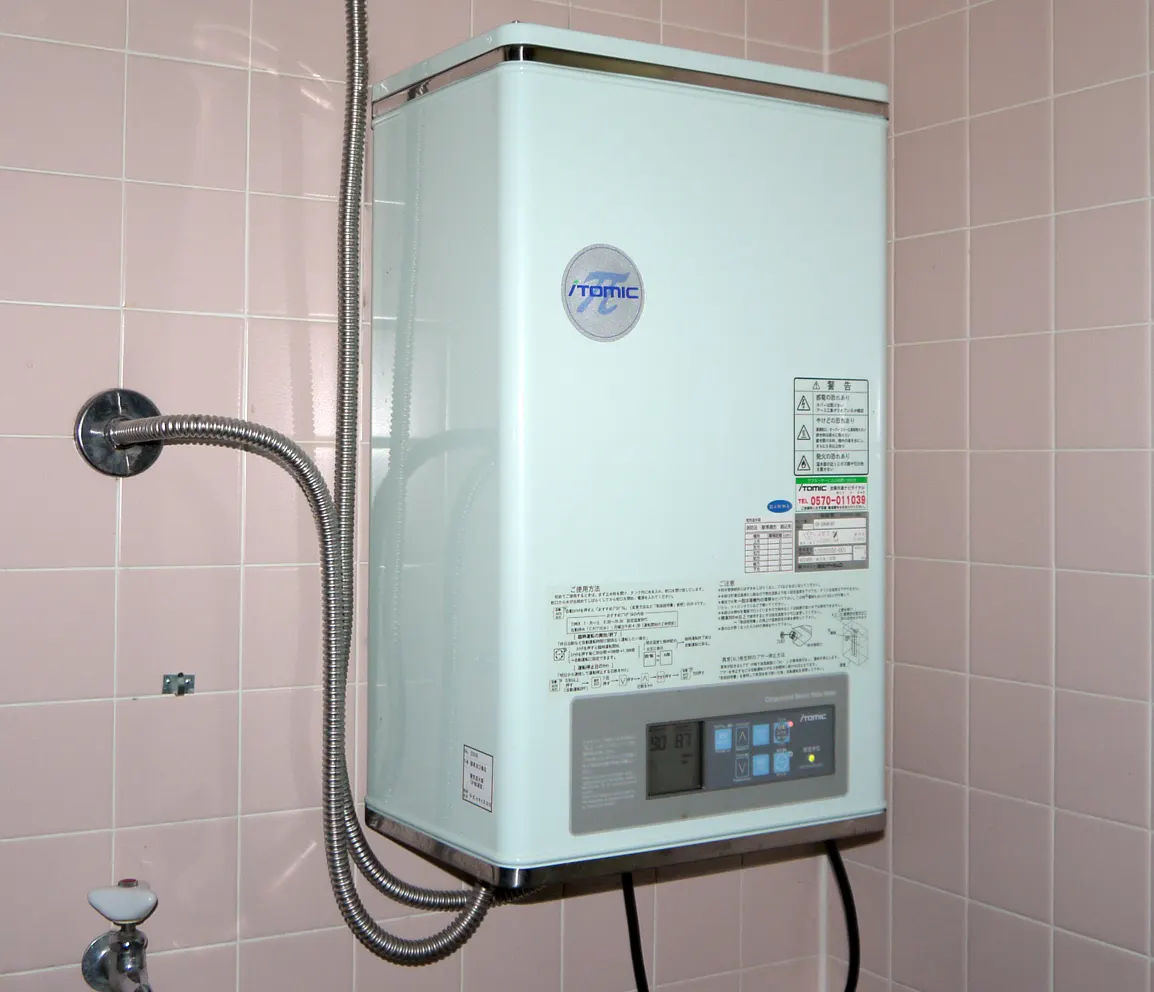
Other consumers are making structural adjustments to their heating setup. Stacey, a 40-year-old single mother of two in Bristol on an E.On Next fixed tracker tariff, expects her energy costs to reach £1,800 this year—an increase of £400 over the previous year. She has lowered her thermostat from 22C to 19.5C, keeps curtains closed to retain warmth, restricts shower times, and pays via direct debit, which typically saves £138 annually compared to paying upon receiving a bill. In rural Lincolnshire, finance worker Bradley Knowles relies on home heating oil, which fluctuated from 50p to 60p per litre two years ago up to £1.30 before settling around £1 per litre. To limit costs, he buys 1,000 to 1,500 litres in bulk during summer and uses electric radiators and an electric warm water storage tank rather than keeping an oil boiler running constantly.
Why it matters
The 26% price cap increase forces millions of households across Great Britain to reallocate their monthly spending or face potential debt. Energy costs directly affect disposable household income, hitting low-income families particularly hard when winter weather increases demand for heating.
For households already managing debt or low incomes, even minor price changes can force substantial reductions in essential home comfort. As energy tariffs become more volatile, consumers are increasingly seeking fixed-rate deals or specialized tracker tariffs to establish predictable monthly expenses.
The background
Ofgem, the independent energy regulator for Great Britain, sets a quarterly price cap that limits the maximum rate energy suppliers can charge consumers per unit of electricity and gas on standard variable tariffs. The cap reflects wholesale market costs, network charges, and regulatory requirements across England, Scotland, and Wales.
Wholesale gas prices have experienced heightened volatility in recent years due to geopolitical conflicts and global market disruptions. Heating oil, which falls outside the Ofgem price cap because it is supplied to off-grid rural properties by independent distributors, has similarly tracked international oil market shocks, spiking sharply during major international conflicts before settling at elevated levels.
What happens next
The price cap increase takes effect in January, immediately raising energy charges for millions of consumers on standard variable rates. Energy suppliers are expected to launch updated fixed-rate contracts, though market conditions will dictate whether these offers provide meaningful savings.
Consumers will continue seeking ways to minimize impact, including switching payment methods to automated direct debits or enrolling in peak-demand reduction initiatives run by suppliers. Long-term trends in international gas markets will determine whether energy price caps ease or rise further in subsequent quarterly reviews.
Key takeaways
- Ofgem will raise the energy price cap by 26% in January due to surging global gas costs.
- Paying by direct debit saves households an average of £138 per year compared to paying on receipt of a bill.
- Rural households using heating oil purchase bulk supplies in summer to avoid peak winter pricing and high delivery fees.
- Consumers are adopting peak-demand reduction schemes, lowered thermostats, and portable electric heating to limit energy consumption.