
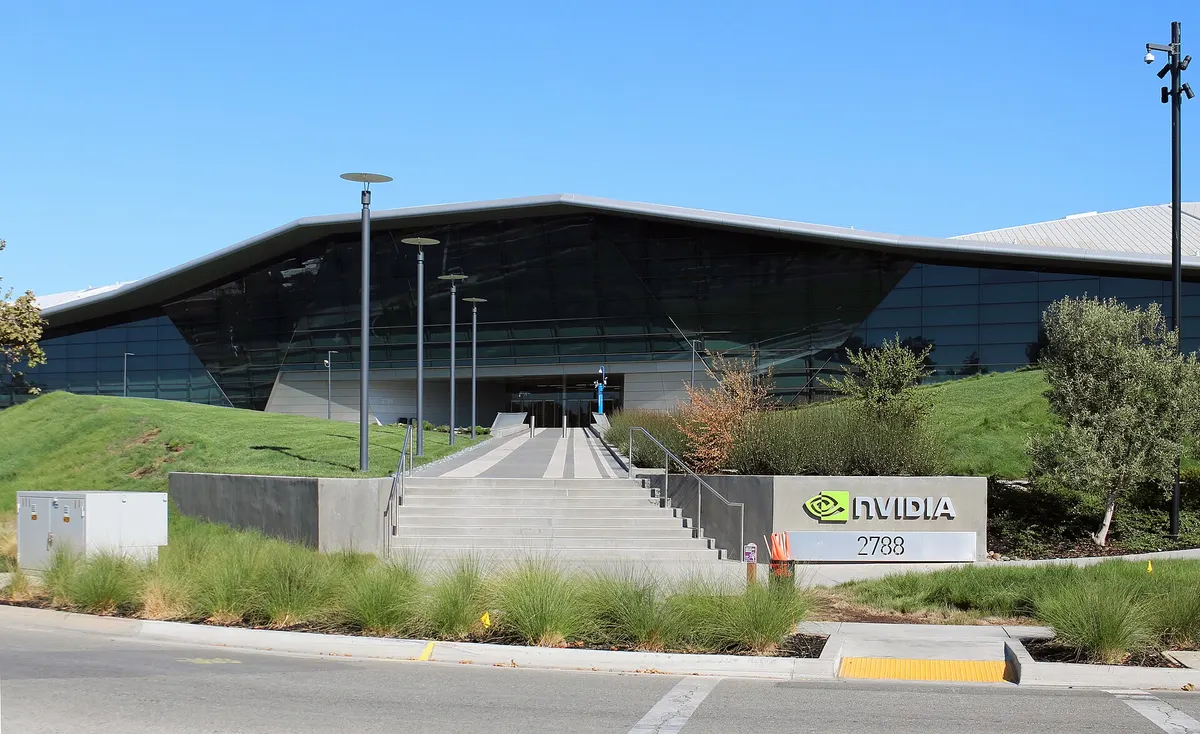
US stock markets extended losses on Wednesday as major technology companies tied to artificial intelligence saw their share prices drop significantly. All three main US stock market indices fell, with the tech-dominated Nasdaq shedding over 2% during early trading.
The downturn reflects mounting nervousness among investors about whether the trillions of dollars pouring into artificial intelligence infrastructure will eventually deliver a profitable return. Major players like Nvidia and Anthropic experienced steep declines, dragging down the broader market ahead of the Thanksgiving holiday.
What happened
Big technology firms connected to artificial intelligence continued to experience falling share prices on Wednesday. Stock in major chipmaker Nvidia and AI firm Anthropic dropped sharply in early trading, with Nvidia's share price sliding 8% to extend previous losses. The tech-focused Nasdaq index fell by more than 2% as a general stock sell-off took hold across all three main US stock market indices.
The recent market turbulence follows a tumultuous fortnight for Nvidia, whose market value fluctuated wildly following the resignation and subsequent reinstatement of its chief executive, Jensen Huang, after revelations of his extramarital affairs. Although Huang's return initially triggered a temporary surge in share prices, that boost quickly faded. Beyond corporate leadership drama, the US government announced a raft of new tariffs on trading partners on Wednesday as part of President Donald Trump's flagship trade policy, adding to the day's economic pressures.
Why it matters
Given Nvidia's central position as both a hardware supplier and a financier for numerous other firms involved in the artificial intelligence rollout, its rocky performance has triggered a wider market impact. Wall Street analysts and investors are increasingly questioning the astronomical financial outlays being made by technology companies trying to outspend one another.
Todd Schoenberger, chief investment officer at CrossCheck Management, noted that firms must eventually demonstrate that their massive spending is economically viable. Furthermore, investors have reacted with alarm to political developments such as Democratic gains in US midterm elections, as some lawmakers campaign for tougher regulation of artificial intelligence companies and potential restrictions on new data centres.
The background
Artificial intelligence has rapidly become the dominant driver of global business investment, transforming technology companies into economic powerhouses that have historically sheltered the wider US economy from global shocks and trade tariffs. Nvidia stands out as the world's premier artificial intelligence chipmaker, supplying the essential advanced processors required to train and run massive machine-learning models.
Despite growing skepticism from investors regarding short-term profitability and soaring development costs, capital expenditure in the sector remains unprecedented. Investment bank Goldman Sachs has projected that total spending on artificial intelligence will exceed $1 trillion in the year 2026, establishing the technology as a foundational pillar of corporate growth.
What happens next
US stock markets are scheduled to close for the Thanksgiving holiday before reopening for a shortened trading session on Friday. While near-term trading sentiment remains highly cautious and volatile, long-term capital deployment into artificial intelligence infrastructure is expected to continue aggressively through the coming years.
Open questions remain regarding how companies will justify their mounting expenditures to skeptical shareholders, how regulators might intervene following recent political shifts, and whether technology leaders will face stricter compliance frameworks.
- All three main US stock market indices fell during Wednesday trading, with the tech-dominated Nasdaq shedding over 2%.
- Nvidia's share price dropped 8% in early trading, extending previous losses as the temporary boost from its boss's reinstatement faded.
- Goldman Sachs projects that total investment in artificial intelligence will exceed $1 trillion in 2026 despite growing Wall Street skepticism.
- Todd Schoenberger of CrossCheck Management warned that technology companies must ultimately prove their massive financial expenditures are actually worth it.