
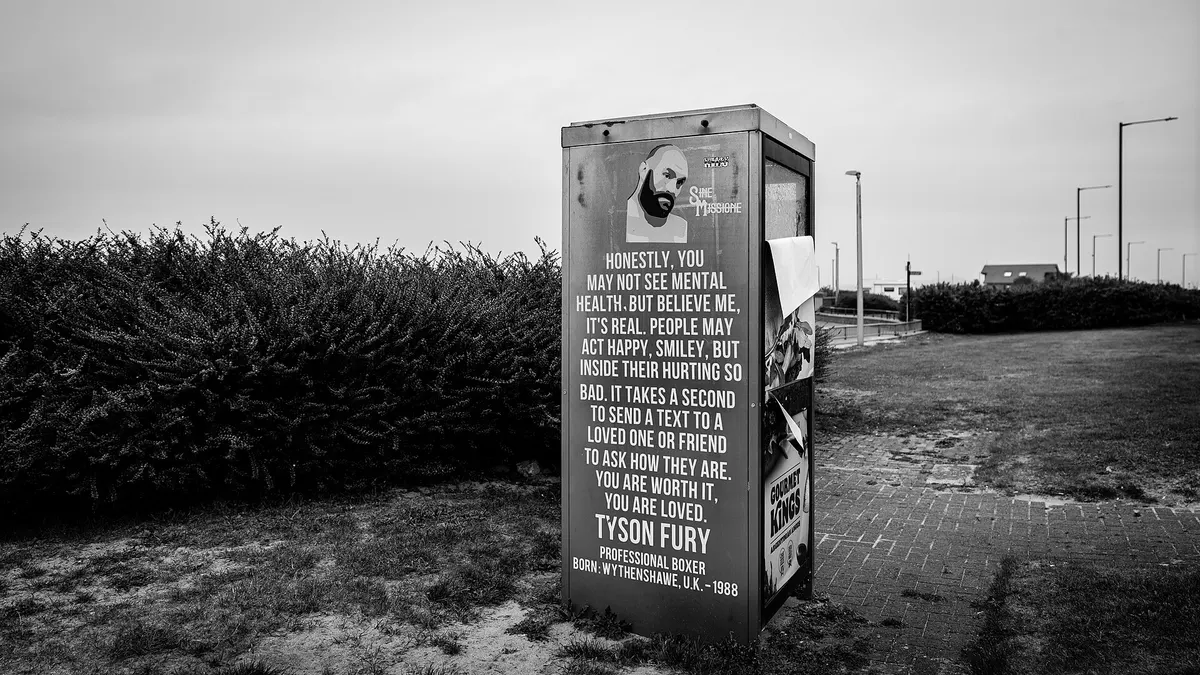
British heavyweight boxer Tyson Fury has revealed that he was diagnosed with schizophrenia and bipolar disorder following his world title win against Wladimir Klitschko in 2015. Speaking in a new Netflix documentary, Fury and his wife Paris detail a severe mental health crisis that led to hospitalization, terrifying paranoid delusions, and a long struggle with drug and alcohol addiction.
The revelations come shortly before Fury's upcoming heavyweight bout against Anthony Joshua, scheduled for December 11 in Cardiff. The documentary offers a frank look at the boxer's darkest years and his subsequent comeback to the sport.
What happened
Following his upset victory over Wladimir Klitschko in 2015, Tyson Fury sank into a deep depression and grappled with drug and alcohol addiction, eventually gaining substantial weight. In June 2016, Fury was admitted to a hospital after suffering what was initially suspected to be a heart attack. His wife Paris rushed to his bedside, finding him terrified and wired to medical monitors.
During this hospital stay, Fury experienced severe paranoid delusions. He begged his wife to get him out, convinced that the Illuminati were trying to kill him. Reports note he believed he had been drugged with anthrax, that he was already dead, and that a hospital radio was having a direct conversation with him, threatening his father's life. Doctors ultimately determined he was suffering from a severe anxiety attack and breakdown.
Following his release, Fury sought help from a psychiatrist in London. He described the evaluation as a process where he ticked every box for depression, anxiety, and bipolar disorder. Subsequent medical assessments confirmed diagnoses of schizophrenia and bipolar disorder. Fury later recalled hearing internal voices telling him to kill himself and threatening his family, leaving him feeling as though he was living in the pits of hell.
Why it matters
The public disclosure brings renewed attention to the severe mental health challenges faced by elite athletes. By opening up about schizophrenia, hallucinations, and suicidal ideation, Fury helps break the stigma surrounding severe psychiatric conditions in professional sports. The candid admissions also cast a stark light on the psychological pressures of sudden athletic success, where reaching the pinnacle of a sport can coincide with personal devastation.
The background
Tyson Fury is a prominent British heavyweight boxer whose career has been marked by remarkable highs and severe personal struggles. His 2015 victory over long-reigning champion Wladimir Klitschko made him a global star, but the aftermath triggered a prolonged absence from the ring, during which he lost his world titles. A turning point came on Halloween in 2017 when he resolved to change his life, sparking a disciplined comeback that culminated in winning another world title by defeating Deontay Wilder in 2020.
Schizophrenia is described by the UK's National Health Service as a form of psychosis with symptoms that include hallucinations, delusions, and muddled thoughts and speech. Bipolar disorder is characterized by extreme mood swings.
What happens next
Fury is preparing for a highly anticipated all-British heavyweight fight against Anthony Joshua, set to take place in Cardiff on December 11. The bout will be broadcast live on Netflix, the same platform streaming the documentary that details his mental health struggles.
Key takeaways
- British heavyweight boxer Tyson Fury revealed he was diagnosed with schizophrenia and bipolar disorder following his 2015 world title win over Wladimir Klitschko.
- Fury experienced severe paranoia and hallucinations during a June 2016 hospital stay where he was initially treated for a suspected heart attack.
- The boxer described hearing internal voices that threatened him and his family while struggling with crippling anxiety, depression, and substance addiction.
- Fury identified a 2017 Halloween night out as the turning point that inspired him to prioritize his family and begin his athletic comeback.