
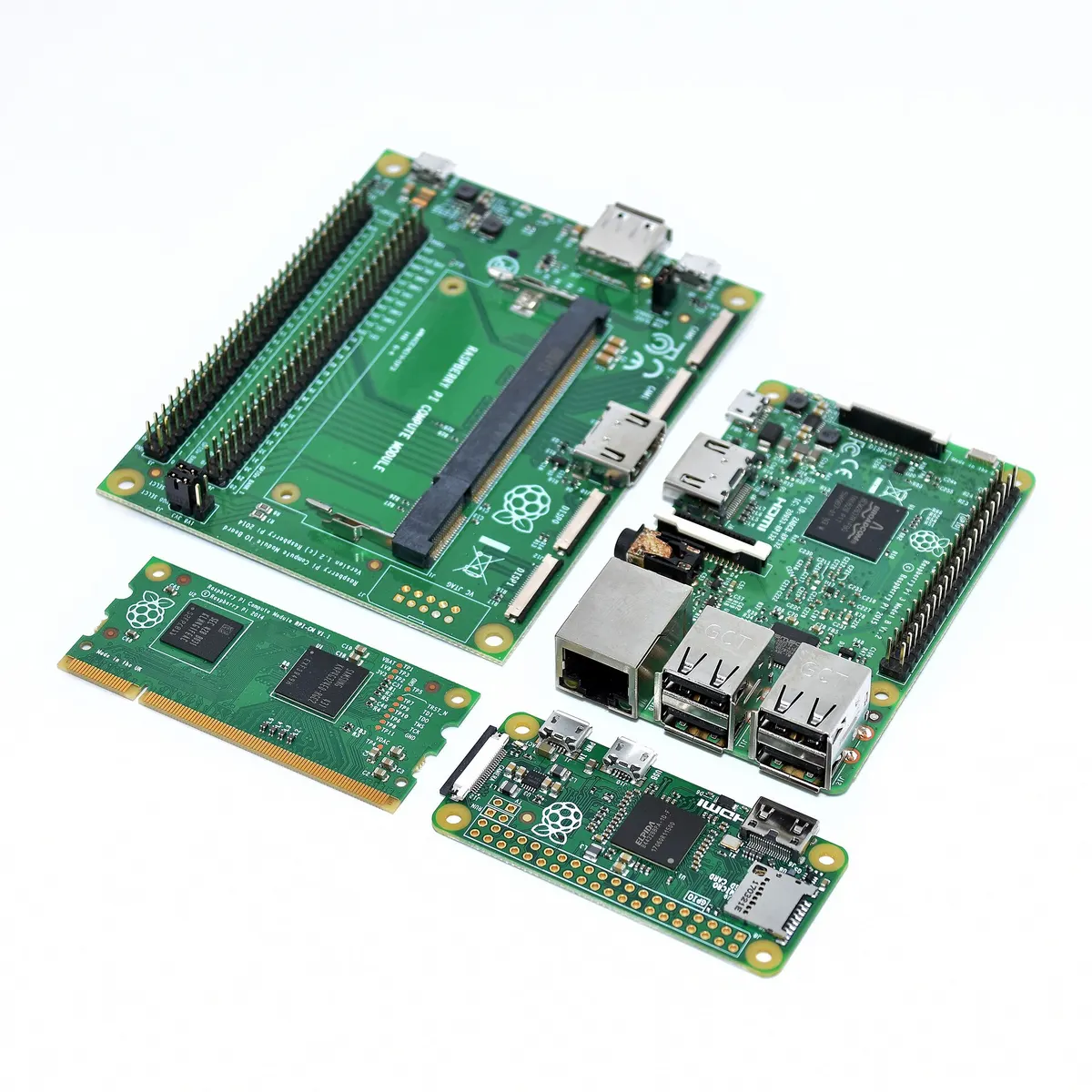
Raspberry Pi devices are popular palm-sized computers celebrated for their versatility, but their open-ended nature often leaves newcomers overwhelmed. Many builds stall before completion, turning promising tech experiments into idle hardware. Selecting straightforward, highly practical starter projects helps ensure these versatile computers deliver immediate, rewarding utility.
Hardware costs have also shifted the landscape for these tiny computers. Driven by demands from artificial intelligence data centers, global memory shortages have pushed some Raspberry Pi prices higher since late 2025, turning what was once an easy impulse purchase into a more deliberate investment.
What happened
To keep hobbyists from abandoning their gear, tech guides recommend focusing on projects with clear, tangible rewards. One of the most popular entry points is setting up a network-wide ad blocker using free, open-source software called Pi-hole. By connecting a Raspberry Pi directly to a home router with an Ethernet cable and configuring the DNS settings, users can block ads and trackers across every device on their Wi-Fi network, including smart TVs and streaming boxes that typically cannot run ad blockers.
Another engaging option is building an old-school gaming machine. By flashing software such as Recalbox, Batocera, or RetroPie onto a microSD card, a Raspberry Pi transforms into an emulator capable of playing classic console and arcade games. While older platforms like the NES or Sega Genesis require very little memory, playing more demanding titles from the GameCube and Wii eras calls for a more powerful Pi 5 with at least 4GB of RAM, along with a compatible game controller and video cables.
Users can also turn their device into a digital media center. Software like LibreELEC boots the computer into Kodi, a TV-friendly interface that organizes and streams personal collections of movies, shows, music, and photos from a hard drive or home server. Features like HDMI-CEC even allow users to control the interface using their existing television remote. Finally, a Raspberry Pi can revive older audio equipment by recreating the functionality of discontinued streaming accessories like Chromecast Audio, turning standard wired speakers into wireless sound systems.
Why it matters
Hardware inflation has made Raspberry Pi purchases significantly more expensive for hobbyists. While budget models remain affordable for lighter tasks, fully loaded versions of the Raspberry Pi 5 now cost substantially more than their original retail price. Because these tiny computers are no longer cheap impulse buys, preventing abandoned projects protects a meaningful financial investment.
The background
Developed by the Raspberry Pi Foundation, the Raspberry Pi is a tiny, low-power single-board computer originally designed to promote basic computer science education. Over more than a decade, it has fostered a massive global community of enthusiasts who use its open design and general-purpose input/output pins for everything from robotics to smart home automation. However, recent global semiconductor and memory constraints—often referred to in the tech industry as RAMageddon—have strained component supplies and raised prices across various small form-factor computers.
What happens next
While hardware markets continue to navigate component supply pressures, the hobbyist community continues to develop accessible software guides and documentation. Beginners can still choose between ultra-low-cost budget models for basic networking tasks or invest in higher-end boards for heavier emulation and computing needs, though specific future pricing trends remain tied to broader semiconductor industry demands.
Key takeaways
- Raspberry Pi projects frequently get abandoned by beginners due to overwhelming software options and complex setups.
- Setting up a Pi-hole allows users to block trackers and advertisements across every device connected to their home network.
- Classic gaming emulators let hobbyists turn their tiny computer into a retro console using software like RetroPie or Recalbox.
- Global memory shortages driven by AI data centers have increased hardware prices for fully loaded Raspberry Pi models since late 2025.