
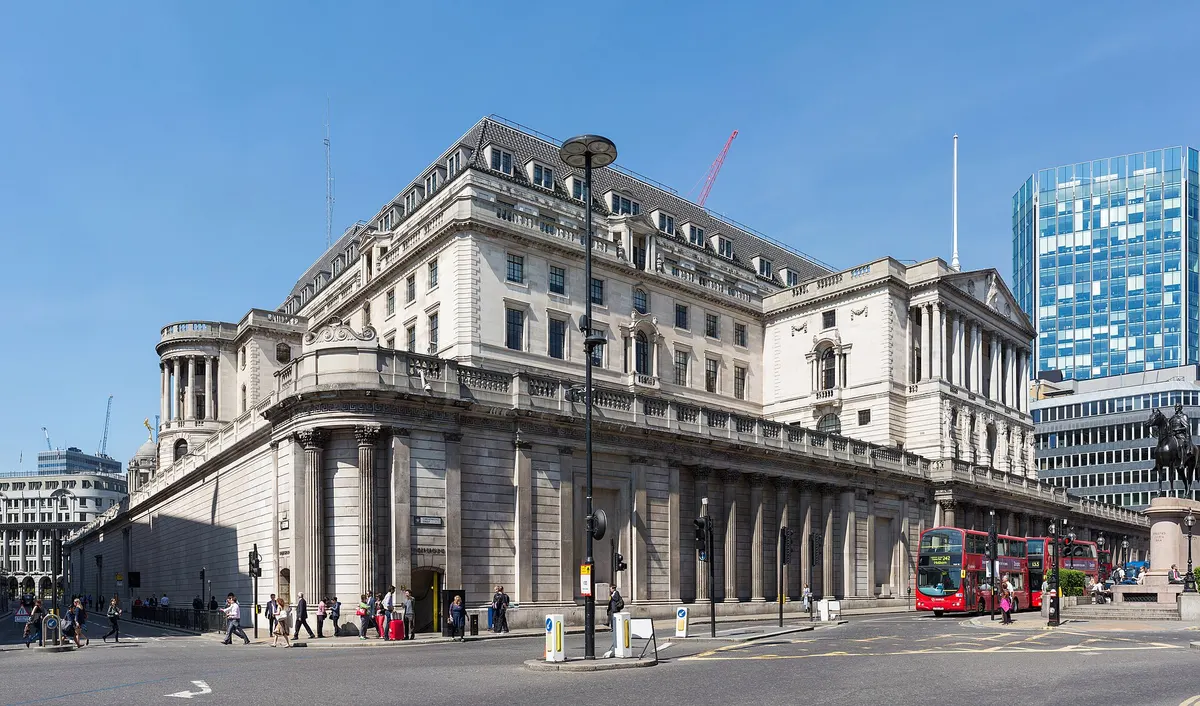
New historical research reveals that prominent figures within Britain's financial system profited from the enslavement of African people long after the practice was outlawed in the British empire. Historian Chris Evans has uncovered that long-serving directors of the Bank of England held major stakes in operations that relied on brutal slave labour in Spanish-controlled Cuba during the nineteenth century.
This exploitation supplied vital copper ore to fuel Britain's Industrial Revolution, particularly benefiting manufacturing hubs in Manchester and Swansea. The findings highlight how deeply entrenched slave-trade wealth was in the British financial establishment, persisting through foreign ventures even as the UK officially dismantled its own domestic slave system.
What happened
While Britain's Slavery Abolition Act was coming into force in the 1830s, City of London financiers were deeply engaged in developing the copper ore deposits of the El Cobre mine near Santiago de Cuba. Key players in this lucrative operation included Bank of England directors Charles Pascoe Grenfell and William Thompson, who acted in a private capacity. The British-led Cobre Mining Company operated the site, which grew to become what researchers describe as likely the largest slave enterprise in the western hemisphere by the 1840s. Enslaved copper miners worked under extreme prison conditions marked by daily violence, torture, and high death rates that suggest thousands of African lives were lost. Many of these miners were likely trafficked to Cuba via illegal voyages from the Bight of Biafra in modern-day Nigeria, defying international treaties signed by Spain under British pressure. Investors who held Cobre shares from the outset received £102 in dividends for every £40 share between 1836 and 1865. Grenfell also served as a partner in a Swansea-based smelter that processed the imported ore, while Thompson directed the Royal Santiago Company, an ore export firm exploiting the captive workforce.
Why it matters
This research underscores the global reach and lasting legacy of colonial exploitation in funding British capitalism. The copper extracted from El Cobre was critical to Manchester's cotton industry, expanding railways, and emerging telegraphy networks, directly connecting British industrial progress to distant human suffering. The findings arrive as the United Kingdom faces mounting pressure to issue a formal apology to Caribbean and African nations for its centuries-long perpetuation of transatlantic chattel slavery. While some political leaders argue that modern Britain bears no responsibility for historical actions, historians and international critics contend that the wealth generated from these colonial enterprises laid the permanent foundations of the nation's modern financial institutions.
The background
Britain officially abolished its trade in enslaved people in 1807 and passed legislation to abolish slavery across most of its empire in 1833. In 1817, Spain signed a treaty under British pressure banning the trafficking of enslaved Africans to Cuba, but local colonial authorities routinely ignored it because the island's lucrative sugar and coffee plantations heavily relied on captive labour. Dozens of financiers involved in founding the Bank of England in 1694 had previously invested in enslavement, establishing a long-standing pattern of financial entanglement with the slave trade. Swansea, where Grenfell's smelter operated, was the nineteenth-century centre of the global copper trade. Historical scholarship tracing the link between British capitalism and slavery dates back to Trinidadian statesman Eric Williams's influential 1944 book, Capitalism and Slavery.
What happens next
Commonwealth leaders and the UK prime minister are scheduled to begin structured dialogue regarding historical accountability and potential reparations over the coming year. Whether these talks will lead to a formal state apology remains a subject of intense political debate within the UK, with prominent politicians sharply divided over whether current generations must reckon with the historic crimes of the British Empire.
Key takeaways
- Bank of England directors Charles Pascoe Grenfell and William Thompson privately profited from brutal slave labour at the El Cobre copper mine in Cuba.
- The Cobre mining operation supplied essential copper ore to fuel Manchester industries and railways during the height of the British Industrial Revolution.
- Original investors in the Cobre enterprise received high financial returns, earning £102 in dividends for every £40 share held between 1836 and 1865.
- Commonwealth leaders and the UK prime minister are set to begin structured dialogue regarding historical accountability and transatlantic slavery within the next year.