
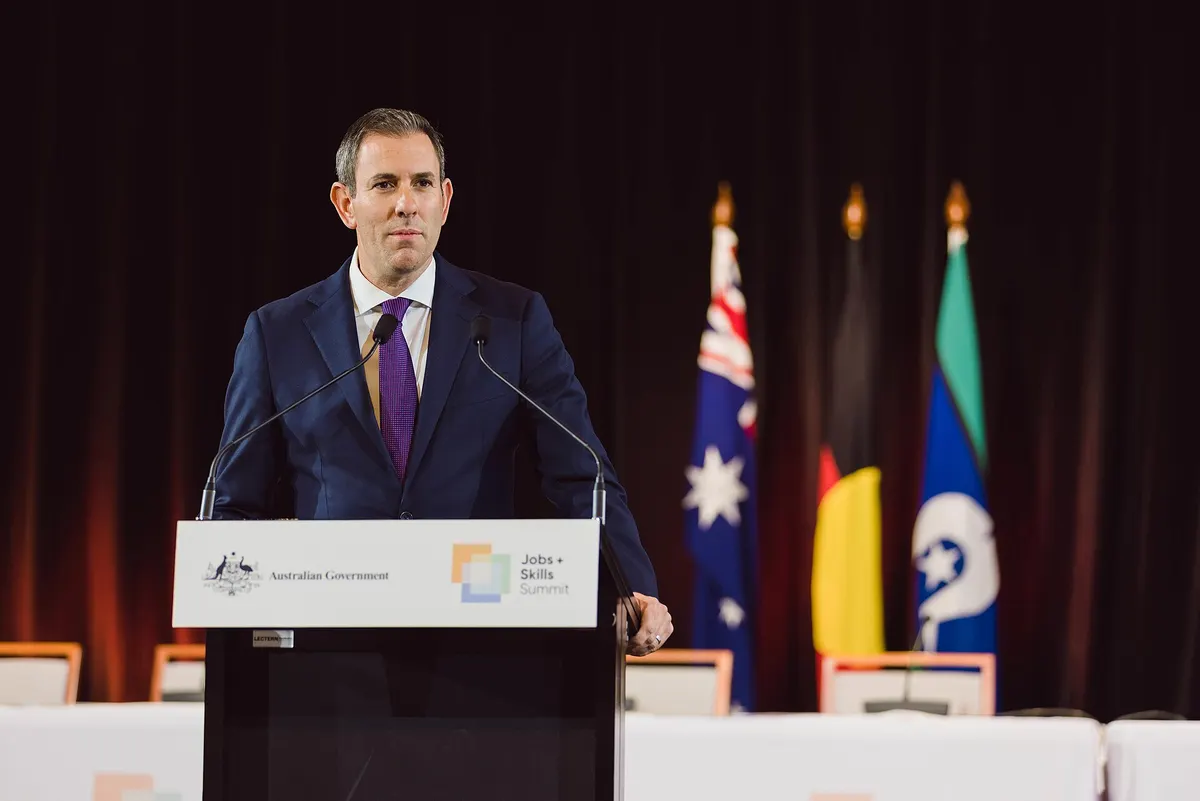
Australian Treasurer Jim Chalmers has warned the public that economic conditions will deteriorate before improving. In a statement to parliament, he revealed that the upcoming mid-year budget update will project higher unemployment and slower economic growth over the coming years.
The warning comes as economists raise concerns about a potential recession in Australia. Officials point to a combination of persistent inflation, high fuel costs, and the lagging impact of previous interest rate hikes as key drivers of the tougher financial environment.
What happened
During question time in parliament, Jim Chalmers delivered a ministerial statement detailing concerning economic figures set to appear in the upcoming mid-year economic and fiscal outlook. He stated that the Australian economy is now expected to grow by less than 2% in both 2027 and 2028. Additionally, Treasury forecasts indicate that unemployment will climb above 5%, following recent data showing the jobless rate had already risen to 4.9% in October. Inflation is expected to slow from 4.7% to the mid-3s by the middle of next year, constrained in part by high fuel costs.
To combat persistent price pressures, Chalmers promised the budget update will include net savings to offset new spending decisions, such as a $242 million extension of the $25 price cap on prescription medicine through the end of the decade. However, he noted that weaker economic parameters and unavoidable spending commitments will result in larger budget deficits in later years.
Why it matters
Everyday Australians face a more difficult economic climate as joblessness rises and growth slows. The situation places political pressure on the government, which has faced public blame for driving inflation through public spending. At the same time, independent economists warn that the country could flirt with a severe economic downturn. Shane Oliver, AMP's chief economist, estimated a high and rising 40% chance of a deeper downturn, noting that economic growth could slump to below 1% under the weight of five recent Reserve Bank interest rate hikes.
The background
The Reserve Bank of Australia has implemented a series of interest rate hikes to cool down inflation. The full effects of these five rate increases are only expected to become completely apparent through 2027. Meanwhile, the federal government has been attempting to balance fiscal restraint with necessary public support, aiming to cut spending enough to curb inflation without suffocating economic growth.
What happens next
Official economic figures are expected to show inflation climbing close to 5%. The mid-year economic and fiscal outlook will be released next month, providing formal updated forecasts from Treasury. Economists will be watching closely to see if the government's proposed savings successfully thread the needle between fighting inflation and avoiding a recession.
- Treasurer Jim Chalmers revealed that upcoming budget figures will show unemployment climbing above 5% alongside slower economic growth.
- The economy is projected to grow by less than 2% in both 2027 and 2028.
- Independent economists estimate a high and rising 40% chance of a deeper economic downturn next year.
- The government plans to introduce net savings in its next budget update to offset new spending without cutting essential public services.