
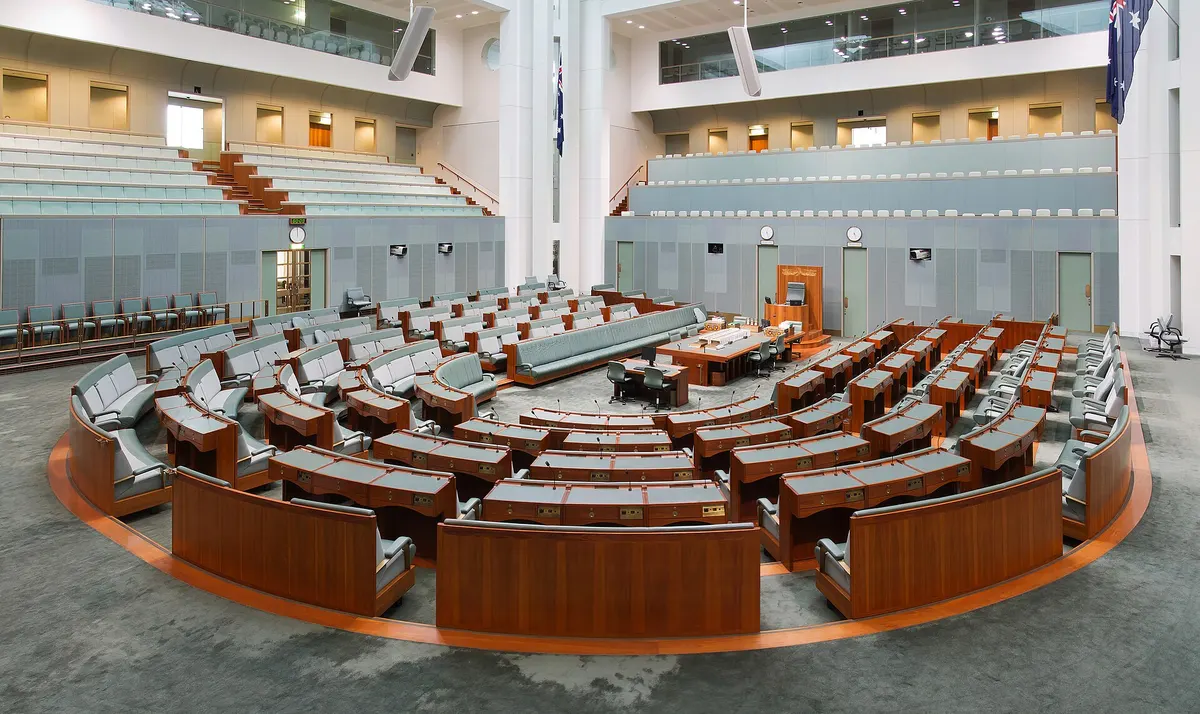
Australia’s federal parliament has passed a controversial new defence bill that grants the government broad powers to secretly classify any facility as a special security zone. The legislation was pushed through both houses with support from Labor and the Coalition, but faced fierce opposition from crossbenchers and legal scholars.
Critics have slammed the law as lazy and irresponsible, warning that it allows ministers to bypass standard parliamentary oversight and override existing state and territory laws without proper public scrutiny. Prime Minister Anthony Albanese defended the legislation as a practical necessity in increasingly unsafe global times.
What happened
The legislation, titled the accelerating capability and protecting bases bill, criminalises entering or photographing a designated defence security zone, or any person, thing or activity within it. Violating these rules carries a maximum penalty of up to seven years in prison, a $152,880 fine, or both. Security zones can encompass permanent military bases as well as temporary, emergency or mobile sites established at the discretion of a minister.
The bill allows a minister to issue a capability declaration that lets certain activities be carried out without contravening or altering how other commonwealth, state and territory laws apply. Crucially, these declarations can be kept secret from being declared as a legislative instrument.
After passing the Senate, the final bill cleared the lower house on Monday evening. It was backed by the major parties, while a small group of parliamentary crossbenchers—including Kate Chaney, Monique Ryan, and Andrew Wilkie—resisted alongside the Greens and independent senator David Pocock. Prime Minister Albanese dismissed critics on Monday, stating that opponents were jumping at shadows and that the powers were practical and necessary.
Why it matters
The new law directly impacts civil liberties and the traditional boundaries of parliamentary oversight in Australia. Legal experts warn that permitting secret alterations to laws creates serious rule of law issues. Professor Emerita Anne Twomey argued that parliament has effectively given up its legislative responsibility by delegating broad discretionary powers to ministers and senior officials.
Citizens could potentially face severe criminal penalties for unknowingly breaching secret rules or entering areas that lack clear public demarcation. Civil society groups, including Digital Rights Watch, argue that the legislation goes far beyond what is necessary to protect military facilities, threatening transparency and accountability.
The background
Prime Minister Albanese defended the legislation by highlighting the volatile international climate, noting that the world currently faces more conflicts than at any time since the Second World War. Governments globally have faced increasing pressure to secure critical infrastructure and sensitive military installations against emerging technological threats, such as commercial drones.
However, Australian lawmakers and legal scholars have grown increasingly vocal about a broader political trend where executive power expands at the expense of parliamentary debate. Constitutional experts have consistently cautioned against rushing complex national security legislation through parliament under the banner of urgent necessity.
What happens next
With the bill officially passing both the Senate and the lower house, the legislation is set to take effect. It remains to be seen how the government will selectively apply capability declarations and designate secret security zones, or whether civil society groups and crossbenchers will mount further legal or political challenges against the discretionary ministerial powers.
Key takeaways
- Parliament has passed a new defence bill allowing ministers to secretly classify facilities as special security zones without standard parliamentary scrutiny.
- Constitutional law expert Anne Twomey criticised the legislation as lazy and irresponsible lawmaking that raises serious rule of law concerns.
- Breaching the new security zones carries severe penalties of up to seven years in jail, a $152,880 fine, or both.
- Prime Minister Albanese defended the laws as practical measures necessary for national security during unsafe global times.