
An Anthropic researcher has demonstrated that vintage computer hardware can achieve extraordinary performance when paired with modern software optimizations and artificial intelligence assistance. By tuning legacy chess engines to run within strict memory and processing constraints, the experiment transforms a decades-old machine into a formidable grandmaster-level opponent.
The project highlights how software efficiency and AI-assisted code modification can dramatically extend the capabilities of obsolete physical hardware. It bridges a vast technological generation gap, pitting 1990s silicon against the tactical mastery of human history's greatest chess players.
What happened
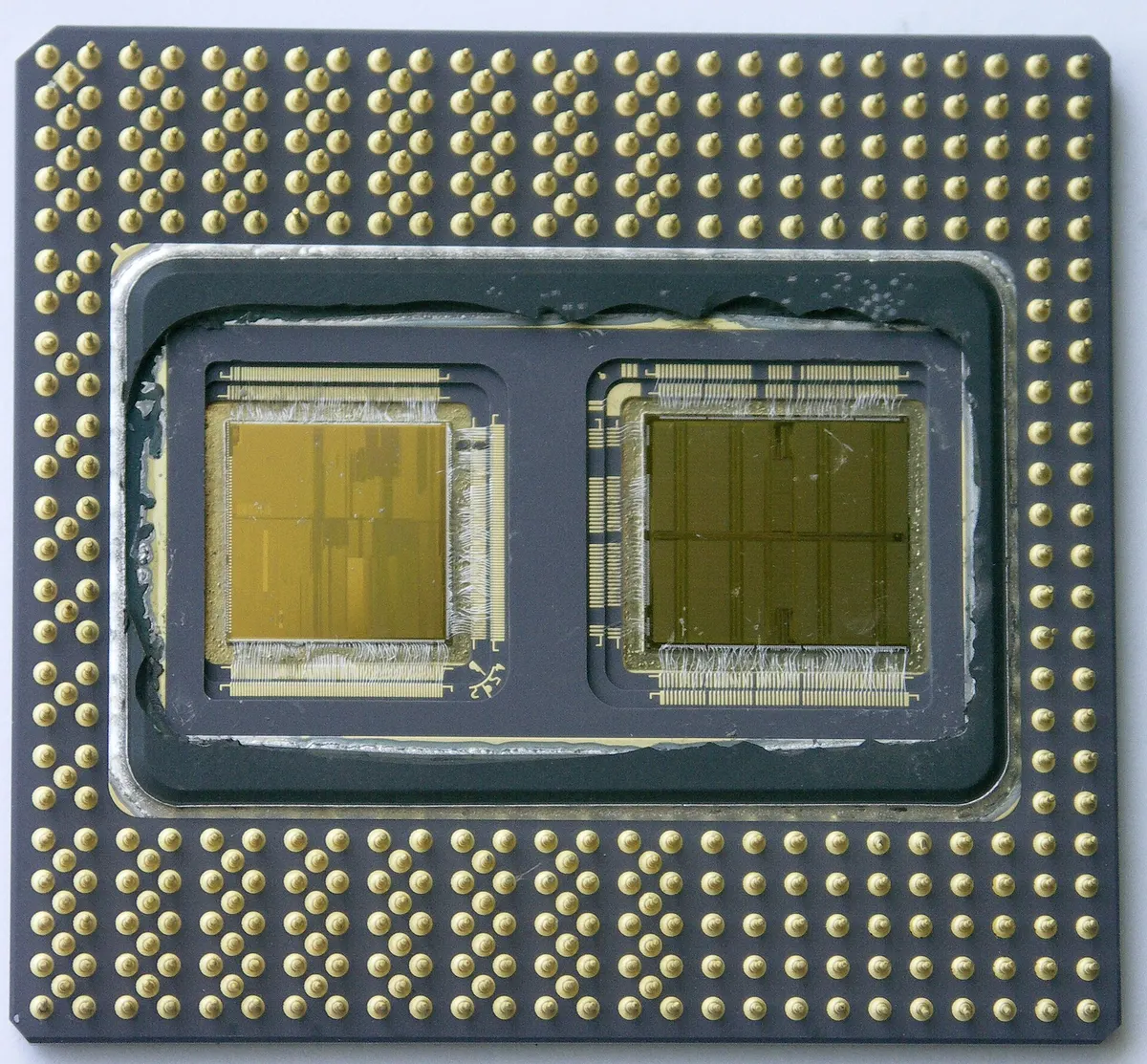
Anthropic engineer Nicholas Carlini acquired a 1995-era computer equipped with a Pentium Pro central processing unit running at a clock speed of 200 MHz, alongside 64 megabytes of random-access memory. For his initial test, he utilized Crafty, a chess engine dating back to 1996, which achieved an Elo rating of 2,000 with one second allotted per move, and 2,400 with ten seconds.
Because Crafty's source code is publicly available, Carlini used Claude to modify the software with modern features. This adjustment pushed the engine's rating to a ceiling of 3,000 Elo when given ten seconds per move.
Next, Carlini turned to Stockfish, a contemporary and vastly superior chess engine. To make it run on the vintage machine, he tasked Claude with modifying Stockfish to use 32-bit arithmetic instead of modern 64-bit architecture, while strictly limiting its workspace to the available 64 megabytes of RAM.
Initial runs of the modified Stockfish software yielded strong ratings of 2,500 at one second per move and 3,000 at ten seconds. Following additional optimization passes, Carlini achieved ratings of 2,850 at one second, 3,100 at ten seconds, and nearly 3,200 at thirty seconds per move.
Why it matters
This experiment proves that software architecture and algorithmic refinement can unlock massive performance gains on legacy hardware. An Elo rating of 3,200 far exceeds the peak skill levels of elite human grandmasters, putting the modified 1995 machine ahead of any human competitor in a tournament setting.
An Elo rating difference of 200 points implies a victory rate of roughly three out of every four games against an opponent, while a 400-point advantage translates to winning nine out of ten matches. This demonstrates that historical hardware limitations can be heavily mitigated by smarter instructions and artificial intelligence assistance.
The background
The Elo rating system is a method for calculating the relative skill levels of players in zero-sum games like chess, initially devised by Arpad Elo. Garry Kasparov, a legendary world champion, achieved a peak rating of approximately 2800 during his career.
In 1996, IBM's Deep Blue became the first computer to defeat a reigning world champion in a standard chess game, eventually winning a historic match against Kasparov 4-2. Modern chess engines such as Stockfish routinely exceed human capabilities, possessing estimated ratings of around 3,300.
What happens next
The reports note that enthusiasts can play against the newly optimized vintage bot using a link provided on the engineer's respective blog post. Further updates or plans regarding the project have not been reported.
Key takeaways
- An Anthropic engineer utilized a 1995-era computer packing a Pentium Pro central processing unit with a 200 MHz clock speed and 64 megabytes of RAM.
- By using Claude to modify older chess software, the experiment achieved a performance ceiling of 3,000 Elo at ten seconds per move.
- Modifying the modern Stockfish engine to run on 32-bit arithmetic and restricted memory allowed the vintage machine to reach a rating approaching 3,200 Elo.
- The resulting performance is sufficient to handily defeat human grandmasters such as Garry Kasparov and Magnus Carlsen.