
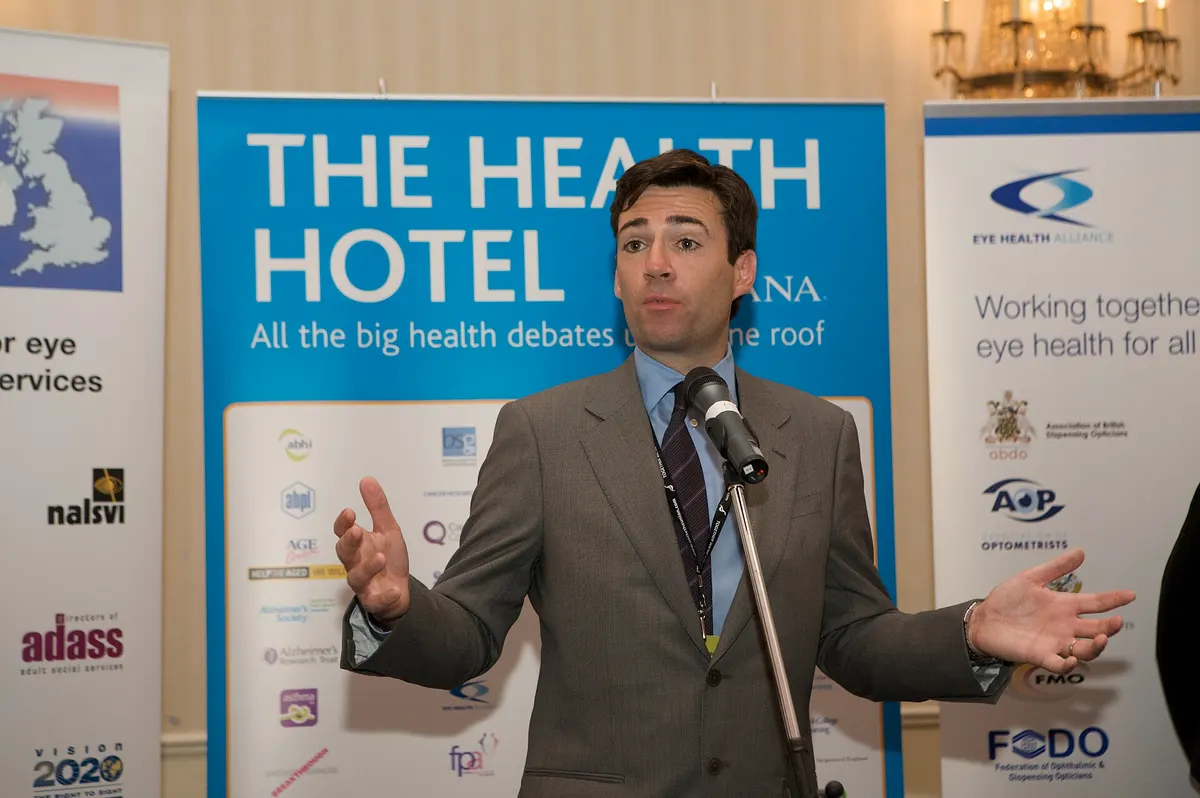
Prime Minister Andy Burnham has reopened the debate over the UK's relationship with the European Union by securing a series of agreements in Brussels. The development has brought the divisive issue of Europe back into parliament, pleasing original Brexit supporters who oppose closer ties while testing the waters for a pro-European shift.
Yet the path forward remains complicated. The agreements struck in Brussels must still be ratified by EU member states, who have made it clear that final approval depends on resolving a separate dispute over tuition fees for European students at British universities.
What happened
Three separate deals were announced following a summit in Brussels: one concerning food and drink, another on emissions trading, and a third focused on youth mobility. The youth mobility agreement is designed to allow British students to live, work, study, and travel in the EU, while offering reciprocal access for EU students in Britain. Alongside these deals, both Burnham and Foreign Secretary Ed Miliband stated that all options remain on the table regarding Britain's future relationship with the bloc. Burnham has indicated a determination to eventually take the UK back into the EU, though progress is not expected before the next general election. However, the negotiation process faces strict limits from the EU side. Member states including France and Italy issued a statement clarifying that the current deals will not be implemented unless Britain settles the European student tuition fee dispute.
Why it matters
The revived debate touches on fundamental questions about Britain's economy, trade, and international alignment nearly a decade after the 2016 Brexit referendum. The food and drink sector, in particular, is navigating major shifts as it braces for new sanitary and phytosanitary trading rules tied to the European arrangements. Critics and industry figures have expressed concern that further integration could bring additional red tape and inflation rather than relief, while proponents see it as a vital economic reset. Furthermore, any government attempting a closer relationship with Brussels now faces a radically transformed political landscape within Europe, which has grown increasingly right-wing and protectionist since the UK's departure.
The background
Ten years after the original Brexit vote, political dynamics surrounding European integration have shifted significantly. Andy Burnham's rhetoric has evolved notably since his time as mayor of Manchester, where he previously argued that the UK should focus on the present rather than rejoining the EU. Since entering Downing Street, however, his posture has grown markedly more pro-European, culminating in his party conference declaration that Brexit has caused more harm than good. This approach builds incrementally on earlier strategies while pushing the political boundaries further than previous Labour leadership stances.
What happens next
Arguments over whether the UK should pursue deeper integration or eventually rejoin the EU are set to reignite in parliament as Burnham briefs MPs on the Brussels agreements. The core agreements remain unratified by EU member states, and full implementation is stalled pending negotiations over European student tuition fees. Experts suggest that incremental negotiations have largely reached their limits, leaving the UK at risk of being viewed as a cherrypicking state if it does not formalise a broader strategy.
Key takeaways
- Prime Minister Andy Burnham has reopened the UK's relationship with the European Union through a reset that includes new agreements on food, emissions, and youth mobility.
- EU member states have warned that the newly agreed deals will not be implemented until Britain resolves a dispute concerning university tuition fees for European students.
- The political debate has reignited tensions between Europhiles and original Brexit supporters as parliament prepares to discuss future integration.
- Europe's political landscape has transformed dramatically since 2016, presenting new economic and defense challenges for any British government seeking closer ties.